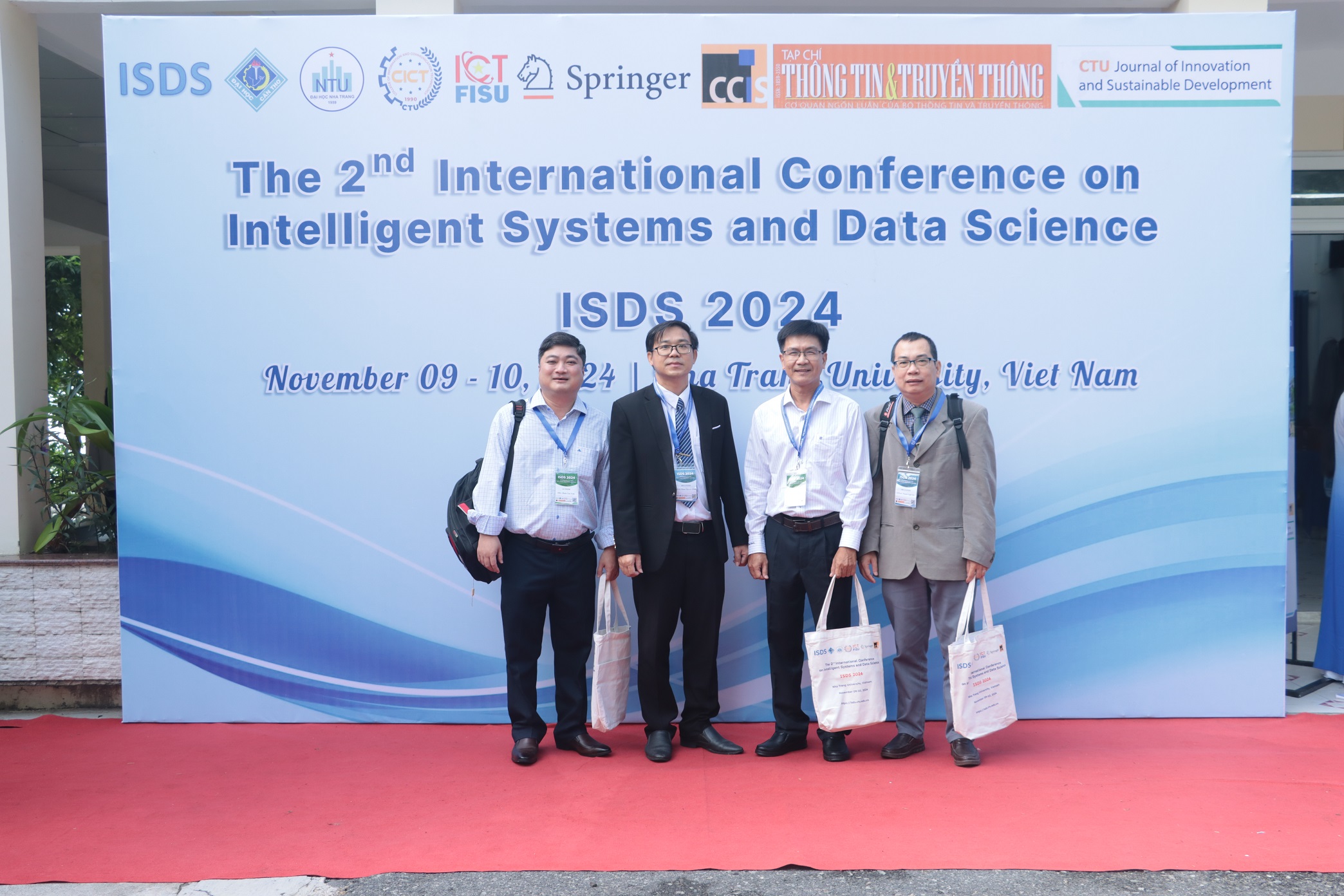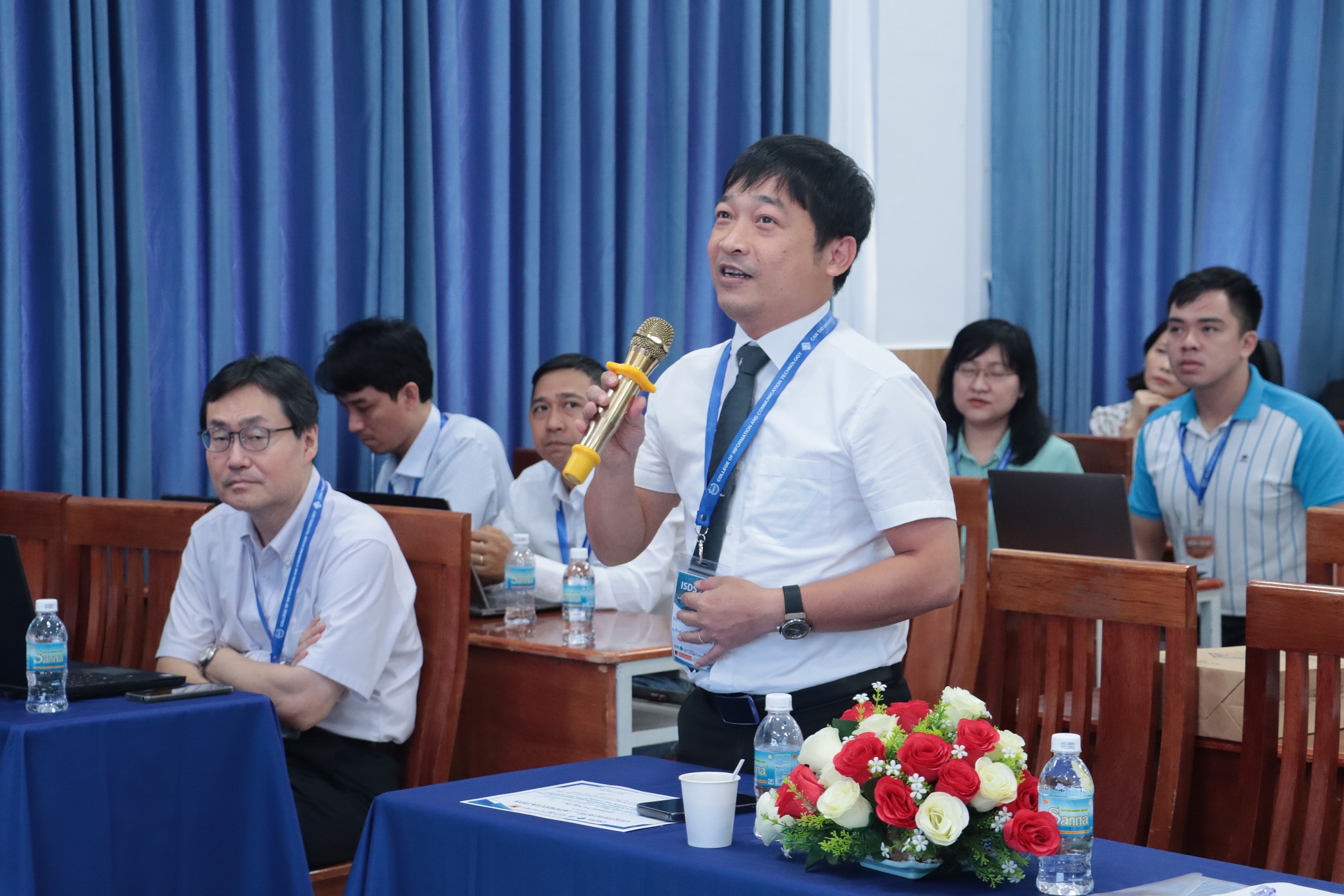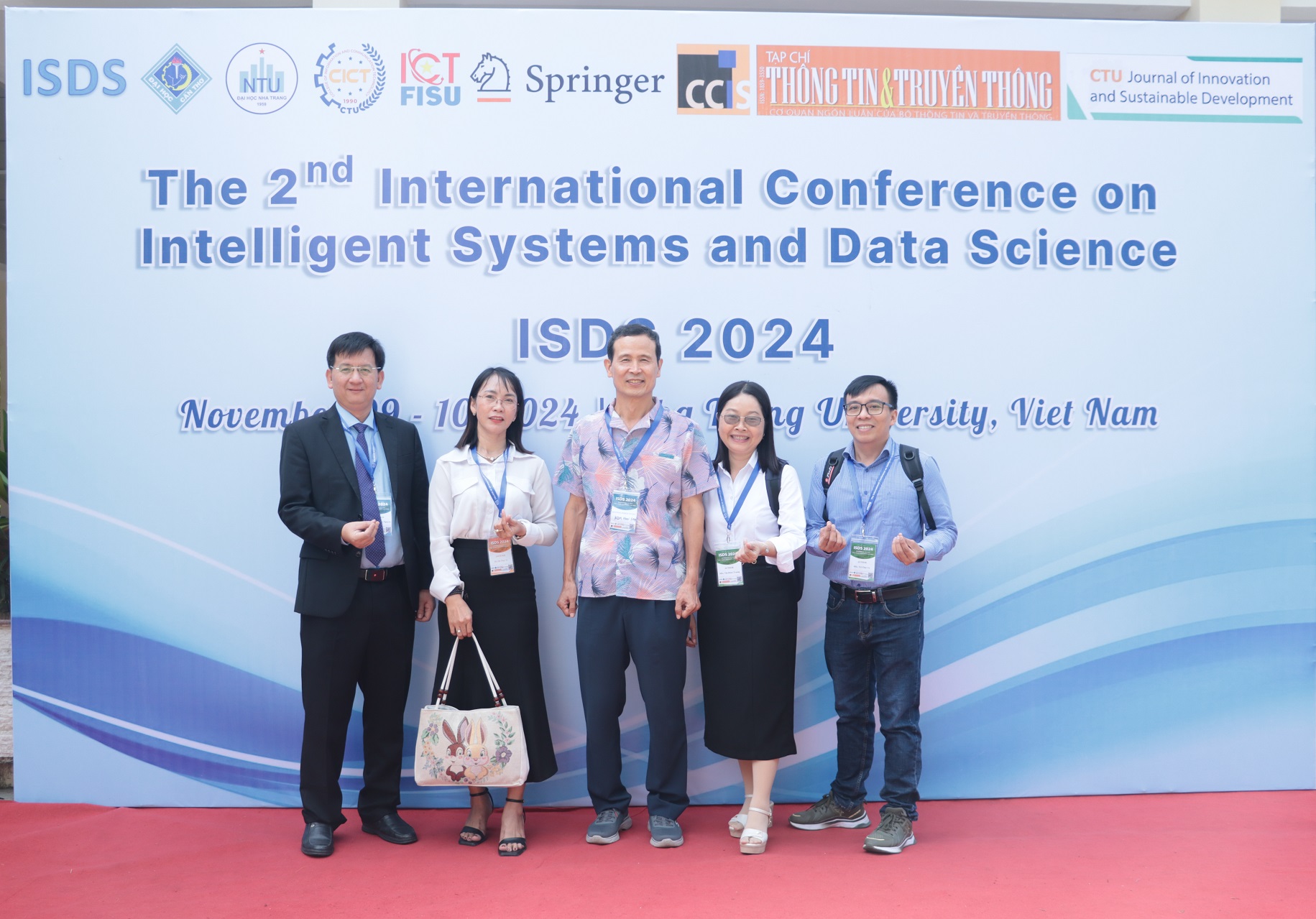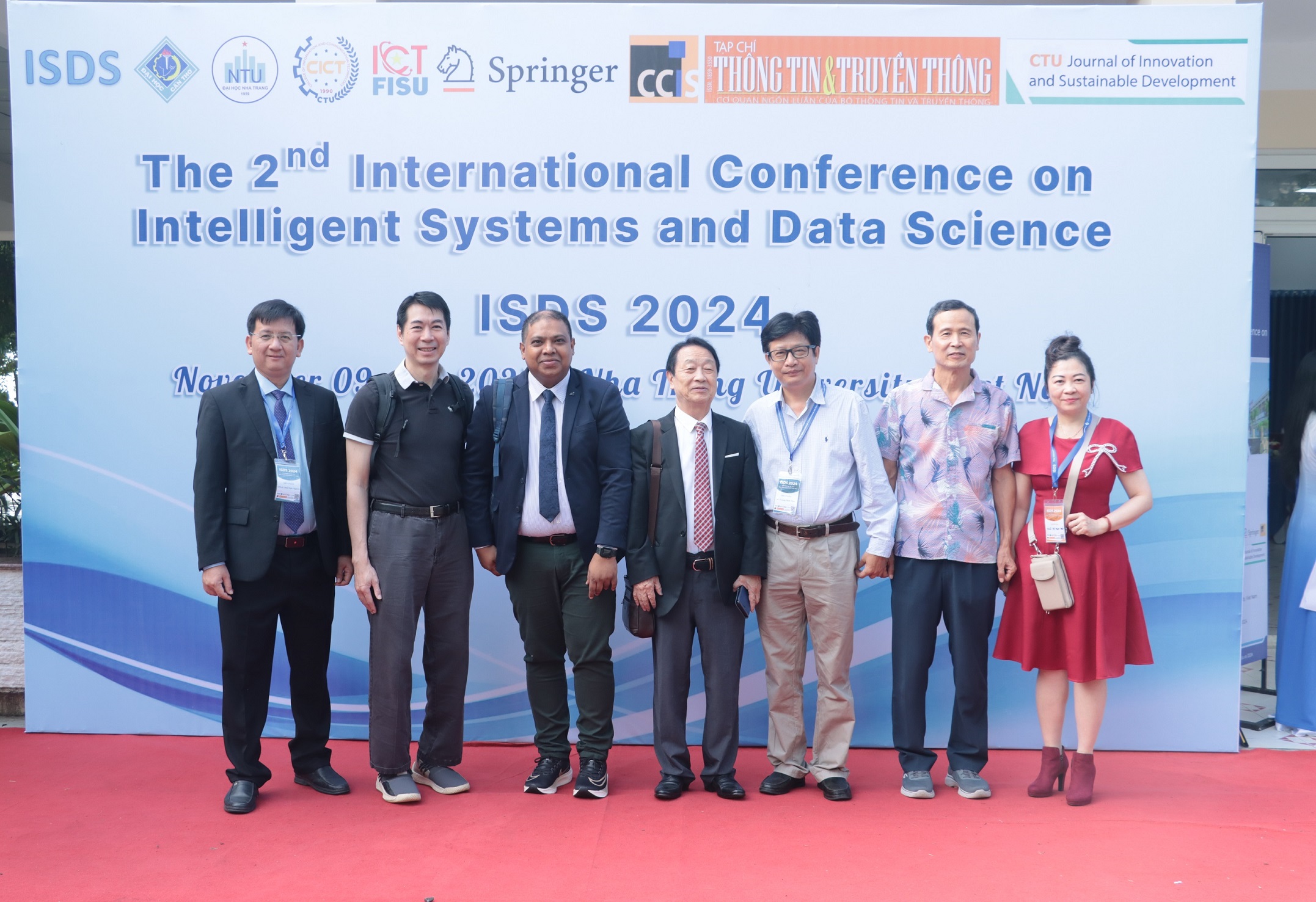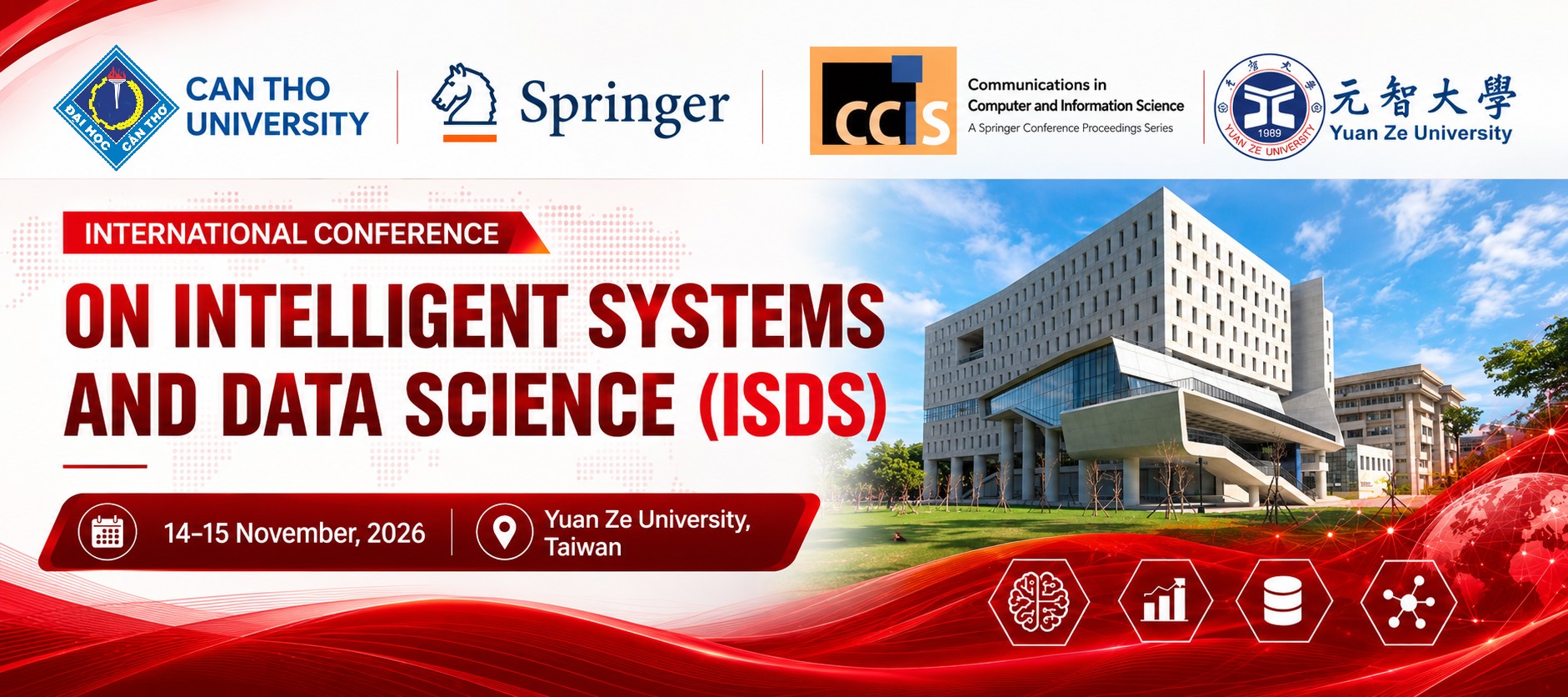

The 4th International Conference on Intelligent Systems and Data Science (ISDS 2026)

Yuan Ze University, Taiwan, 14-15 November, 2026

Call for papers

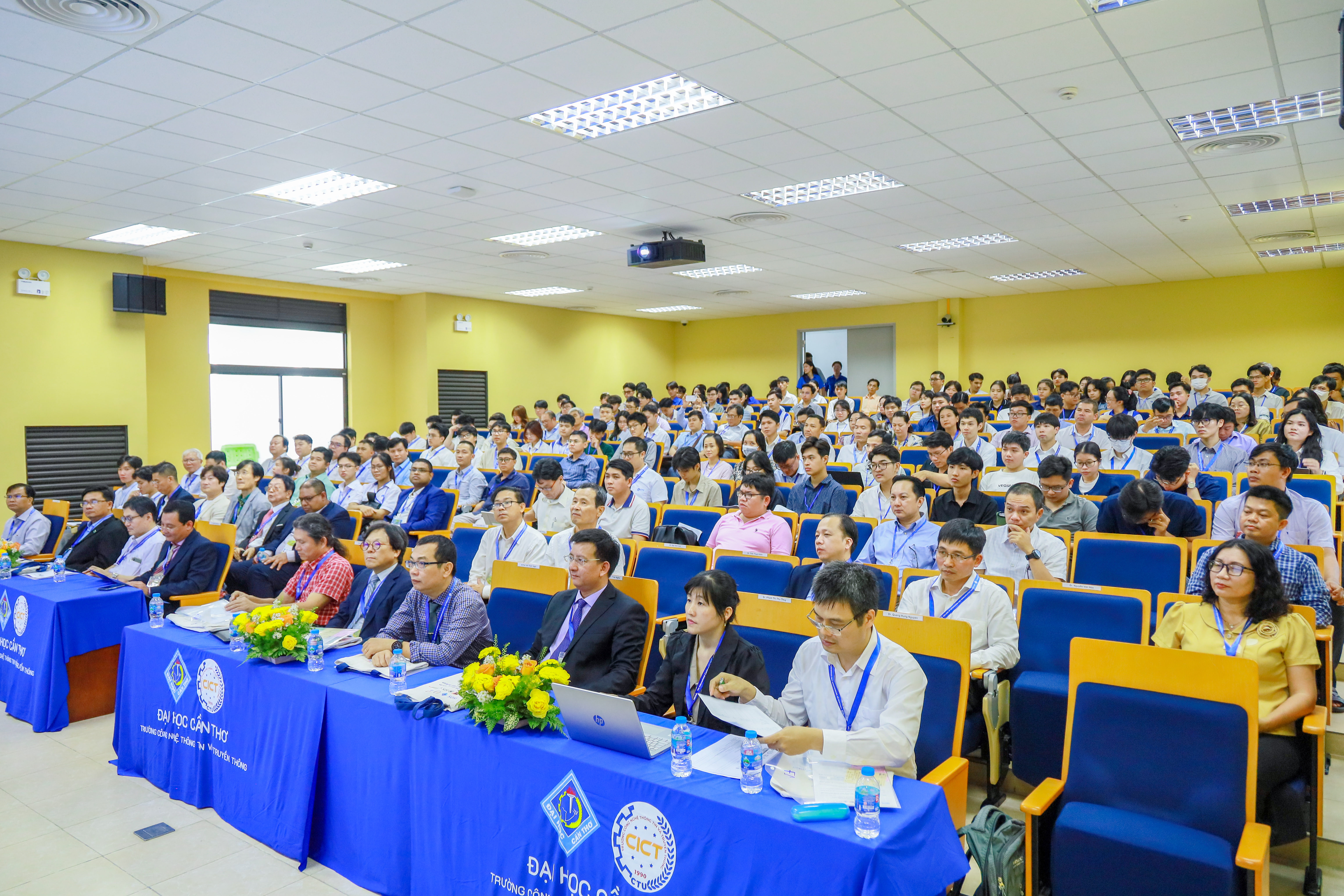
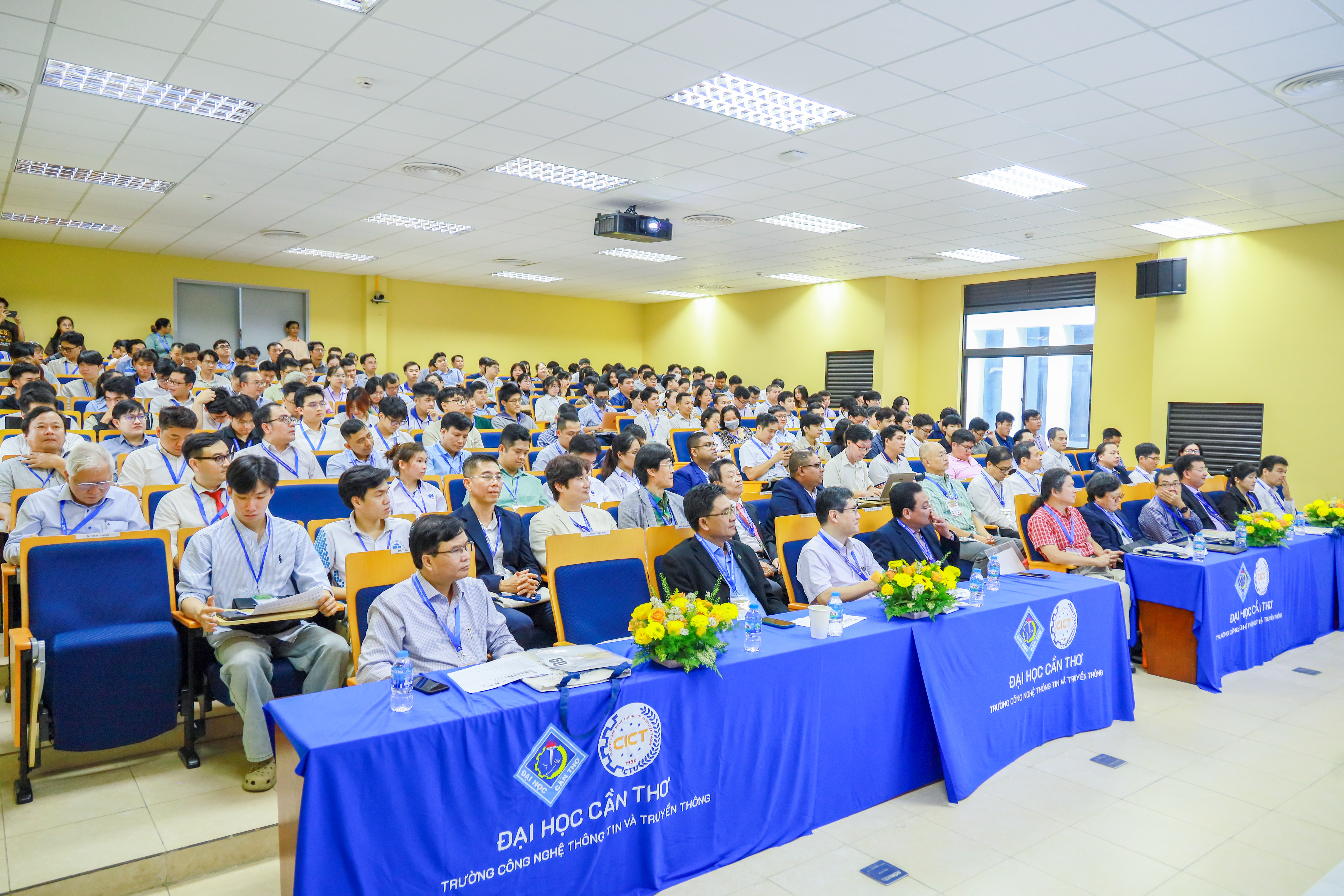
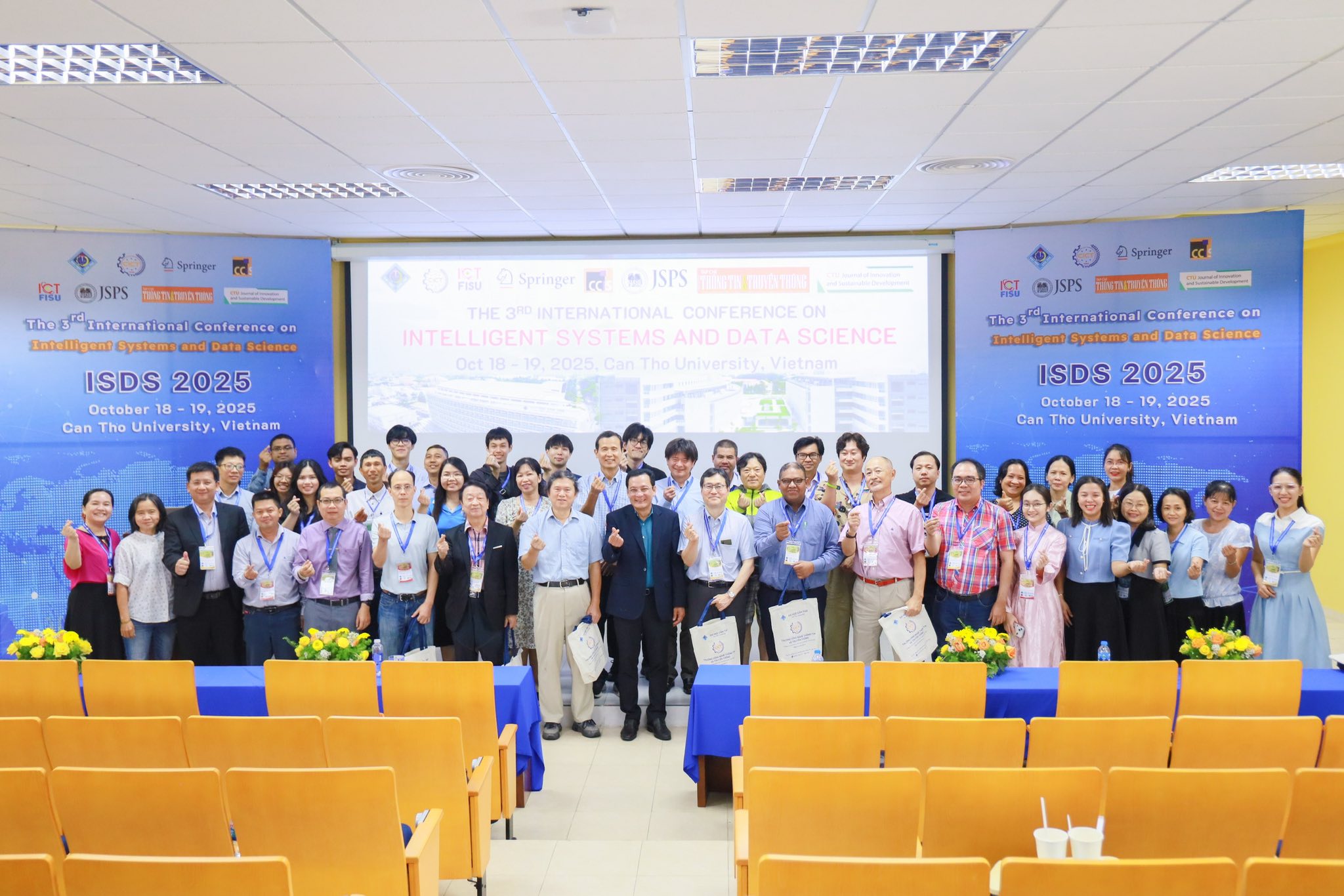
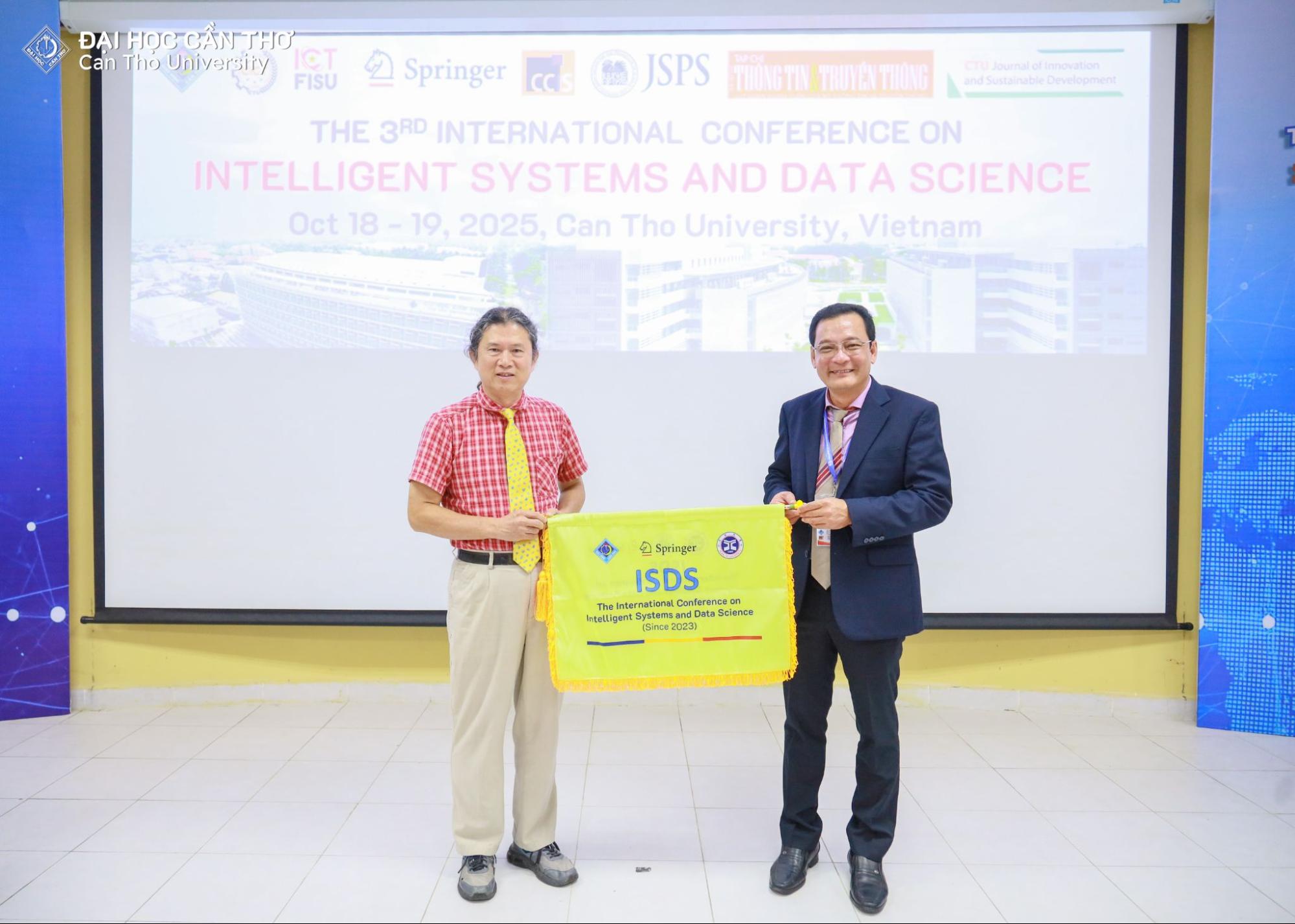
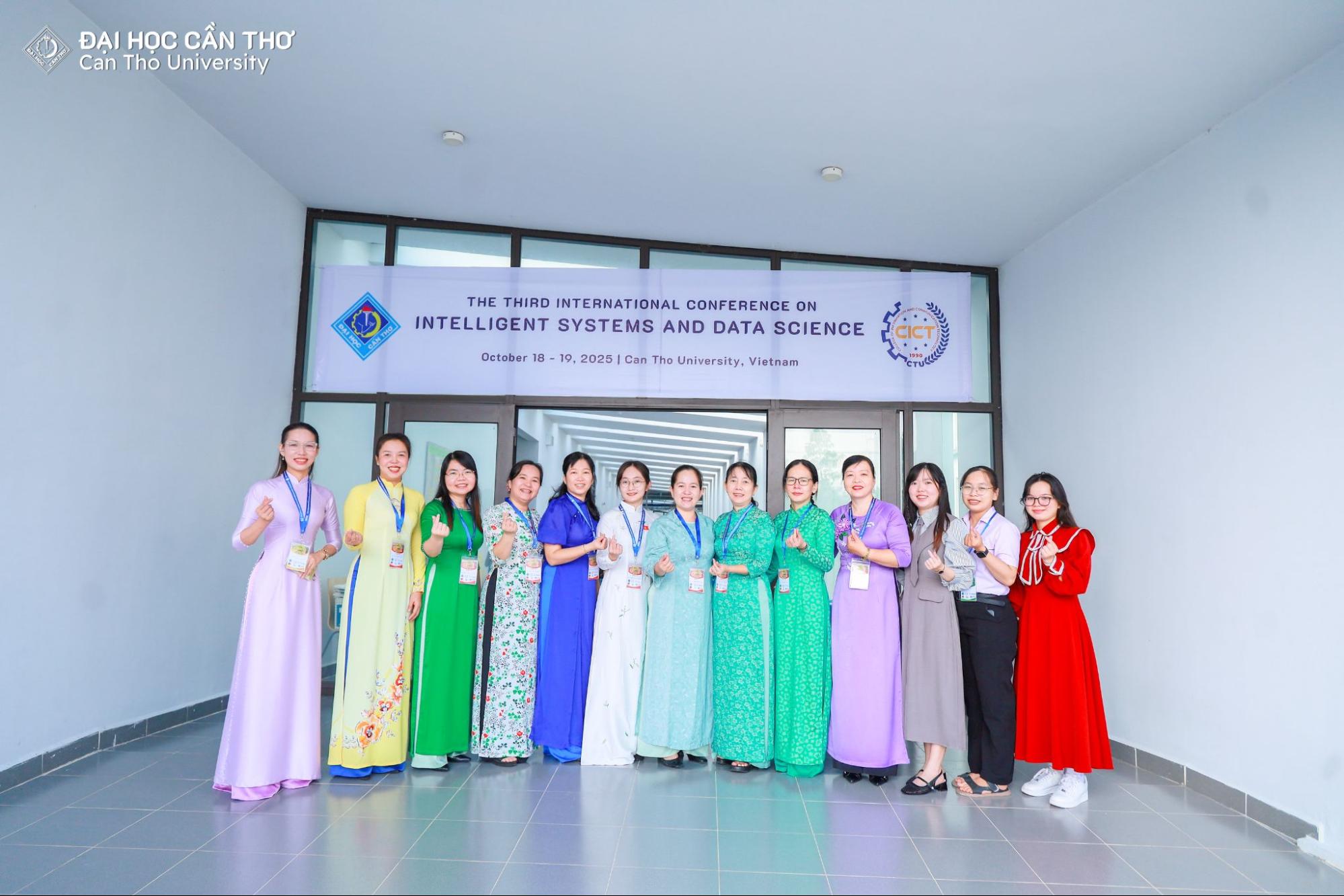
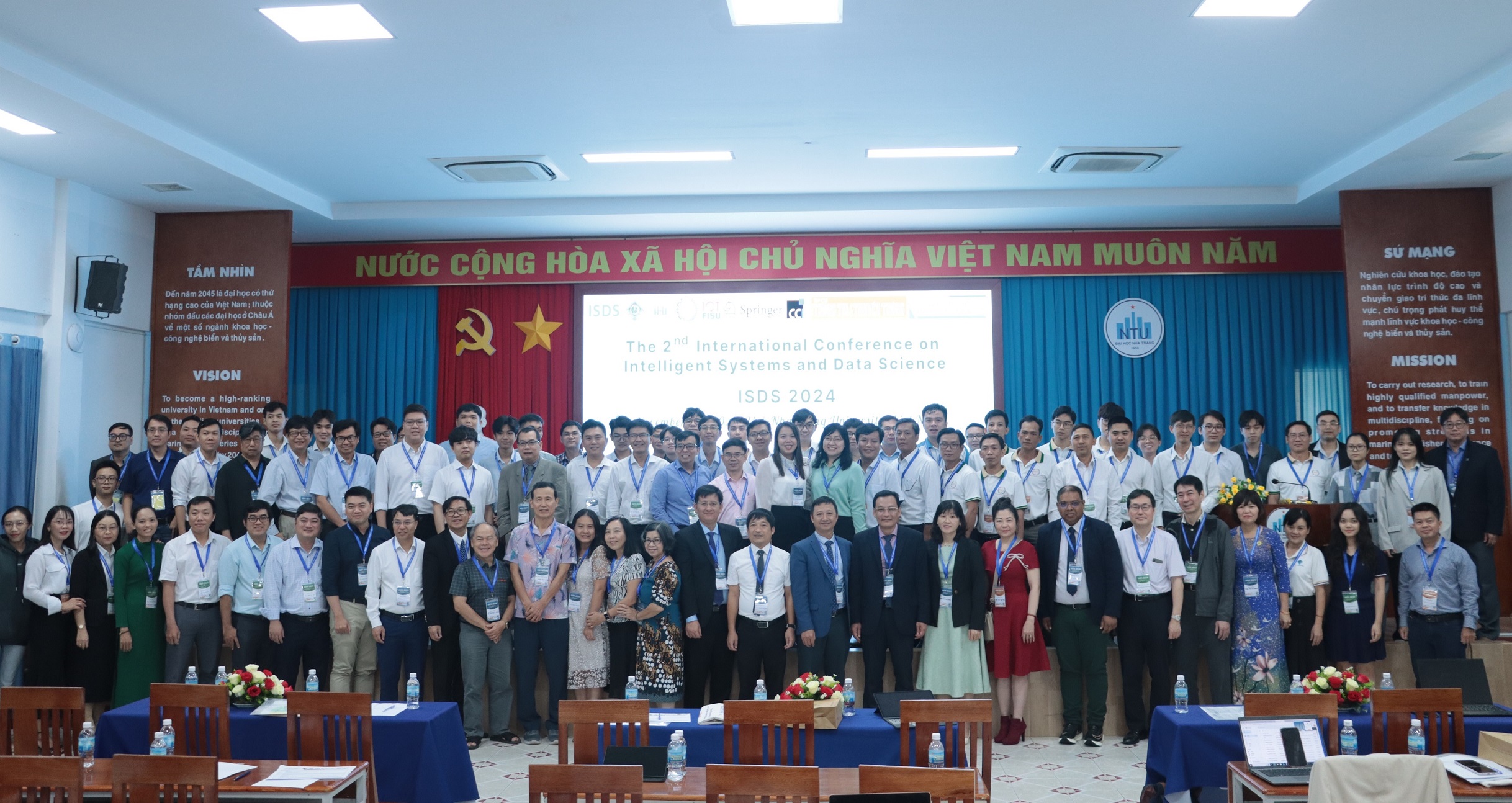
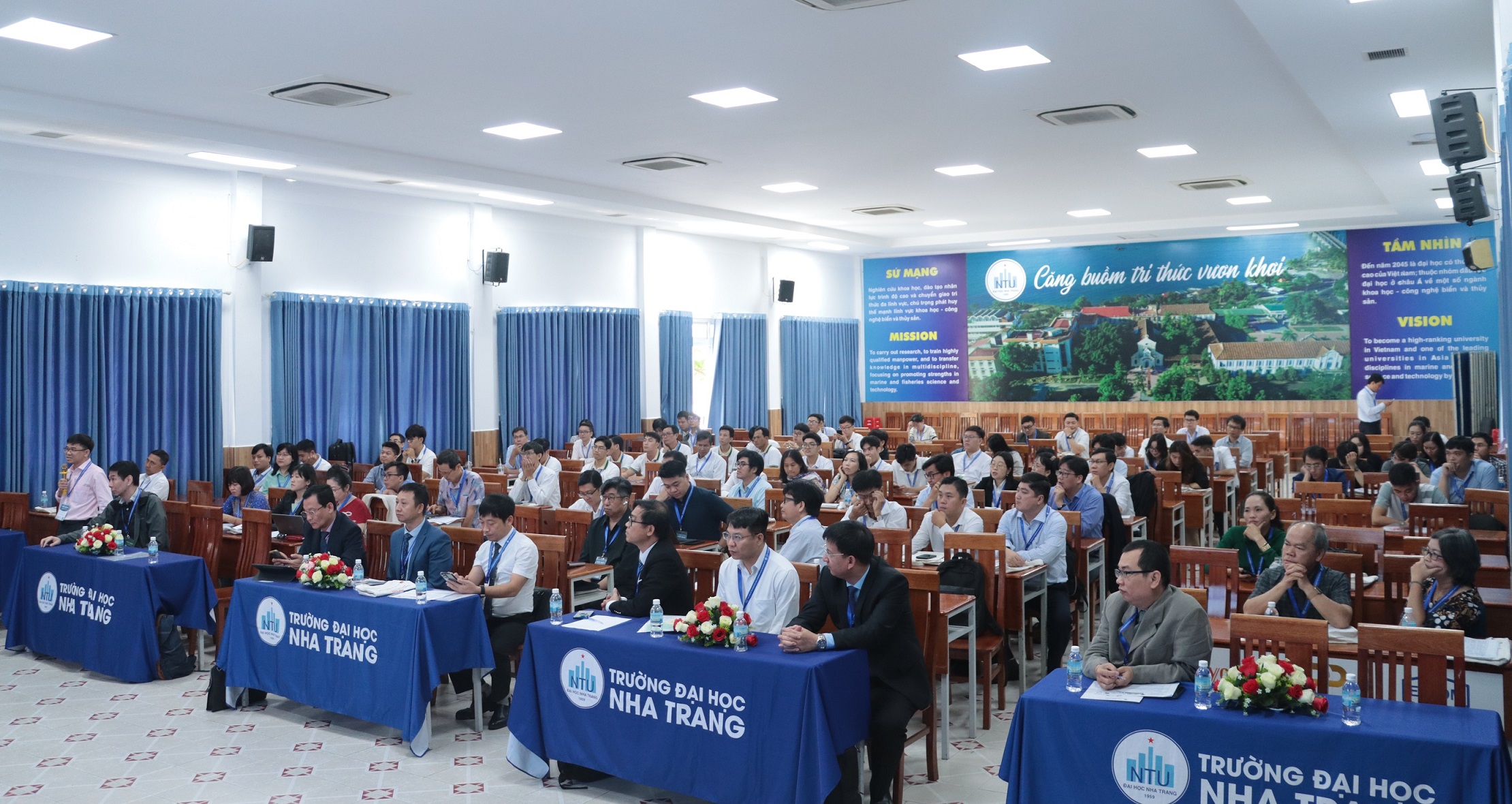
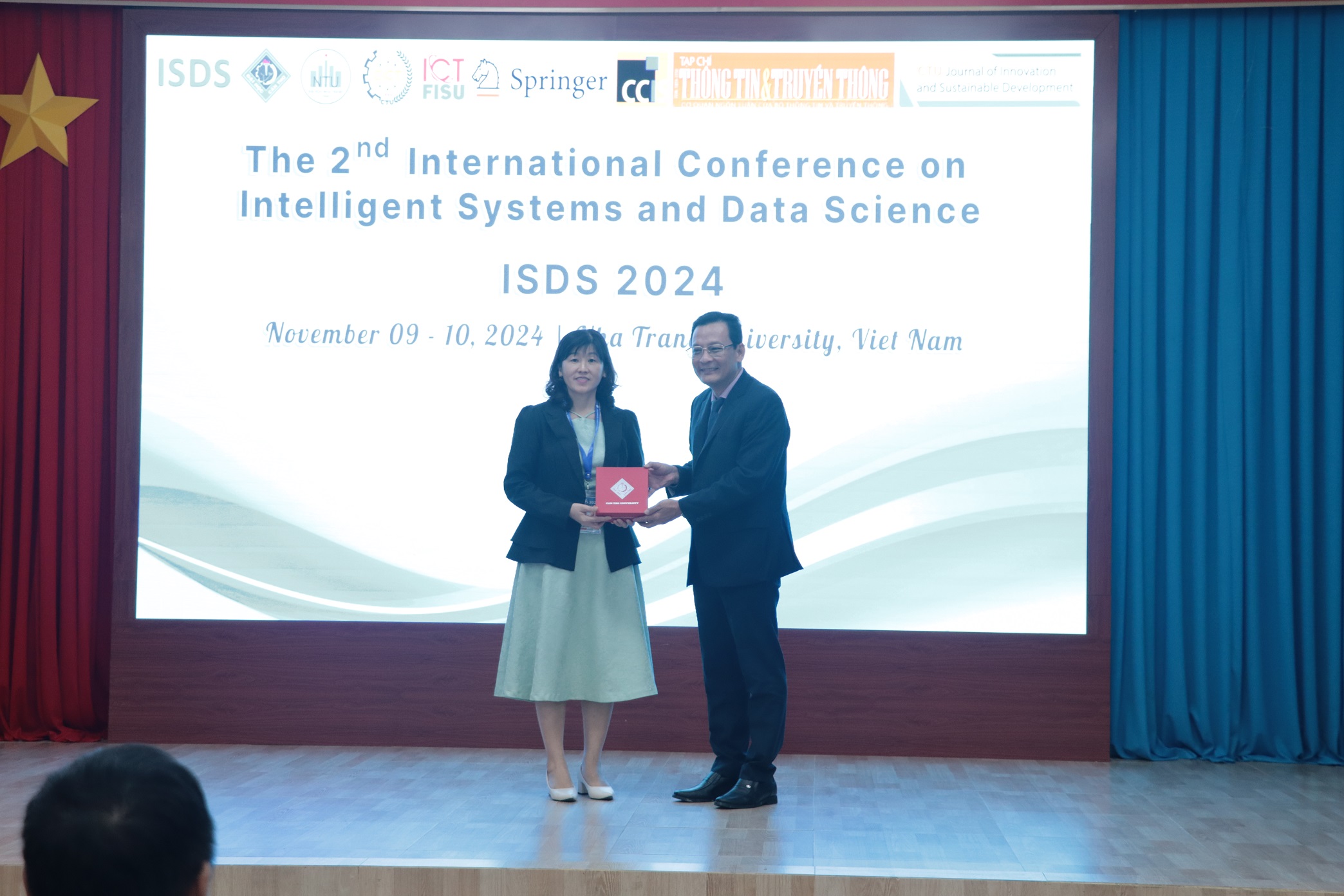
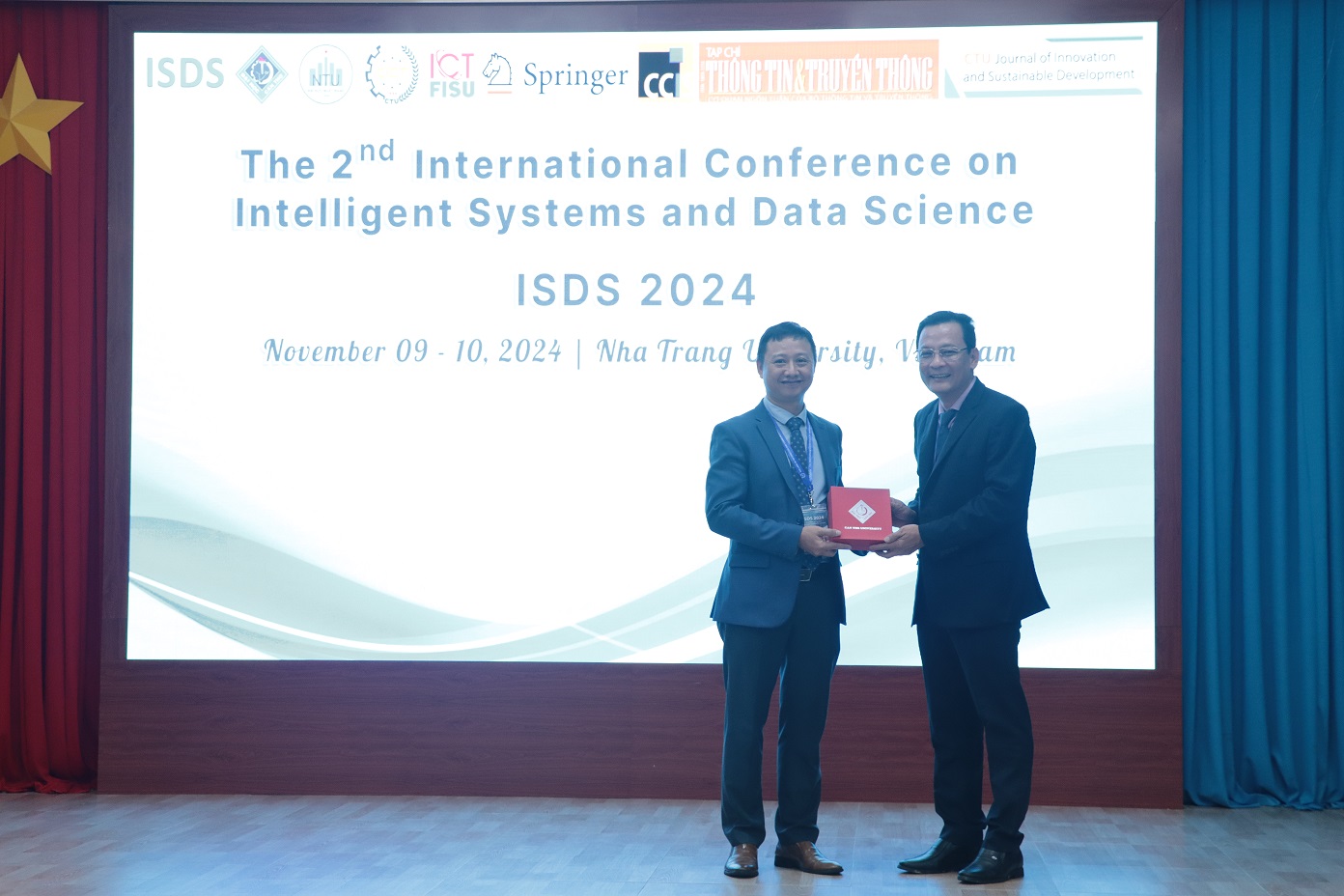
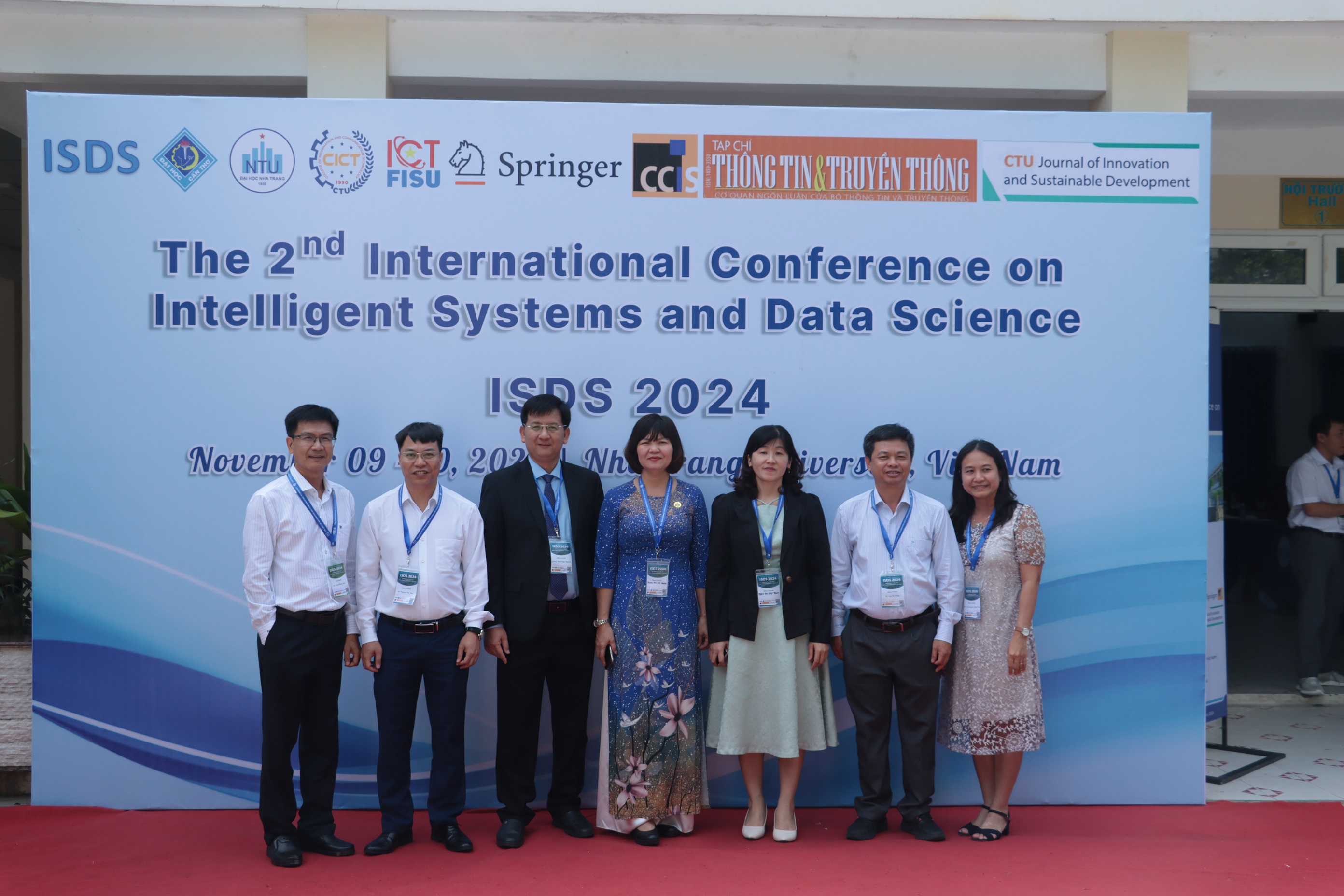
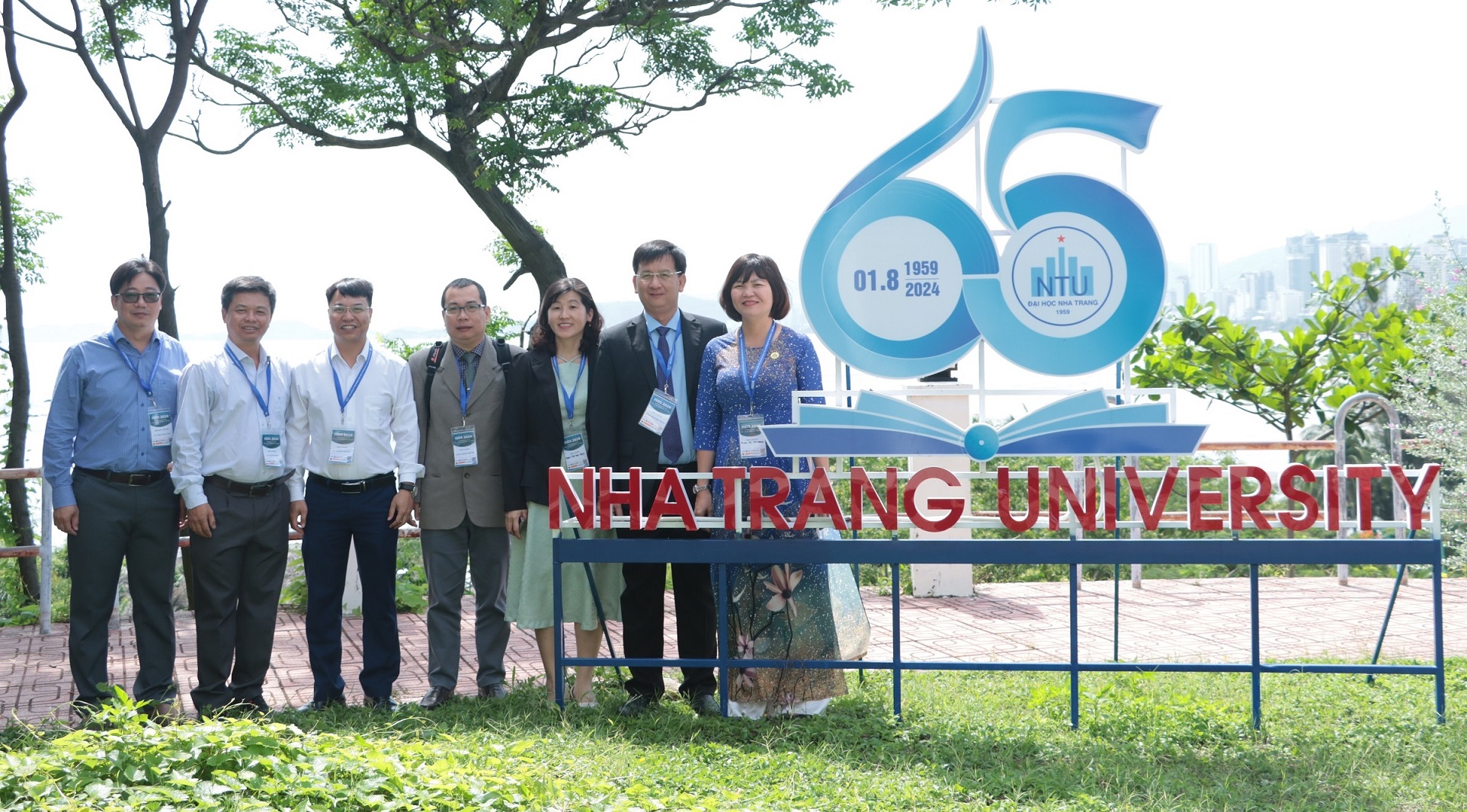
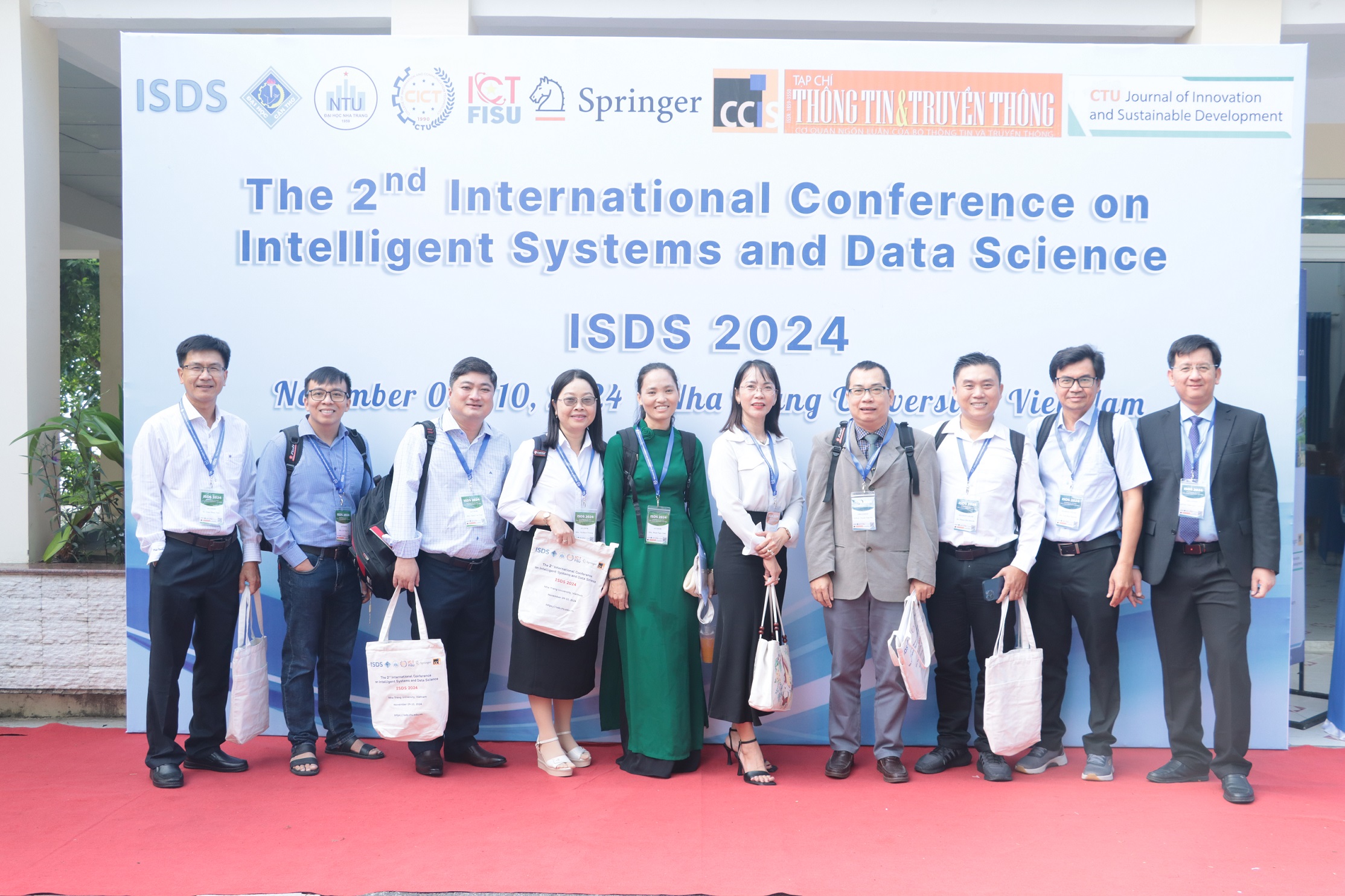
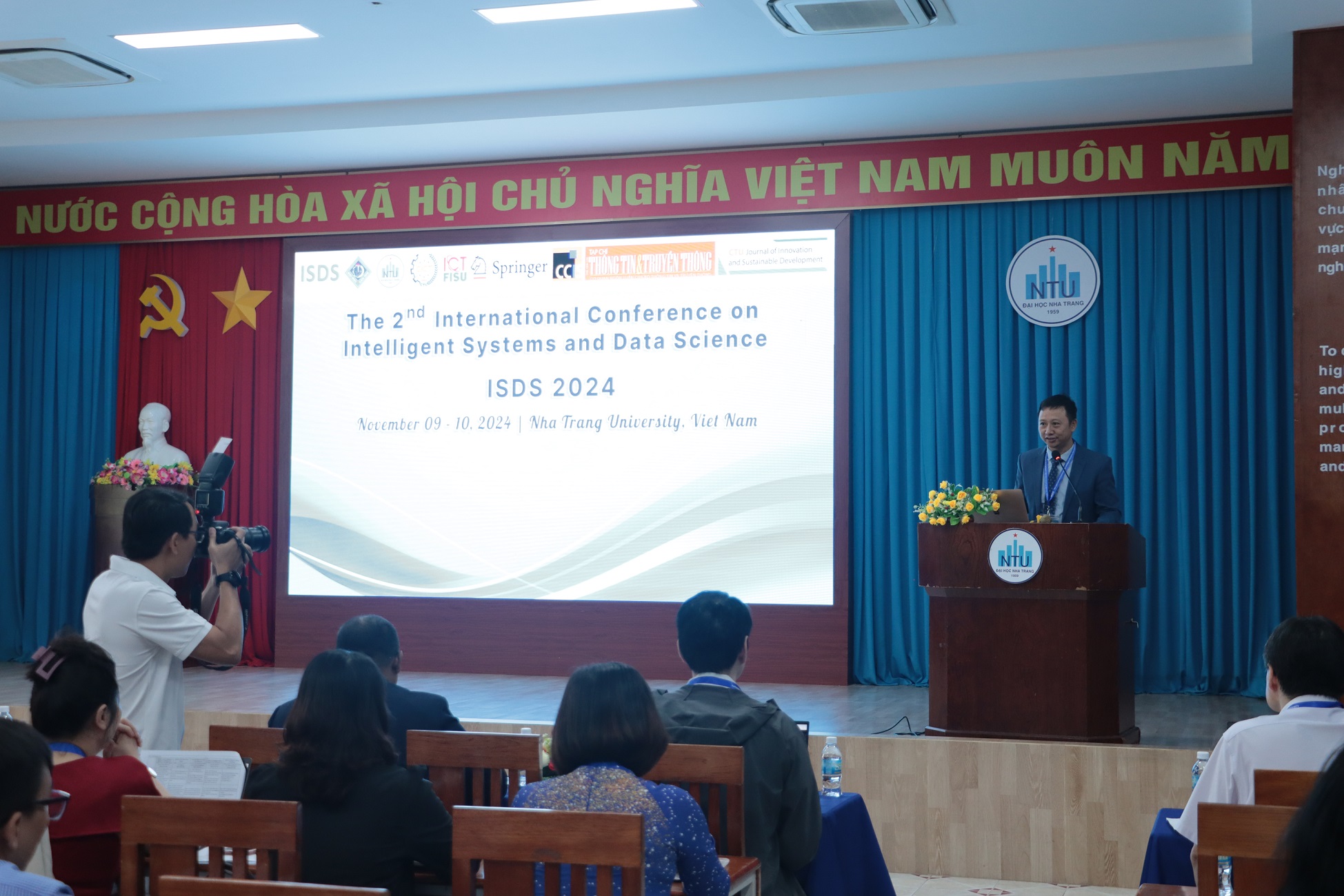
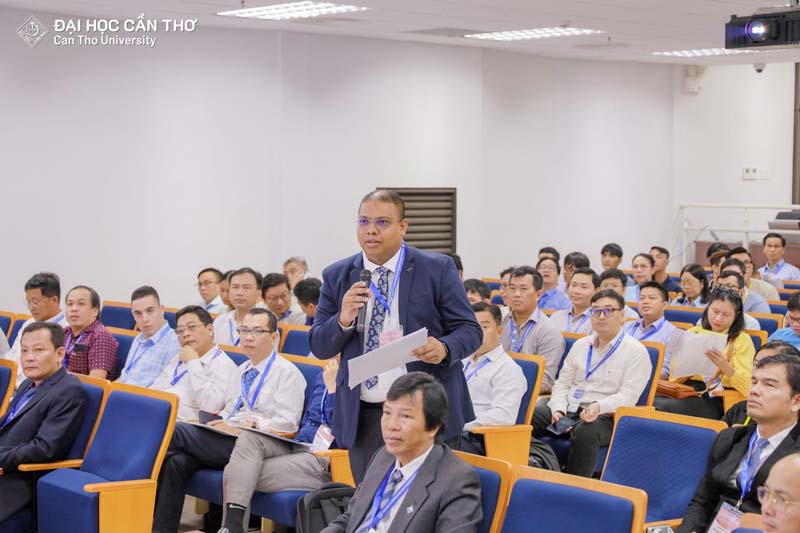
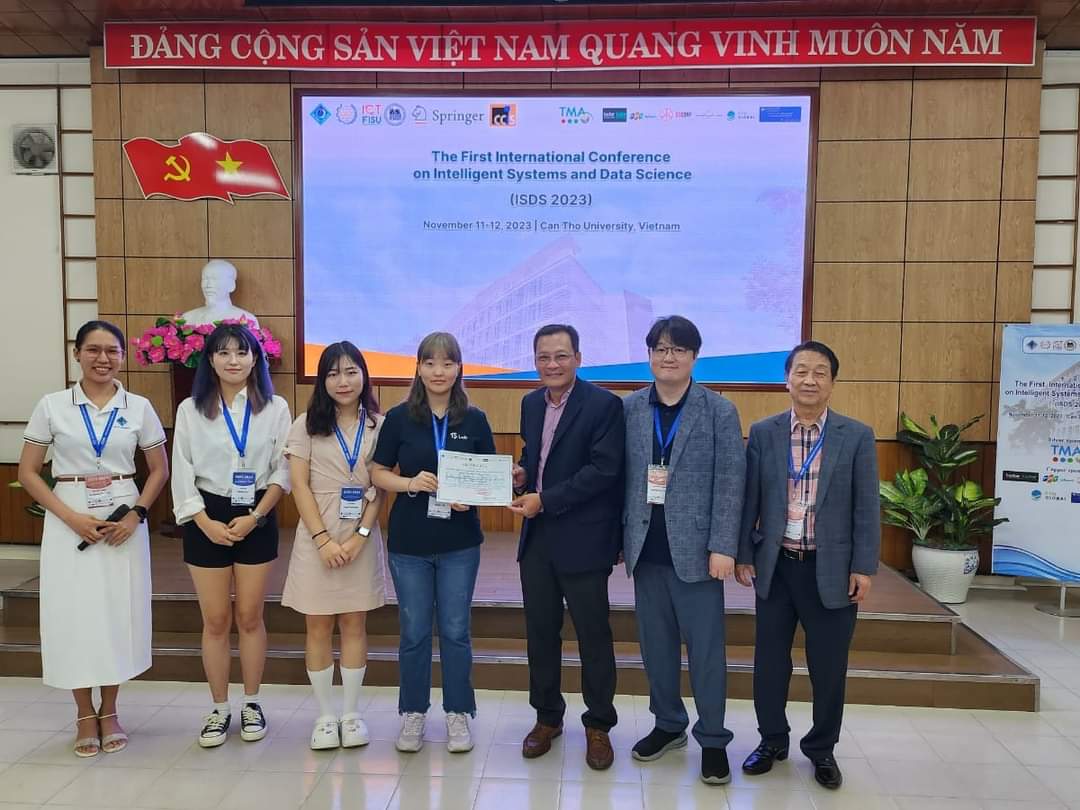
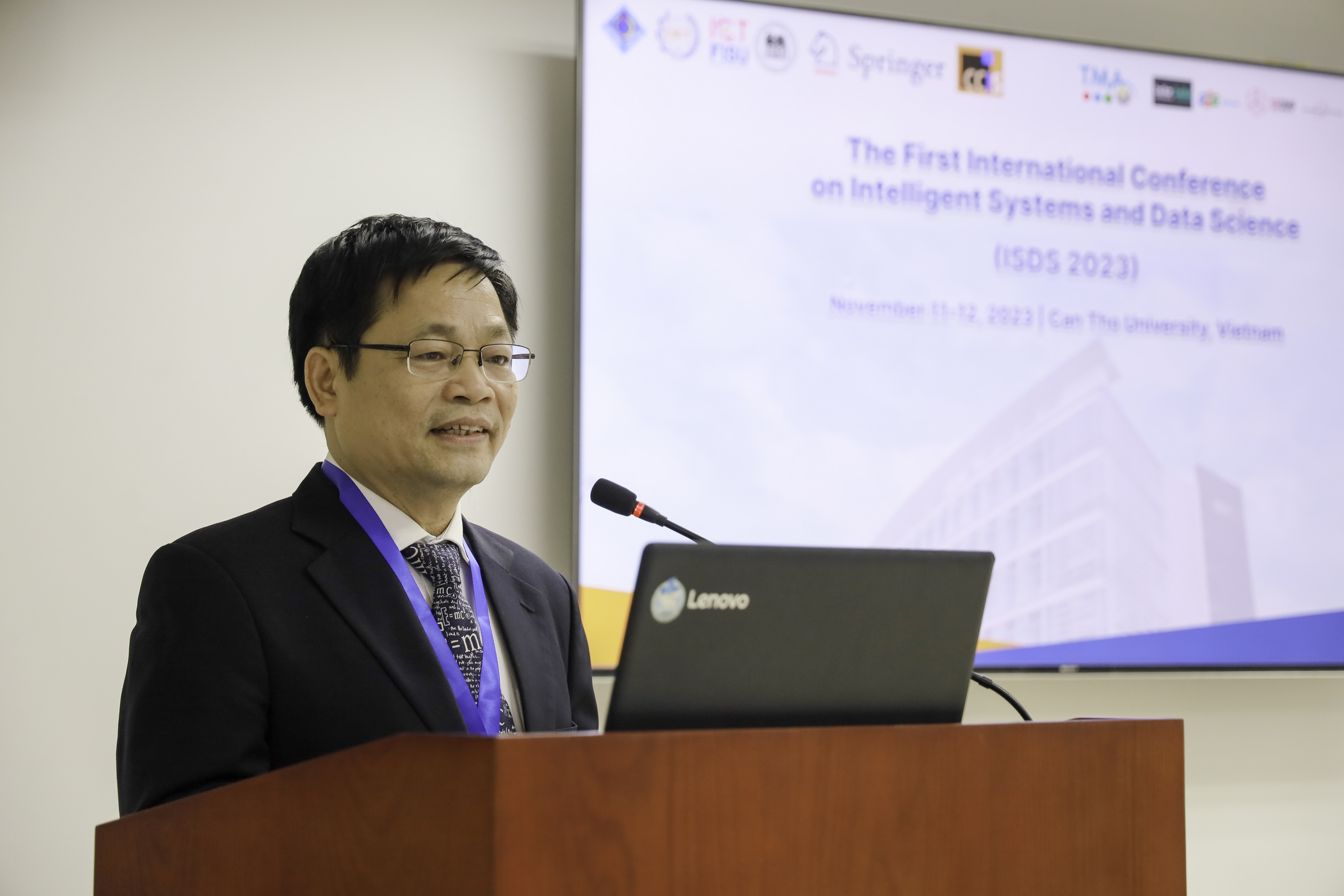
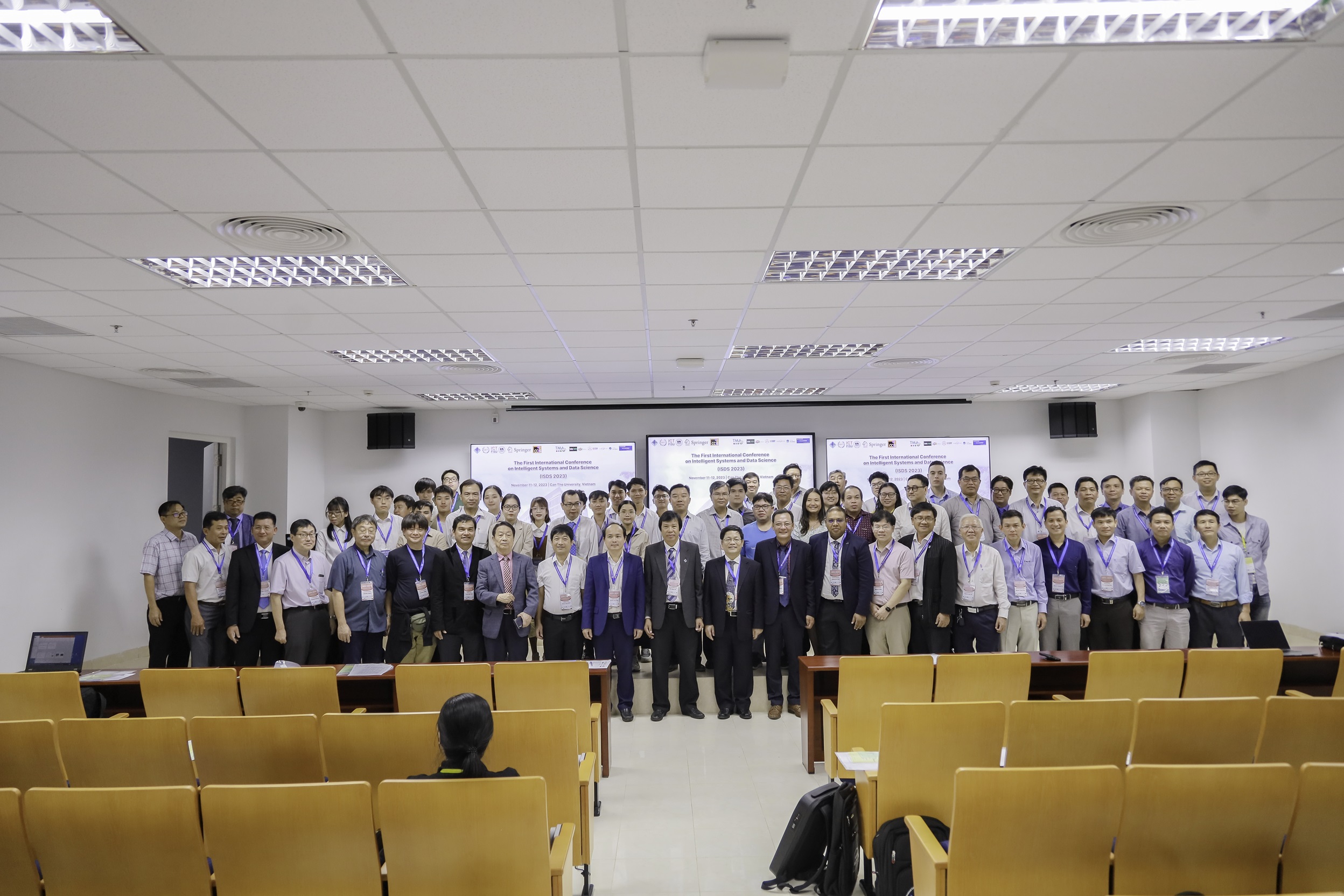
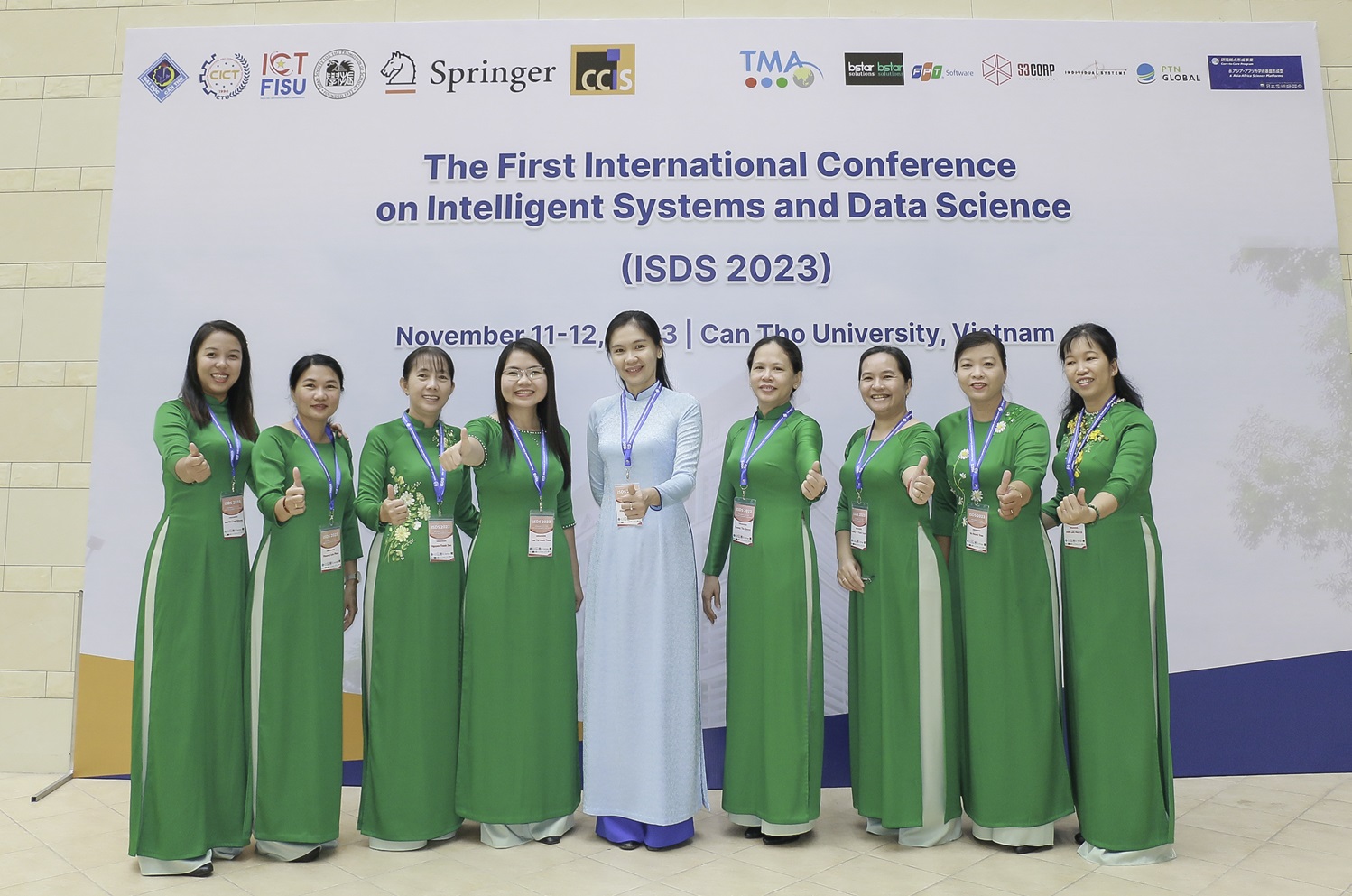
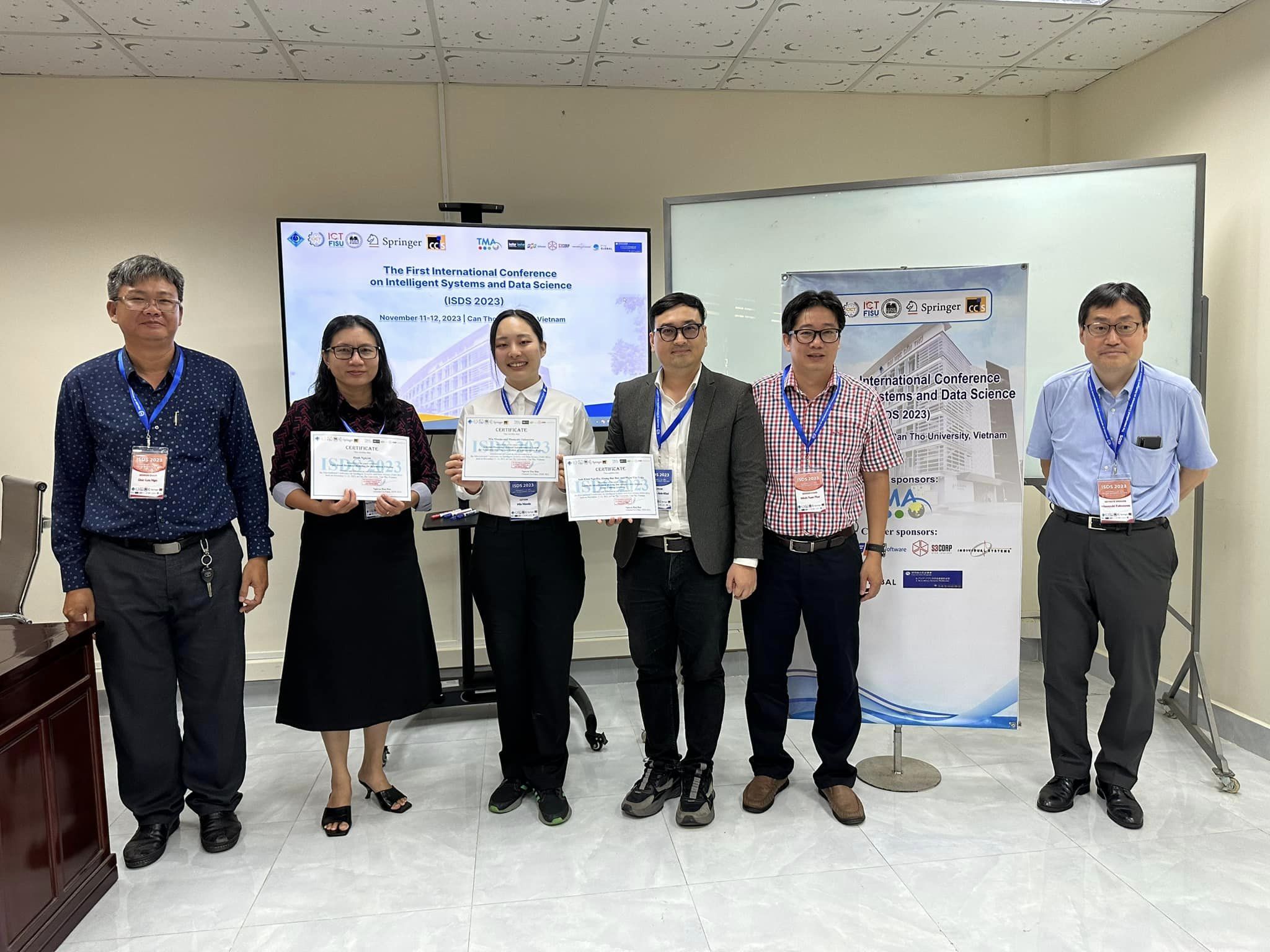
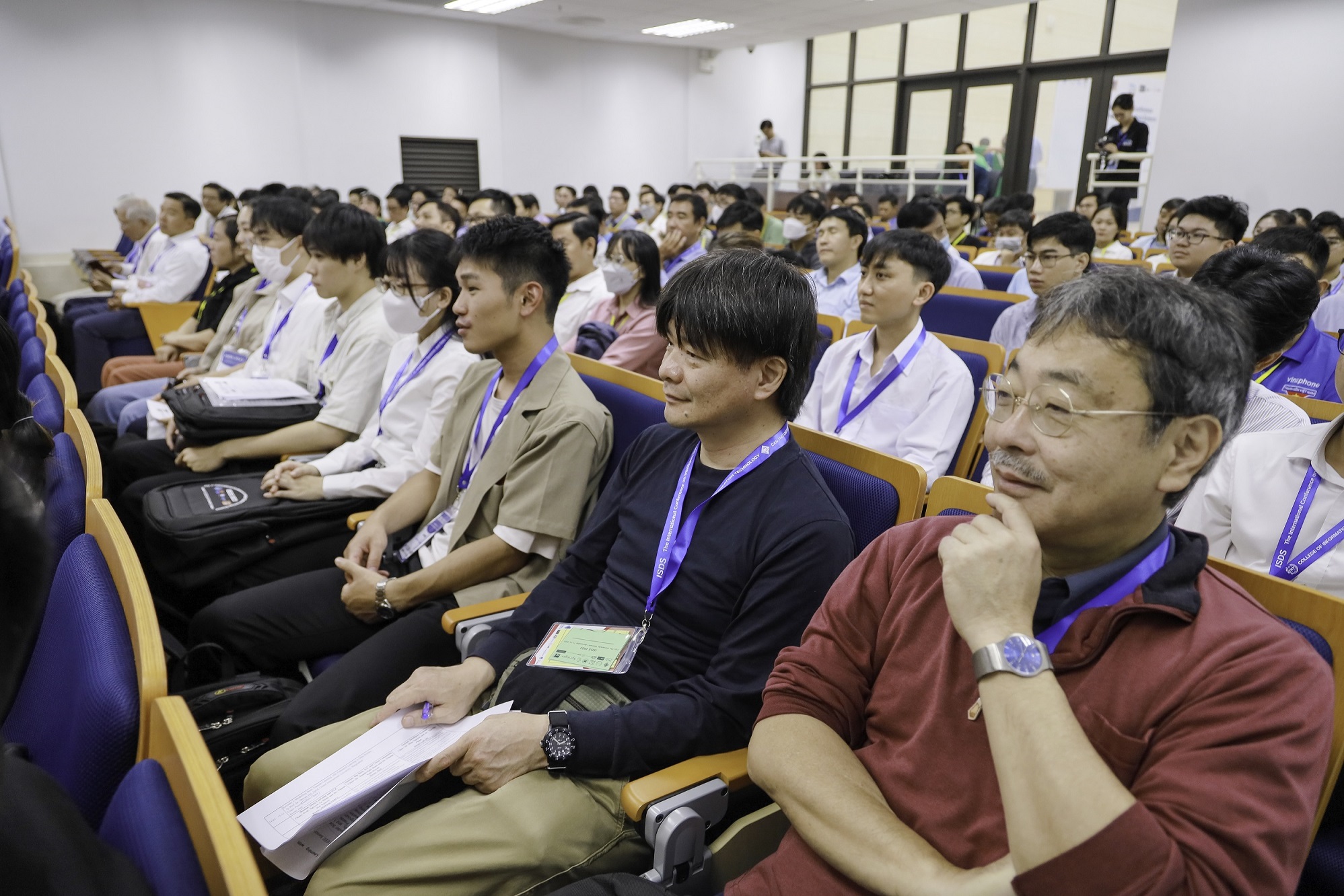
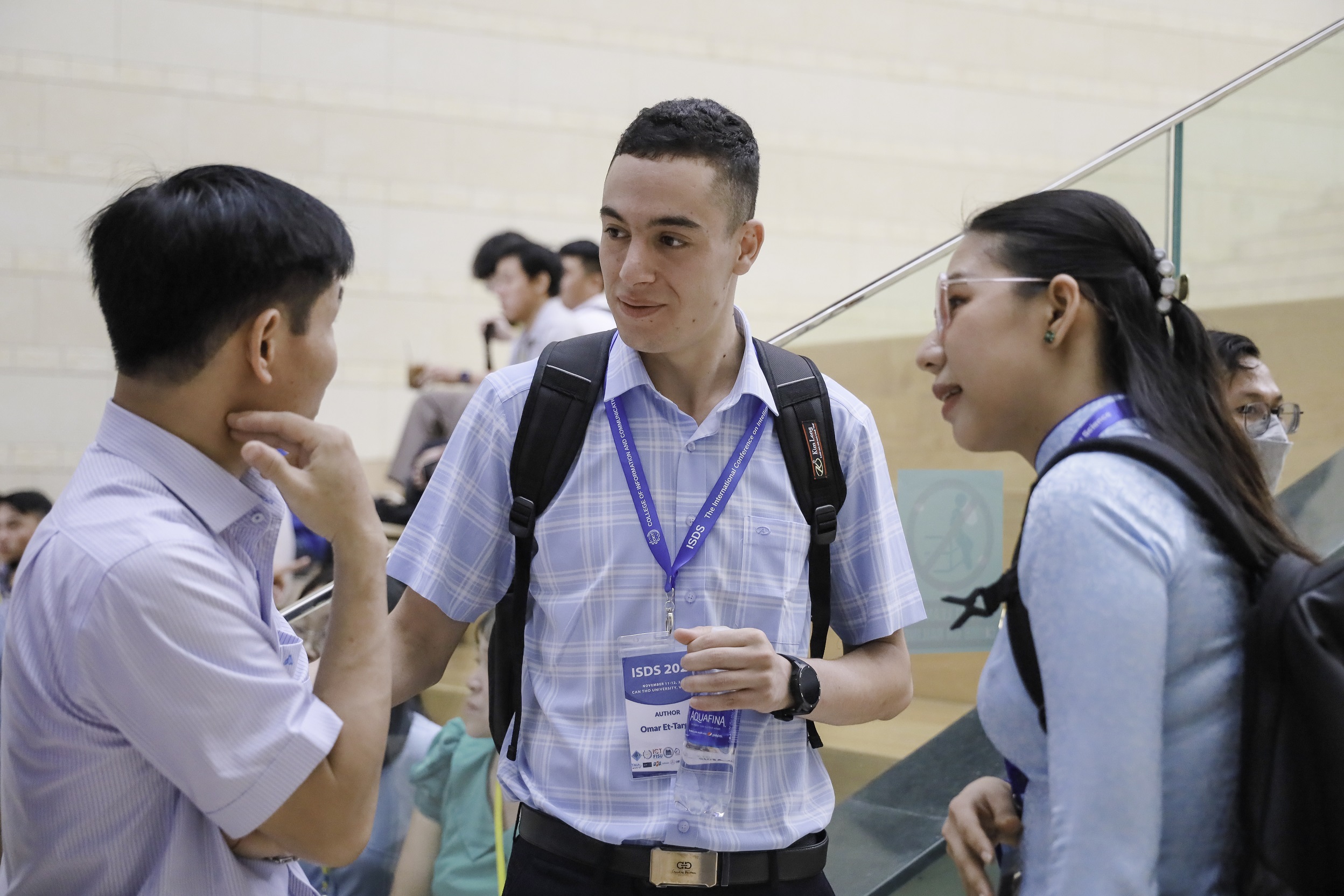
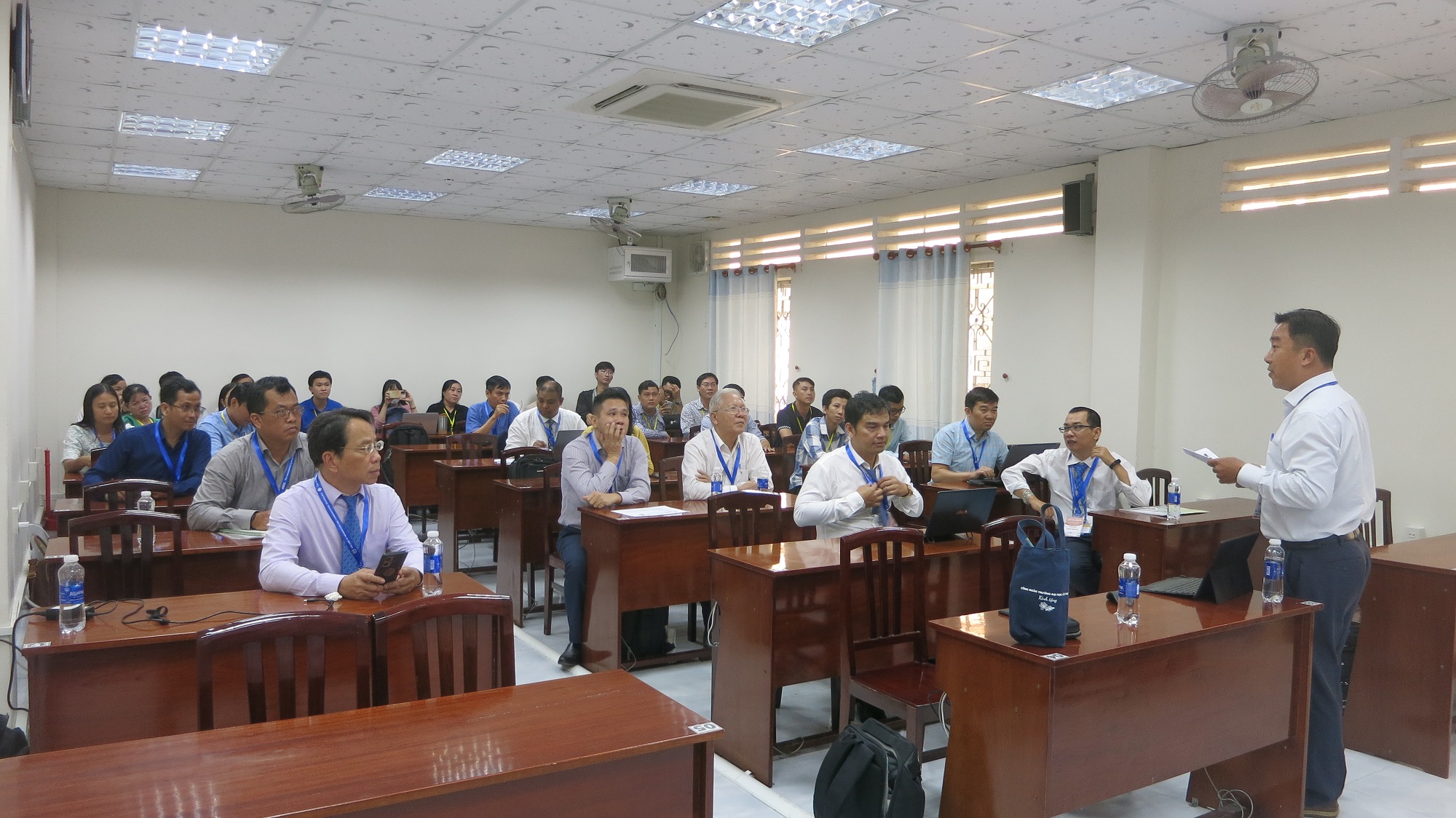
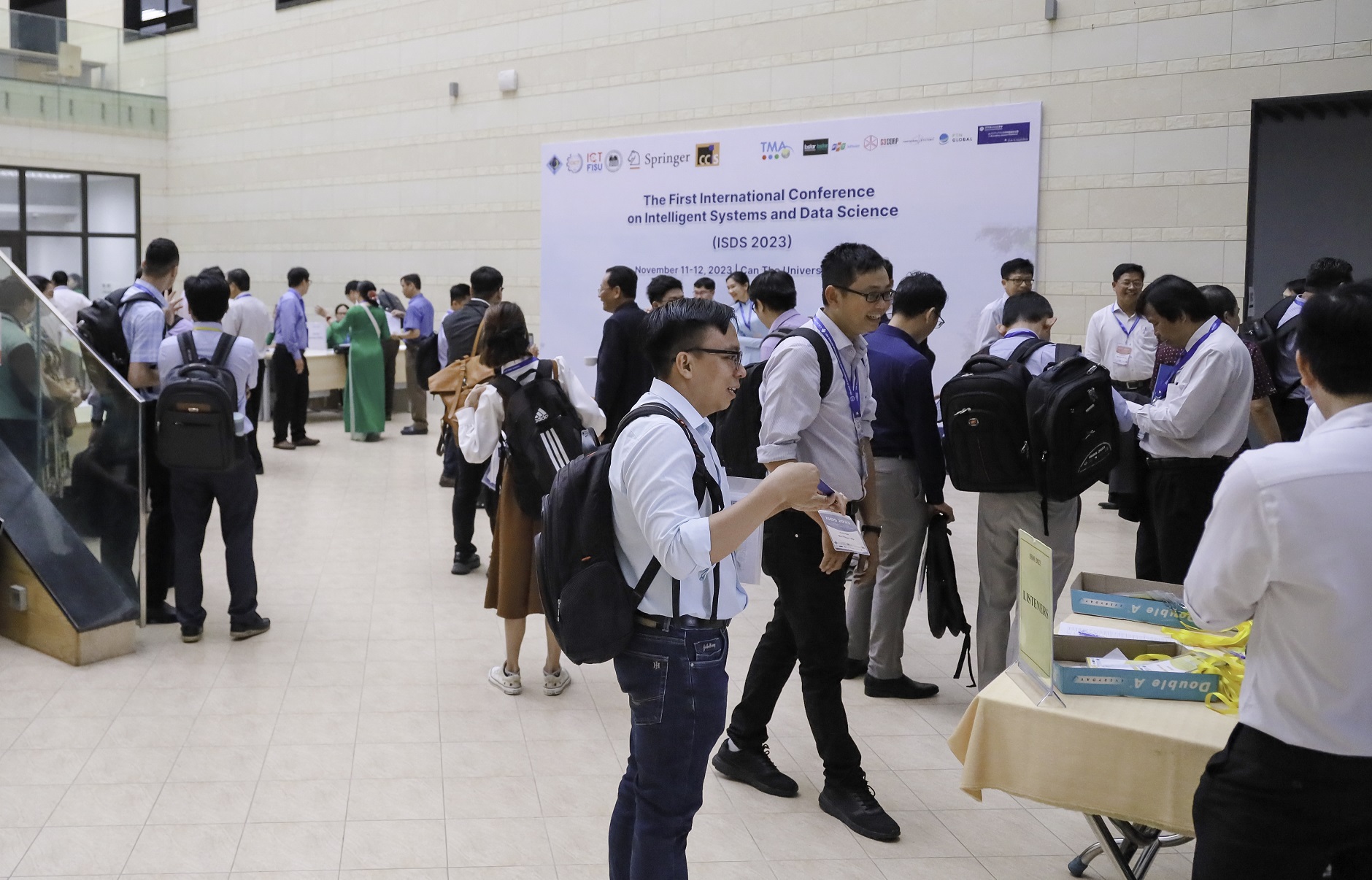
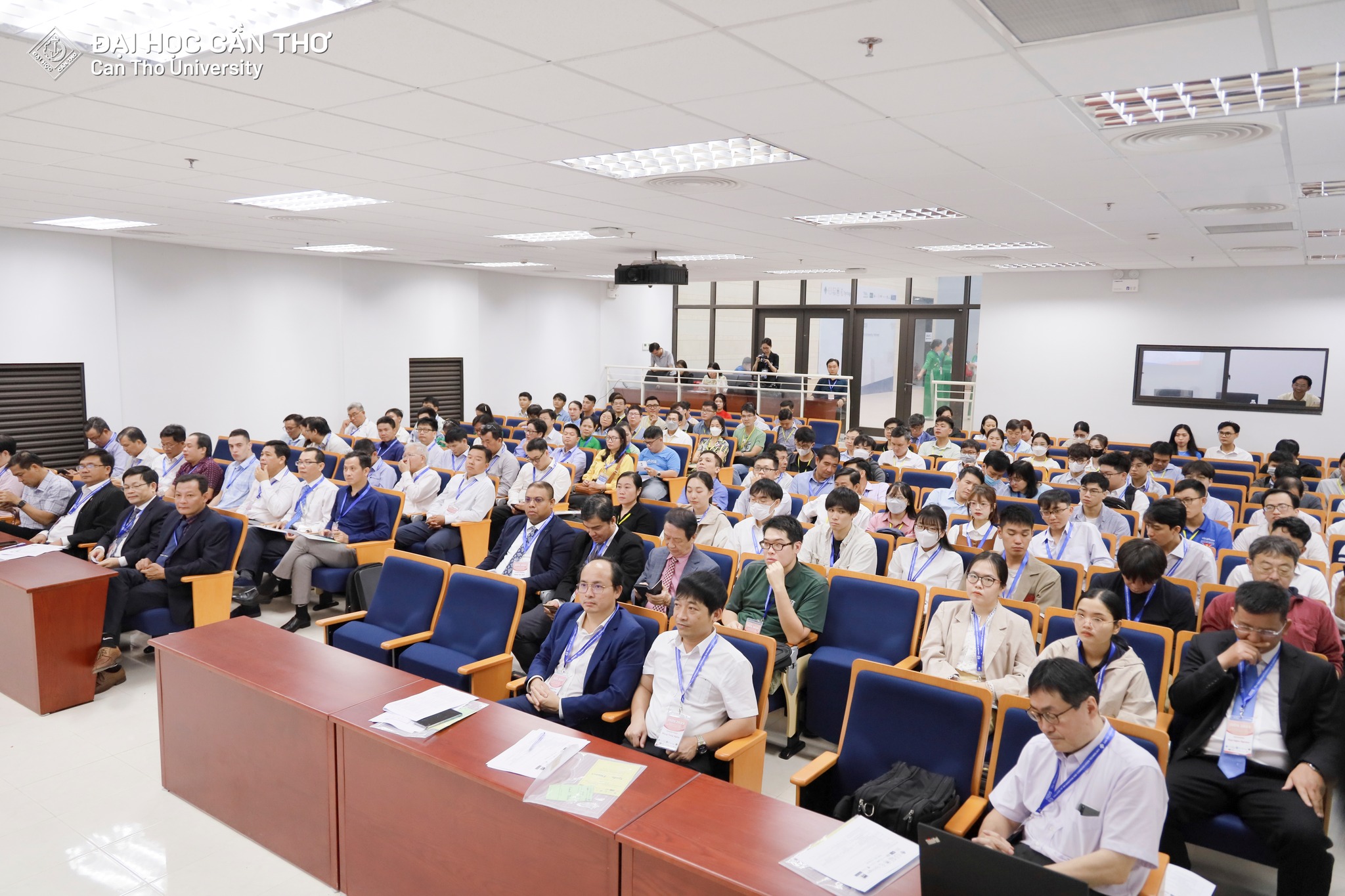
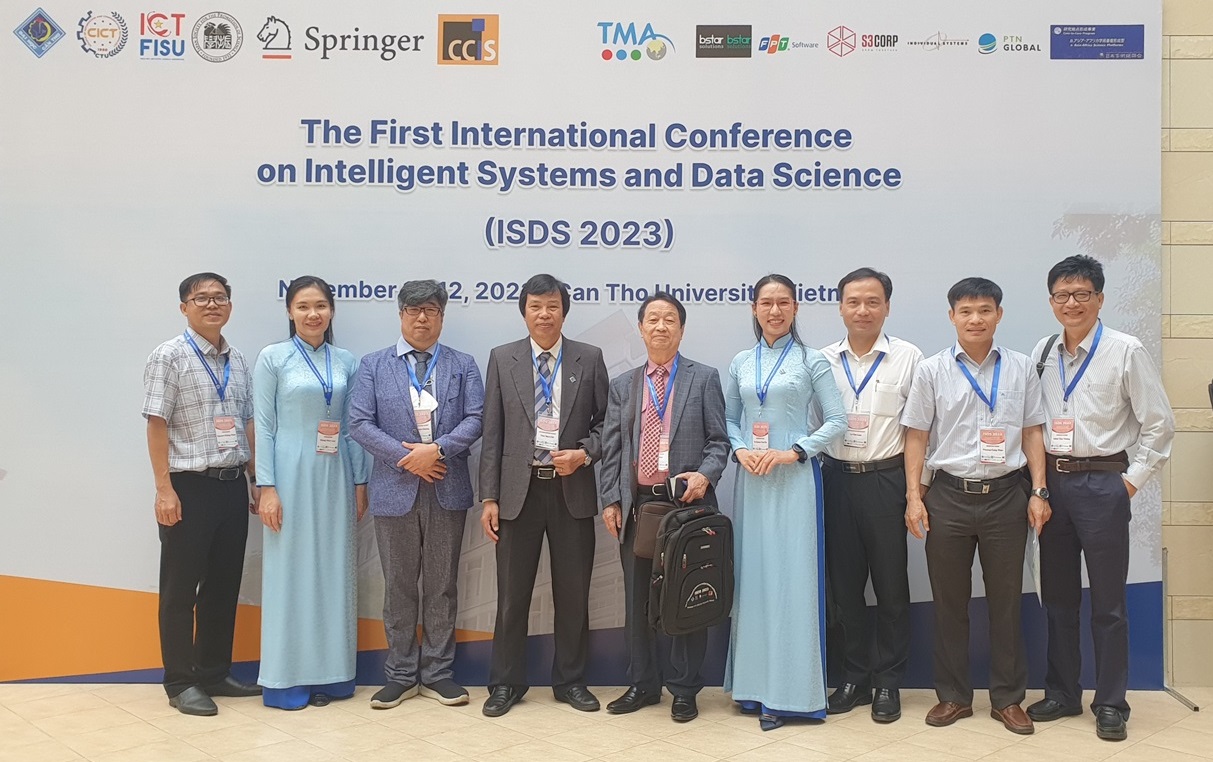
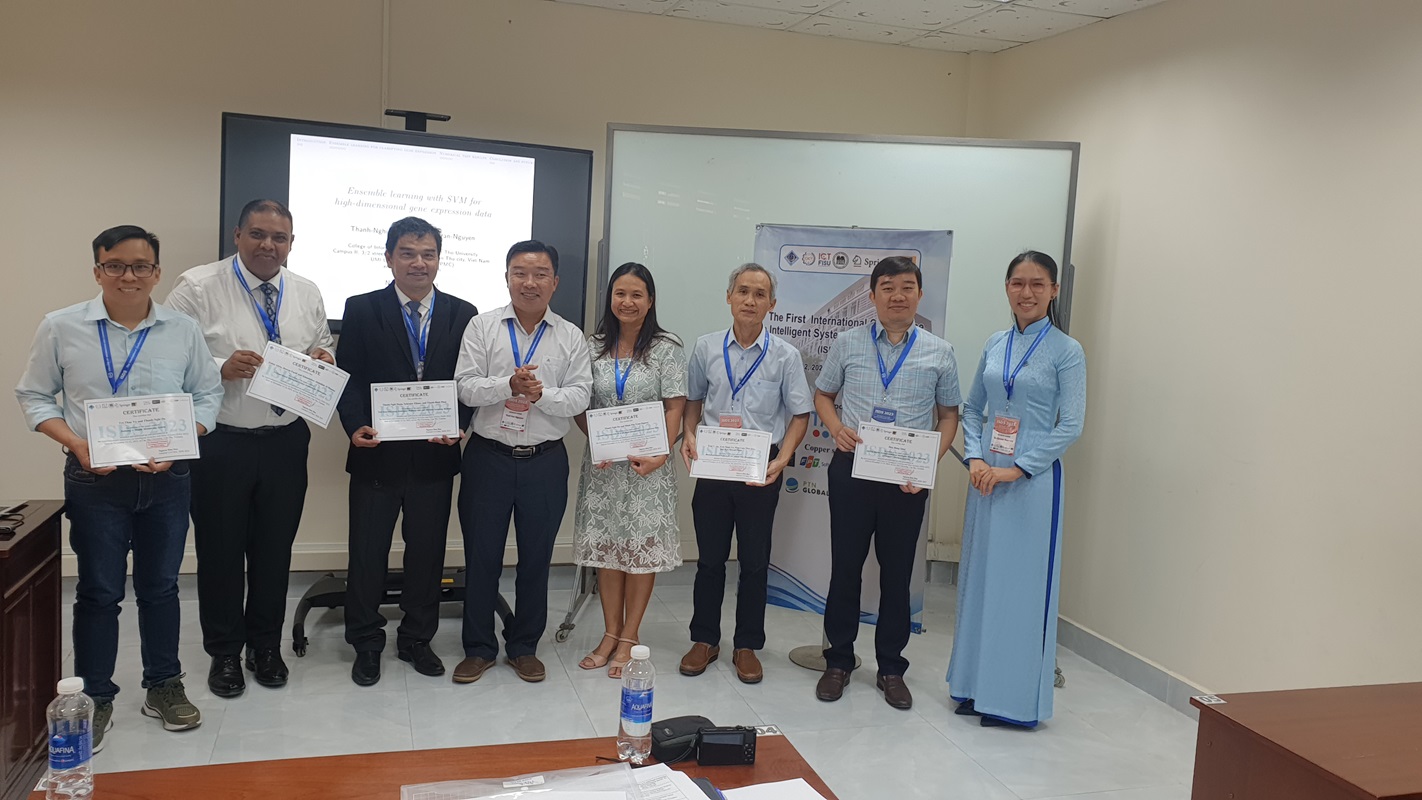
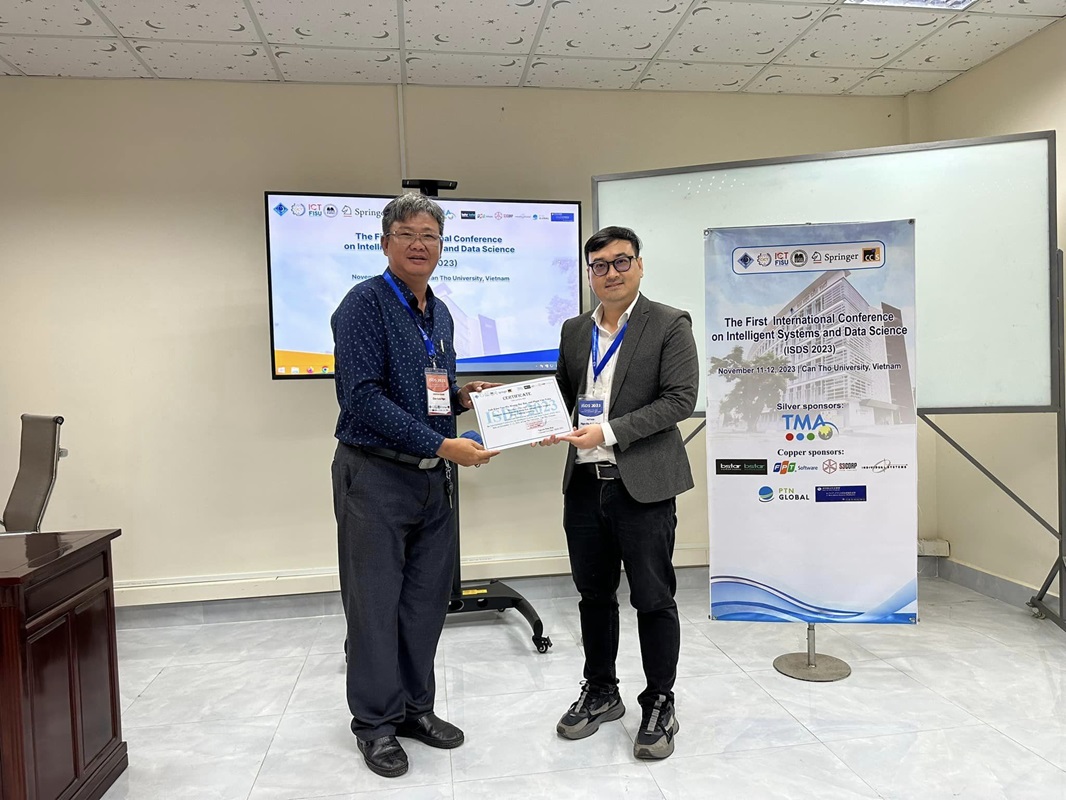
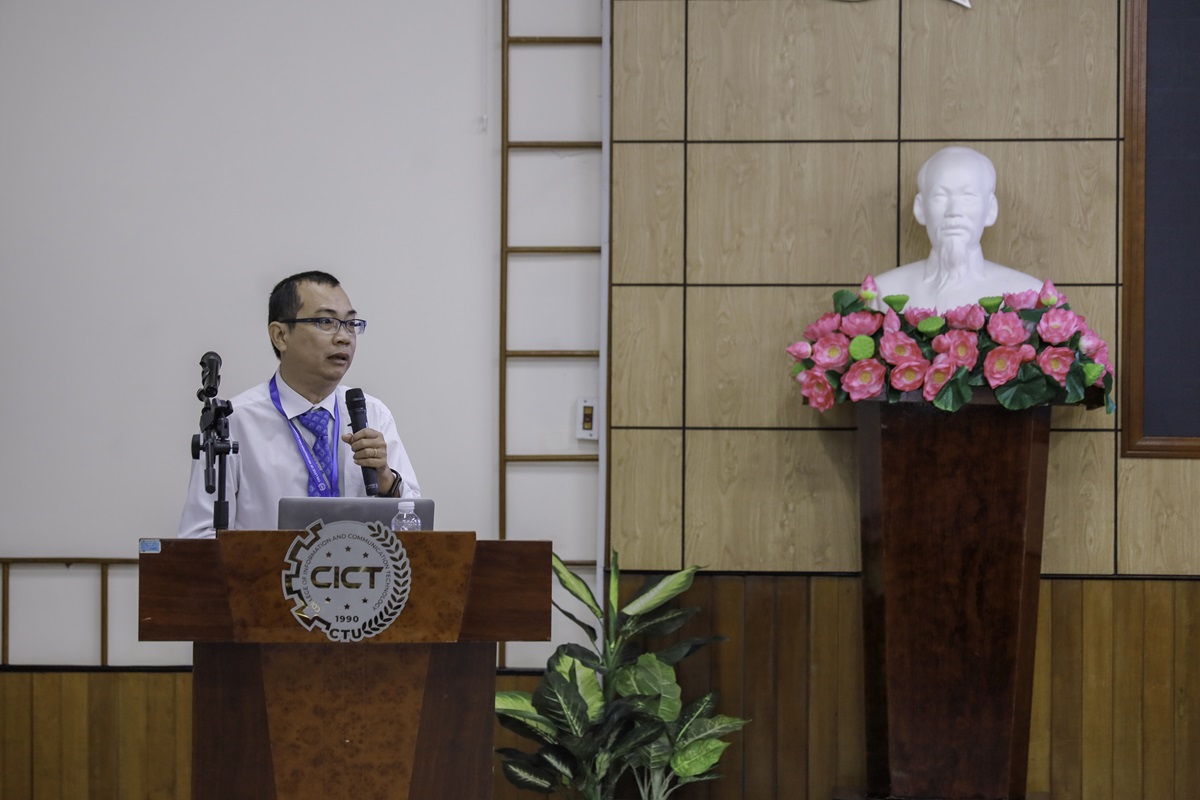
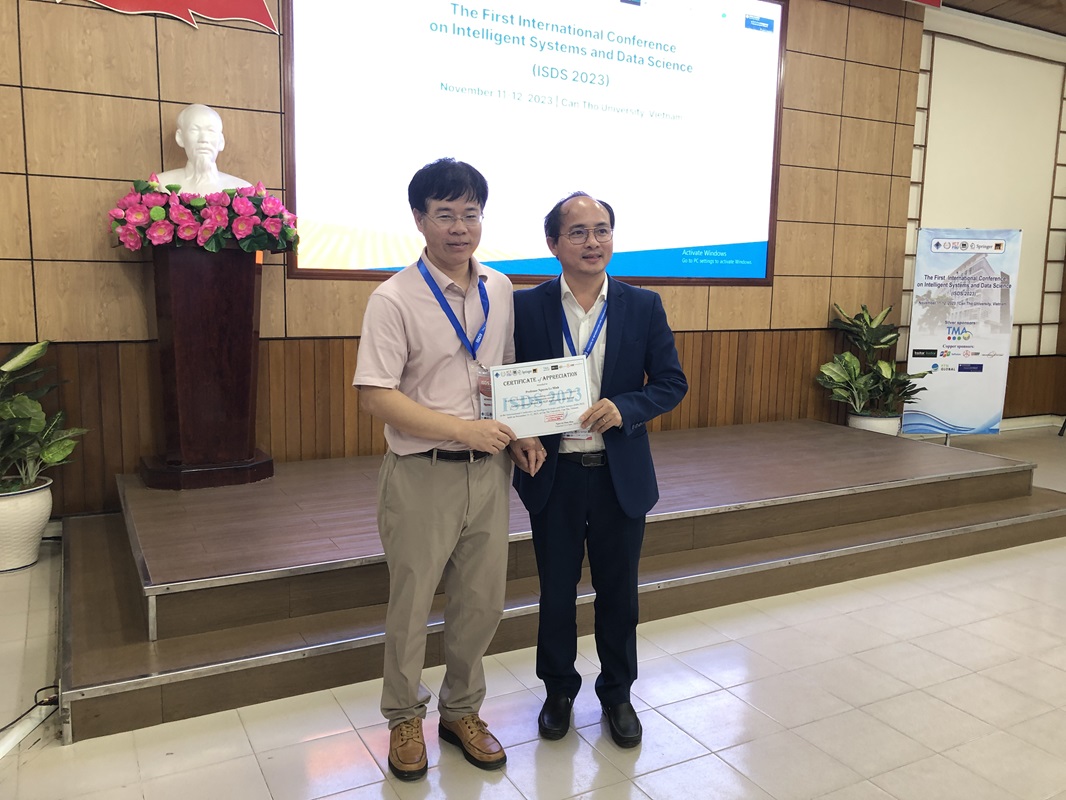
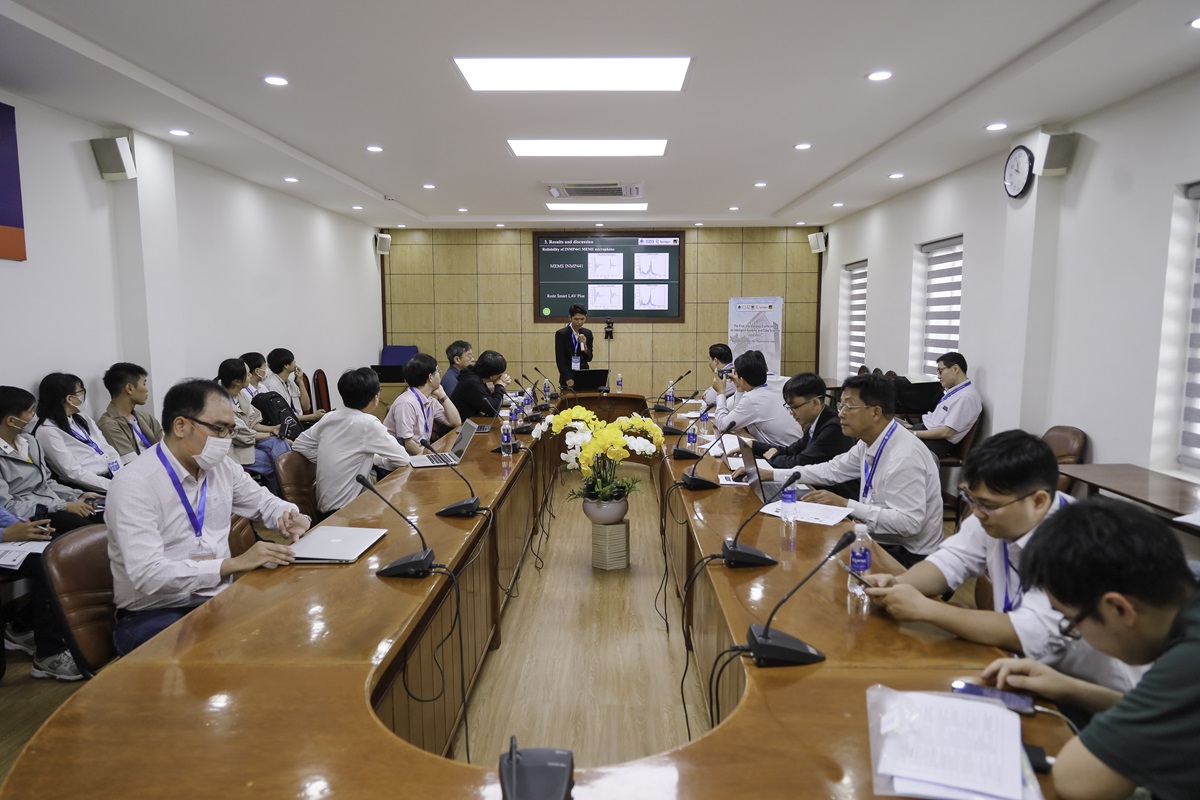
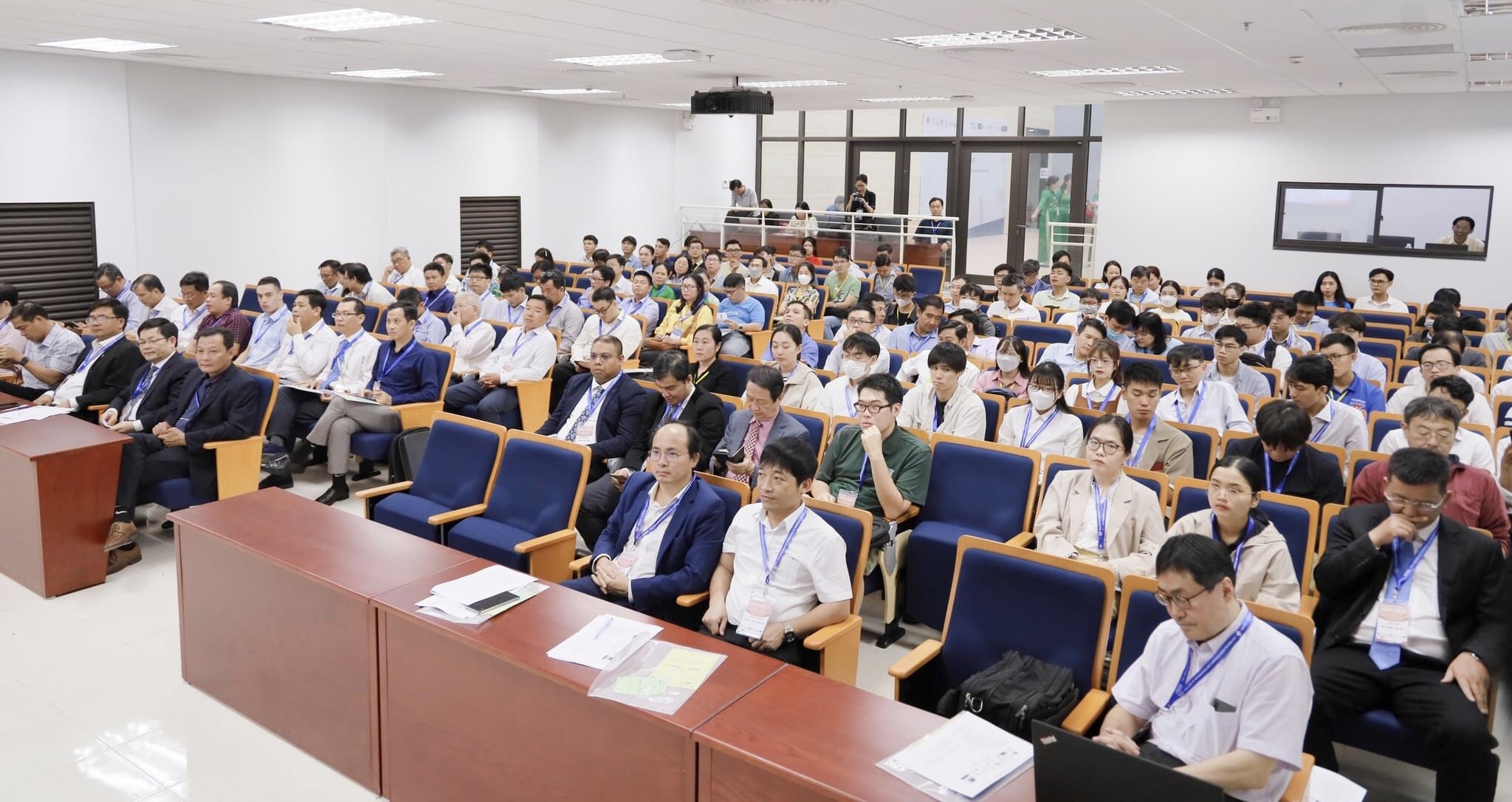
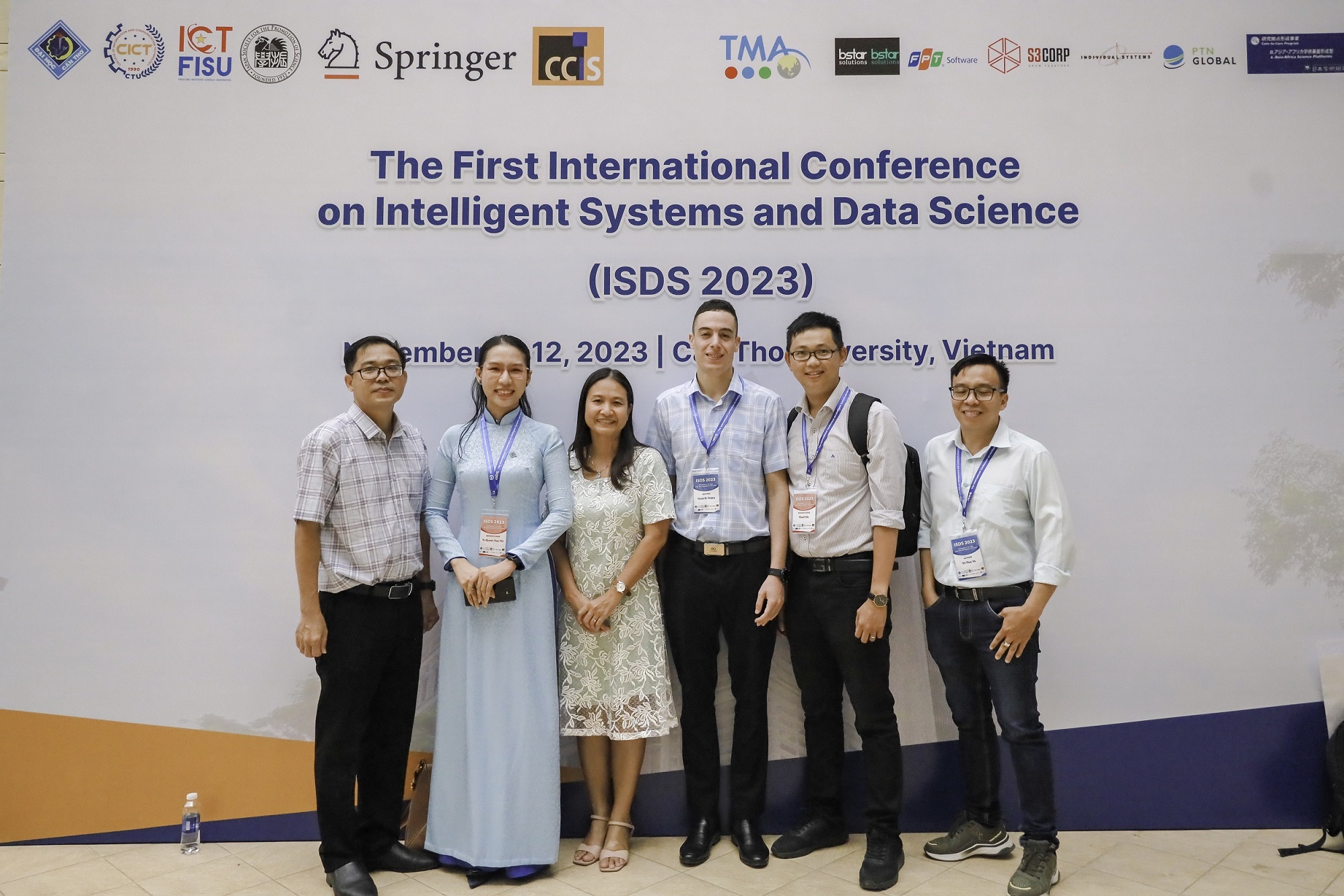
Following the success of the first ISDS 2023 organized at Can Tho University (CTU), the second ISDS 2024 organized at Nha Trang University, the third ISDS 2025 at CTU, this year, the ISDS 2026 will be held at Yuan Ze University, Taiwan. Objectives of this international conference is to attract domestic and foreign researchers to participate and present outstanding and recent research in the field of ICT. This is an opportunity for scientists to meet, exchange, and cooperate. The ISDS is also a place for students to report and learn new results in the field of ICT. This ISDS conference looks at state-of-the-art and original research issues (in the topics of intelligent systems and data science).

Topics of the conference relate to (but not limited to):

  • Track 1: Intelligent Systems & Recommender Systems
  • Track 2: Data Science & Machine Learing
  • Track 3: Image Processing & Pattern Recognition
  • Track 4: Natural Language Processing

Important dates

  • Deadline for submission: 30-July-2026 -> extented to 14-Aug-2026 (hard deadline)
  • Acceptance notification: 07-Sept-2026  
  • Deadline for final papers: 14-Sept-2026 
  • Conference dates: 14-Nov-2026 - 15-Nov-2026

Submission guidelines

All papers must be original and not simultaneously submitted to another journal or conference. Authors are invited to electronically submit full papers in English. The submitted papers must be in PDF in the LNCS/CCIS one-column page format. The length of submitted papers should be from 12-15 pages (for long papers) and 6-8 pages (for short papers). All papers have to be written in the English language.

We encourage authors to use the LaTeX template rather than the Word template. If two papers are of similar quality, preference will be given to the paper prepared in LaTeX.

Authors are invited to submit their papers at the EasyChair web site using the following URL: https://easychair.org/conferences/?conf=isds2026

Publications

 All accepted papers will be published through one of the following methods (based on the review results):

+ Top 10% papers will be published by Journal on Information Technologies & Communications (ICT Research, ISSN 1859-3534)
 - Registration fee: Vietnamese and Taiwanese authors: 150 USD;
 - Foreign authors: 200 USD

+ 35% papers will be published by Springer Verlag in Communications in Computer and Information Science (CCIS, Scopus Q3).
 - Registration fee: Vietnamese and Taiwanese authors: 250 USD;
 - Foreign authors: 300 USD

+ 15% papers will be published by CTU Journal of Innovation and Sustainable Development (CTUJoISD, Scopus Q4), https://ctujs.ctu.edu.vn. These papers will be reformated according to the CTUJoISD template by the authors.
 - Registration fee: Vietnamese and Taiwanese authors: 100 USD;
 - Foreigner authors: 150 USD

Moreover, selected papers, after further revision and extension (at least 30%), will be considered for publication in special issues of the Springer Nature Computer Science (SNCS) journal. Scopus, Q1.
Keynote 1: Is a code generated by ChatGPT or written by a human?

Recently, large language models have achieved state-of-the-art performance in code generation. Models such as ChatGPT can generate syntactically correct, highly optimized, and human-like code with remarkable accuracy. Additionally, tools like GitHub Copilot further enhance these models by assisting developers in writing high-quality code. As a result, LLMs are increasingly being adopted for code generation and programming-related tasks, transforming modern software development practices.
While LLMs offer numerous benefits, their widespread use also raises critical concerns regarding academic integrity, authorship attribution, and copyright infringement. One observes that students increasingly rely on AI systems to complete assignments and projects, and job candidates to misrepresent their programming abilities during technical interviews while they are not supposed to. Consequently, the ability to distinguish between human-written and AI-generated code is becoming increasingly important and leads to a growing interest in reliable methods for the automatic detection of AI-generated code. We will present some of the most promising methods used to address this issue, and their limits.  
Prof. Dr. Franck LEPREVOST
Prof. Dr. Franck LEPREVOSTHead of LACS (Laboratory of Algorithmics, Cryptology and Security), Co-Head of the Mathematics of Security Lab, University of Luxembourg.
Born in Cherbourg in 1965, Franck Leprévost is a French mathematician and computer scientist. He is professor at the University of Luxembourg since 2003, and was its Vice-President from 2005 to 2015. Before joining the University of Luxembourg, he was a researcher at the CNRS (Paris, France) and a professor at the University Joseph Fourier (Grenoble, France). He was researcher or visiting professor at many universities and member of the board of directors or member of the scientific council of private and public entities (ATTF, CEPS, FNR, Luxtrust S.A., UNICA, etc.). His scientific interests include algorithmic number theory, mathematics of cryptology, convolutional neural networks, deep learning, artificial intelligence and evolutionary algorithms on the one hand, and management of higher education and research organizations, international rankings and the civilizational role of universities on the other hand. He has published eight scientific journals, over 75 scientific peer-reviewed articles. His reports for the European Parliament, in particular his contribution to the report on the Echelon network, have had a substantial technical and legal impact in most European countries. Professor Leprévost's expertise in the field of higher education and research as well as his managerial skills are frequently solicited by organizations, governments and companies worldwide.
Google Scholar

Keynote 2: Beyond Standalone Autonomy: Connected Intelligence for Level-5 Autonomous Vehicles

Intelligent transportation is evolving from connected vehicles toward increasingly autonomous systems capable of perceiving, reasoning, and acting in environments. Advances in deep learning, reinforcement learning, multimodal foundation models, and embodied AI have strengthened autonomous driving, yet scalable Level-5 autonomy remains challenging because onboard intelligence is limited by sensing range, occlusions, incomplete observations, computational constraints, and dynamic uncertainty. This keynote presents connected intelligence as a pathway to overcome these limitations by integrating AI, data-driven decision-making, and vehicle connectivity. It traces the evolution from 3GPP-based Vehicle-to-Everything communications and AI-driven resource allocation toward cooperative autonomous systems. Connectivity can enable vehicles to share data, perception, and contextual information, creating richer environmental understanding and decisions. This transition opens opportunities for multi-agent learning, cooperative perception, multimodal reasoning, agentic AI, and embodied intelligence. Vehicles, infrastructure, edge systems, and AI models can form a distributed ecosystem that collaboratively perceives, reasons, communicates, and acts. The keynote highlights challenges and research directions toward safe, adaptive, cooperative, scalable Level-5 autonomous mobility.
Dr. Malik Muhammad Saad
Dr. Malik Muhammad SaadAdjunct Lecturer, Department of Computer Science, Dongseo University
Research Fellow, Bio-Embodied Physical AI Group, InnoCORE, Daegu Gyeongbuk Institute of Science and Technology (DGIST)
Adjunct Lecturer, Department of Computer Science, Dongseo University
Malik Muhammad Saad is an Adjunct Faculty member in the Department of Computer Science at Dongseo University, Korea, and a Research Fellow with the Bio-Embodied Physical AI Group, InnoCORE, at the Daegu Gyeongbuk Institute of Science and Technology (DGIST). He received his Ph.D. degree from the School of Computer Science and Engineering at Kyungpook National University (KNU), Daegu, Korea, in 2024.Previously, he served as an Application Design Engineer at Micro Electronics International Pvt. Ltd., Islamabad, Pakistan. He has demonstrated his research work at 3GPP RAN2 Working Group meetings. His research interests include Agentic AI, Multi-Agent Reinforcement Learning, autonomous systems, and 6G-V2X communications. He is actively engaged in 3GPP-aligned R&D and 5GAA collaborative research, with contributions to intelligent resource allocation, sidelink communications, vehicular networking, and AI-enabled communication architectures. He has published research in leading IEEE journals, magazines, and international conferences spanning artificial intelligence, wireless communications, autonomous systems, and embodied AI. He has served on the Organizing Committees and Technical Program Committees of several international conferences organized by IEEE and the Association for Computing Machinery (ACM). He also contributes to the research community through various editorial roles for reputable international journals.
Google Scholar

Keynote 3: AI Models for Control, Prediction and Classification: Applications and Examples

Artificial Intelligence (AI) models, including artificial neural networks and deep learning, have advanced rapidly in recent years and are now widely applied in areas such as control, prediction, and classification. These developments provide new approaches to traditional engineering and data analysis methods.

In control systems, AI models can learn and adapt their behavior through machine learning, enabling them to develop control strategies and adjust control parameters in real time. This capability can improve system stability, efficiency, adaptability, and automation. In prediction, AI models can identify hidden features and trends from large volumes of historical data. Neural networks and deep learning techniques can be used to predict time-series behavior, demand, and system states, helping to reduce uncertainty and support more effective decision-making.

AI models are also increasingly used in classification tasks. Through supervised learning, they can identify patterns and features within data and automatically classify different types of information. For example, deep learning models have demonstrated significant potential in medical image recognition and diagnosis.

This speech will introduce several applications of AI models in control, prediction, and classification, while exploring their potential to improve system performance, accuracy, and intelligence. By integrating AI models with traditional engineering and analytical methods, it is possible to develop more adaptive, efficient, and intelligent control and decision-making systems.


Professor Chih-Min Lin
Professor Chih-Min LinChair Professor, Yuan Ze University | IEEE Life Fellow
Professor Chih-Min Lin was born in Changhua, Taiwan, in 1959. He received his B.S. and M.S. degrees from the Department of Control Engineering in 1981 and 1983, respectively, and his Ph.D. degree from the Institute of Electronics Engineering in 1986, all from National Chiao Tung University, Hsinchu, Taiwan. Professor Lin has received the Outstanding Research Award from Taiwan’s National Science Council three times. He was elected an IEEE Fellow in 2010. In 2012-2013, he was elected to the Board of Governors of the IEEE Systems, Man, and Cybernetics Society. In recognition of his outstanding academic achievements, he received the 64th Ministry of Education Academic Award in 2020 and was selected for the 29th Ministry of Education National Chair Scholarship in 2025. He was elevated to IEEE Life Fellow in 2025. Professor Lin served as Vice President of Yuan Ze University from 2016 to 2022 and currently serves as a Chair Professor at Yuan Ze University. He also serves as an Associate Editor for IEEE Transactions on Cybernetics and IEEE Transactions on Fuzzy Systems now. His research interests include brain-inspired neural network models, intelligent control systems, signal processing and prediction, and medical diagnosis. To date, he has published more than 200 journal papers, making significant contributions to the development and application of intelligent AI models.
Sponsors

Top Sponsor