

The 4th International Conference on Intelligent Systems and Data Science (ISDS 2026)
Yuan Ze University, Taiwan, 14-15 November, 2026


Call for papers
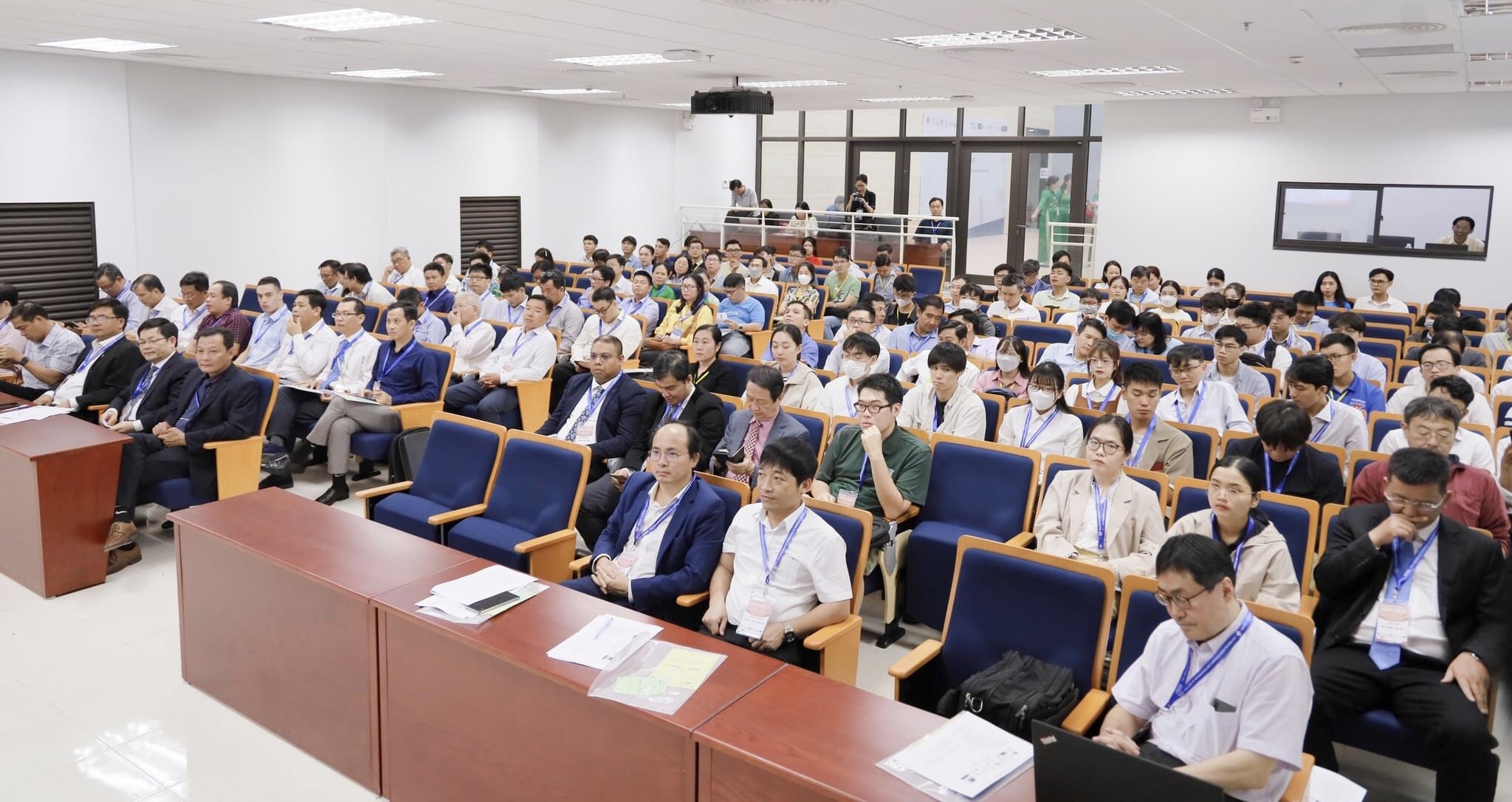
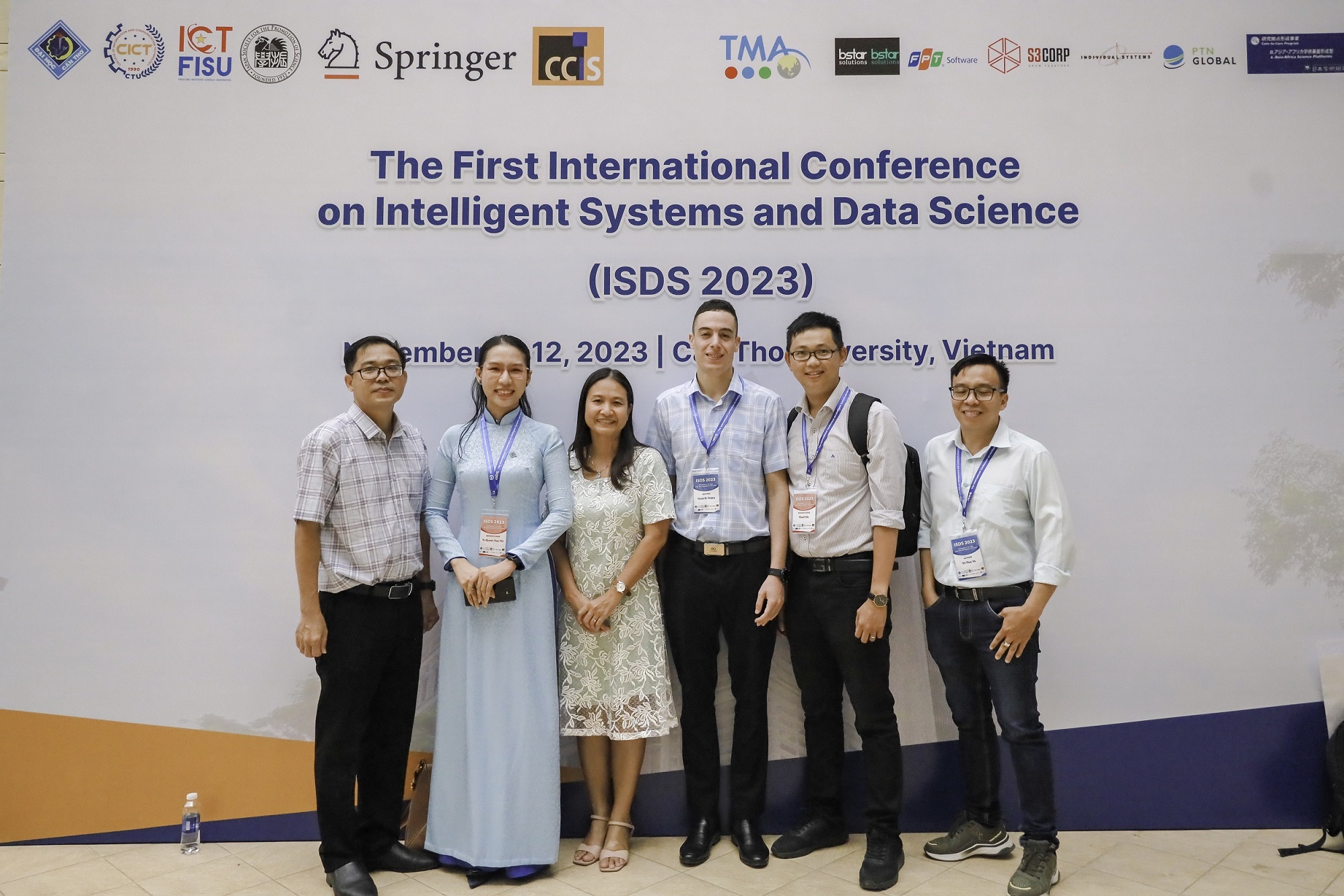
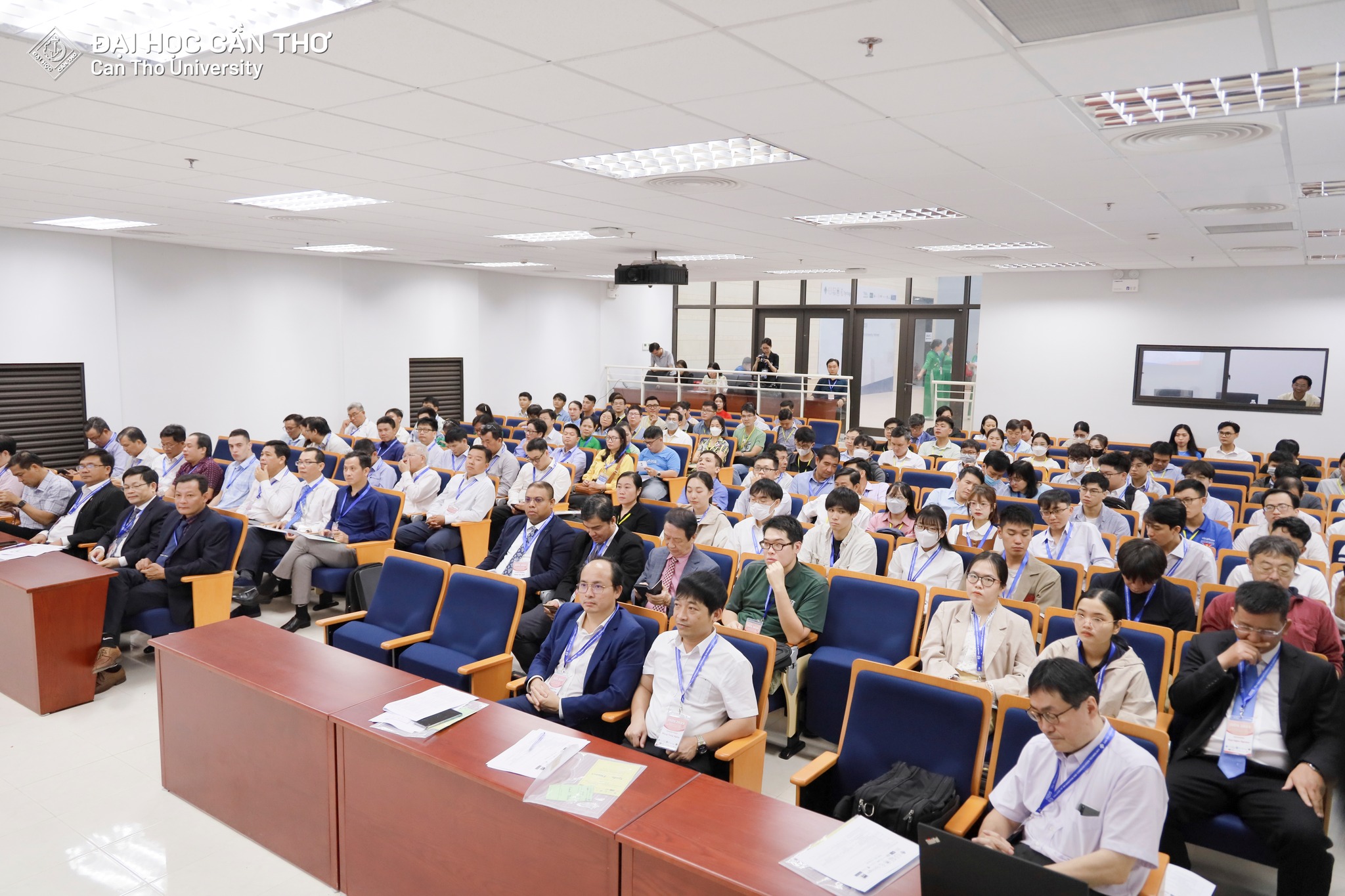
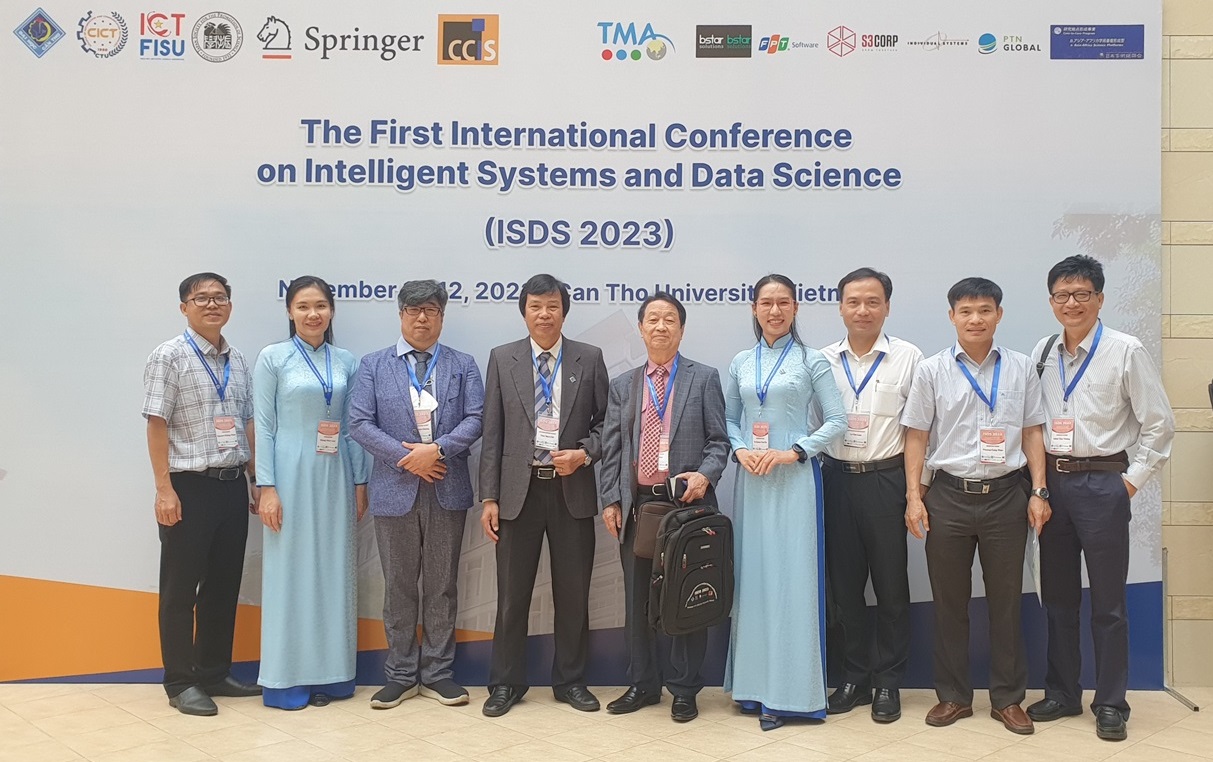
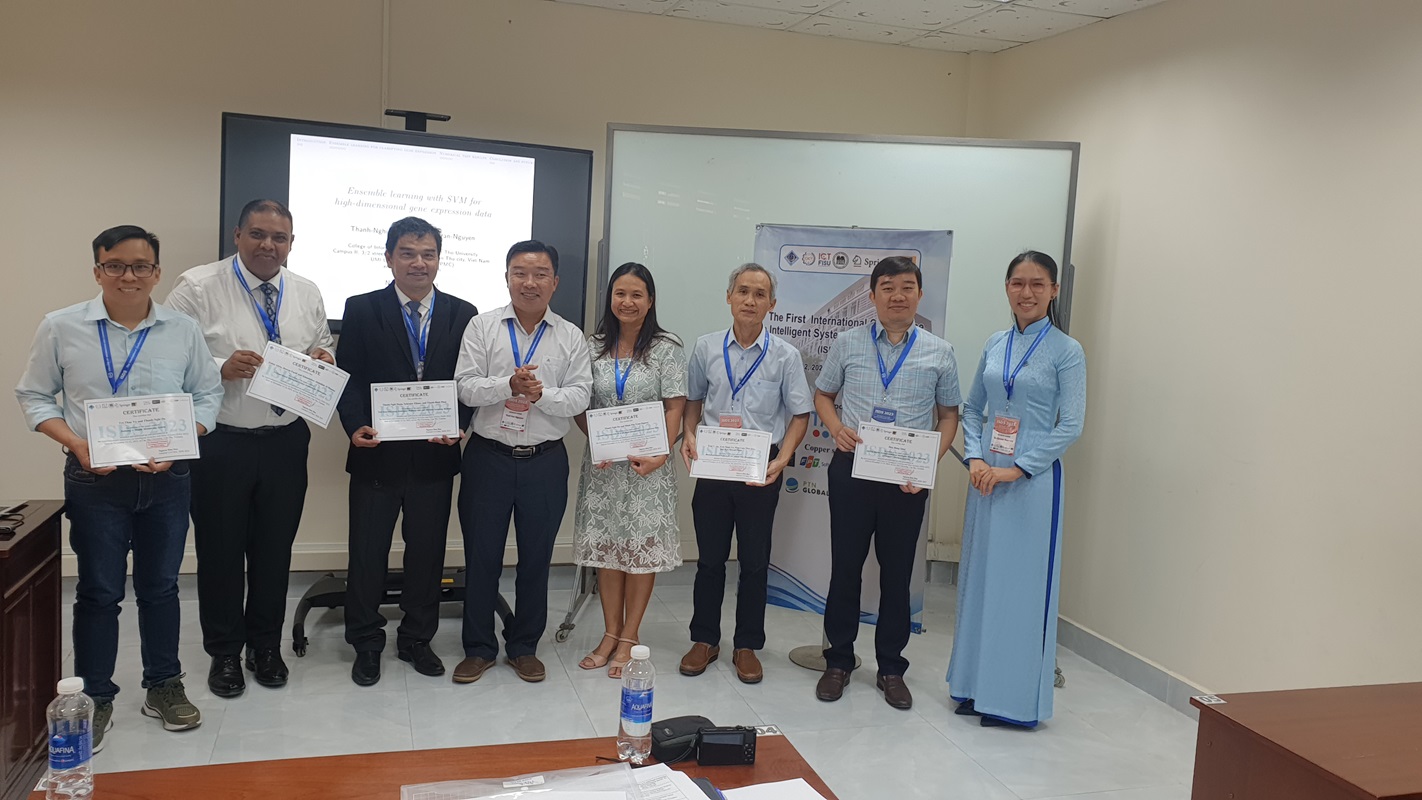
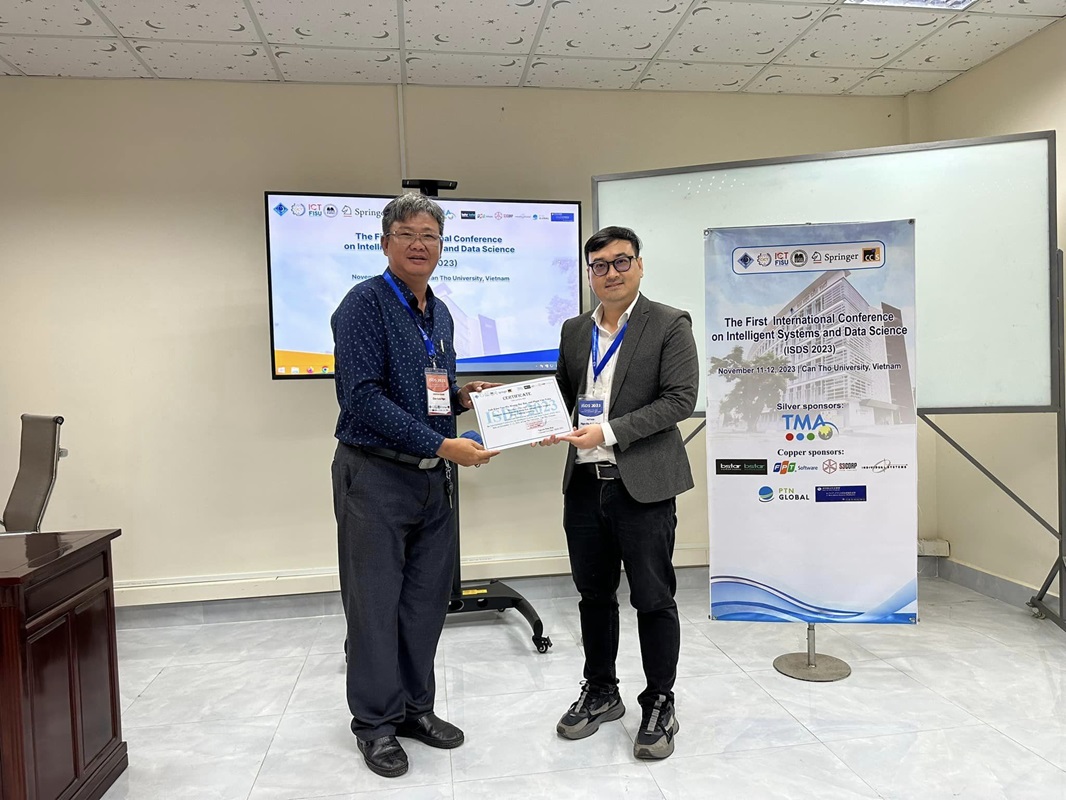
Following the success of the first ISDS 2023 organized at Can Tho University (CTU), the second ISDS 2024 organized at Nha Trang University, the third ISDS 2025 at CTU, this year, the ISDS 2026 will be held at Yuan Ze University, Taiwan. Objectives of this international conference is to attract domestic and foreign researchers to participate and present outstanding and recent research in the field of ICT. This is an opportunity for scientists to meet, exchange, and cooperate. The ISDS is also a place for students to report and learn new results in the field of ICT. This ISDS conference looks at state-of-the-art and original research issues (in the topics of intelligent systems and data science).
Topics of the conference relate to (but not limited to):
- Track 1: Intelligent Systems & Recommender Systems
- Track 2: Data Science & Machine Learing
- Track 3: Image Processing & Pattern Recognition
- Track 4: Natural Language Processing
Important dates
- Deadline for submission: 30-July-2026 -> extented to 14-Aug-2026 (hard deadline)
- Acceptance notification: 07-Sept-2026
- Deadline for final papers: 16-Sept-2026
- Conference dates: 14-Nov-2026 - 15-Nov-2026
Submission guidelines
All papers must be original and not simultaneously submitted to another journal or conference. Authors are invited to electronically submit full papers in English. The submitted papers must be in PDF in the LNCS/CCIS one-column page format. The length of submitted papers should be from 12-15 pages (for long papers) and 6-8 pages (for short papers). All papers have to be written in the English language.
We encourage authors to use the LaTeX template rather than the Word template. If two papers are of similar quality, preference will be given to the paper prepared in LaTeX.
Authors are invited to submit their papers at the EasyChair web site using the following URL: https://easychair.org/conferences/?conf=isds2026
Publications
All accepted papers will be published through one of the following methods (based on the review results):
+ 35% papers will be published by Springer Verlag in Communications in Computer and Information Science (CCIS, Scopus Q3).
- Registration fee: Vietname and Taiwan: 250 USD;
- Others: 300 USD
+ 15% papers will be published by CTU Journal of Innovation and Sustainable Development (CTUJoISD, Scopus Q4), https://ctujs.ctu.edu.vn. These papers will be reformated according to the CTUJoISD template by the authors.
- Registration fee: Vietnam and Taiwan: 100 USD;
- Others: 150 USD
Moreover, selected papers, after further revision and extension (at least 30%), will be considered for publication in special issues of the Springer Nature Computer Science (SNCS) journal. Scopus, Q1.

Keynote 1: Is a code generated by ChatGPT or written by a human?

Keynote 2: Beyond Standalone Autonomy: Connected Intelligence for Level-5 Autonomous Vehicles

Keynote 3: AI Models for Control, Prediction and Classification: Applications and Examples
Artificial Intelligence (AI) models, including artificial neural networks and deep learning, have advanced rapidly in recent years and are now widely applied in areas such as control, prediction, and classification. These developments provide new approaches to traditional engineering and data analysis methods. In control systems, AI models can learn and adapt their behavior through machine learning, enabling them to develop control strategies and adjust control parameters in real time. This capability can improve system stability, efficiency, adaptability, and automation. In prediction, AI models can identify hidden features and trends from large volumes of historical data. Neural networks and deep learning techniques can be used to predict time-series behavior, demand, and system states, helping to reduce uncertainty and support more effective decision-making. AI models are also increasingly used in classification tasks. Through supervised learning, they can identify patterns and features within data and automatically classify different types of information. For example, deep learning models have demonstrated significant potential in medical image recognition and diagnosis.
This speech will introduce several applications of AI models in control, prediction, and classification, while exploring their potential to improve system performance, accuracy, and intelligence. By integrating AI models with traditional engineering and analytical methods, it is possible to develop more adaptive, efficient, and intelligent control and decision-making systems.







- Papers in Springer CCIS Part 1: https://link.springer.com/
book/10.1007/978-981-95-3355-8 - Papers in Springer CCIS Part 2: https://link.springer.com/
book/10.1007/978-981-95-3358-9 - Papers in Journal of Research, Development and Application on Information and Communication Technology (to be online soon):
- Papers in CTU Journal of Innovation and Sustainable Development
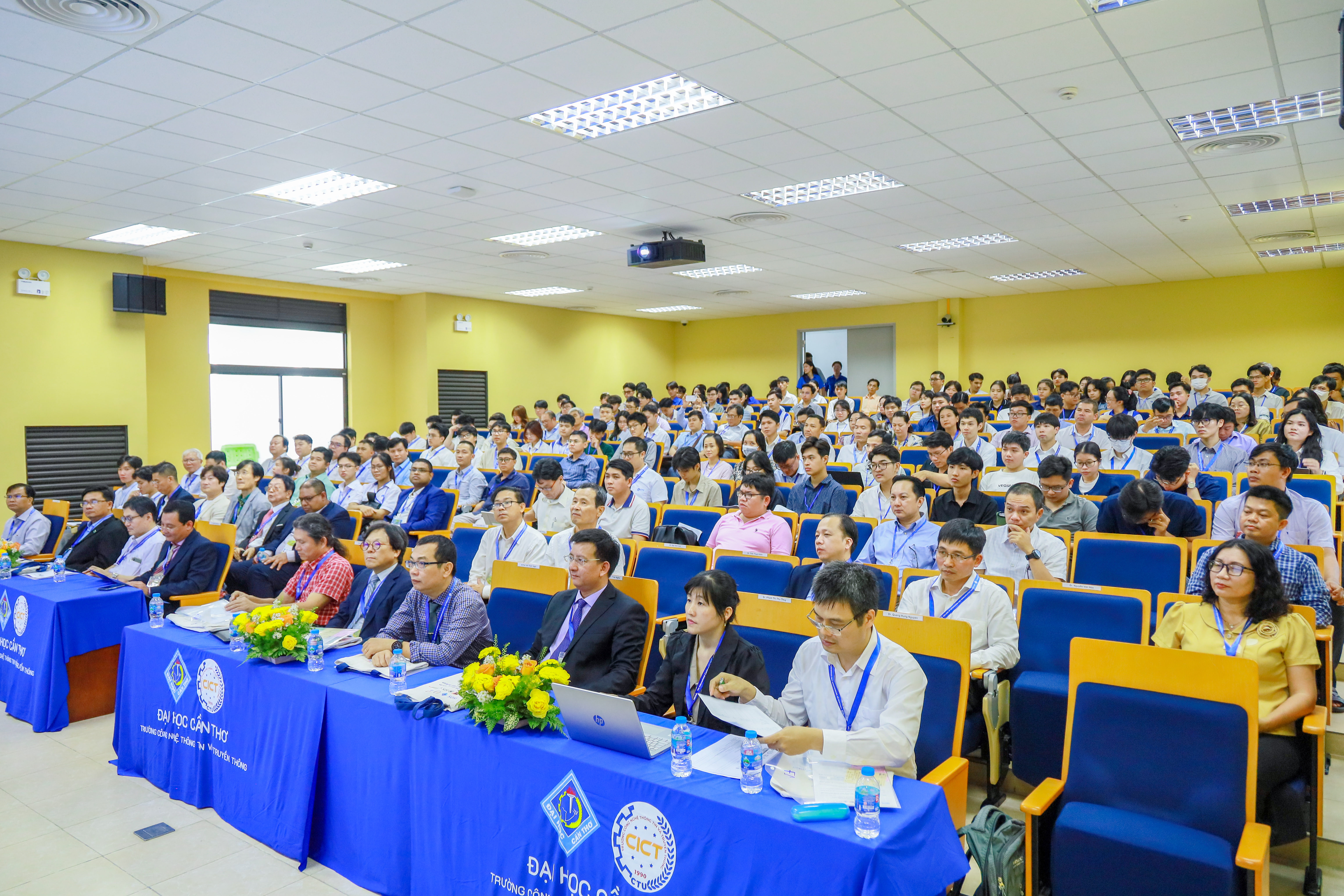
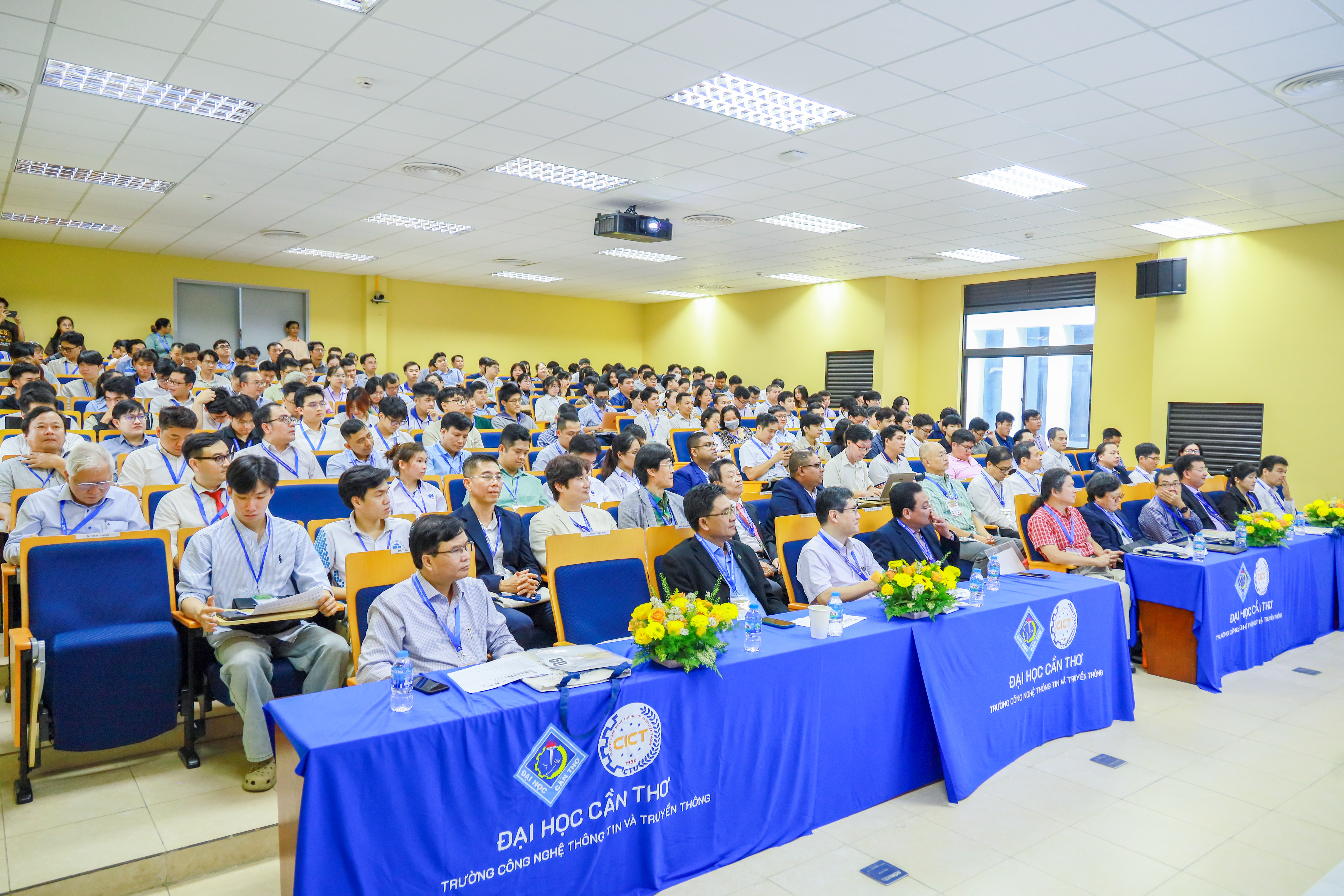
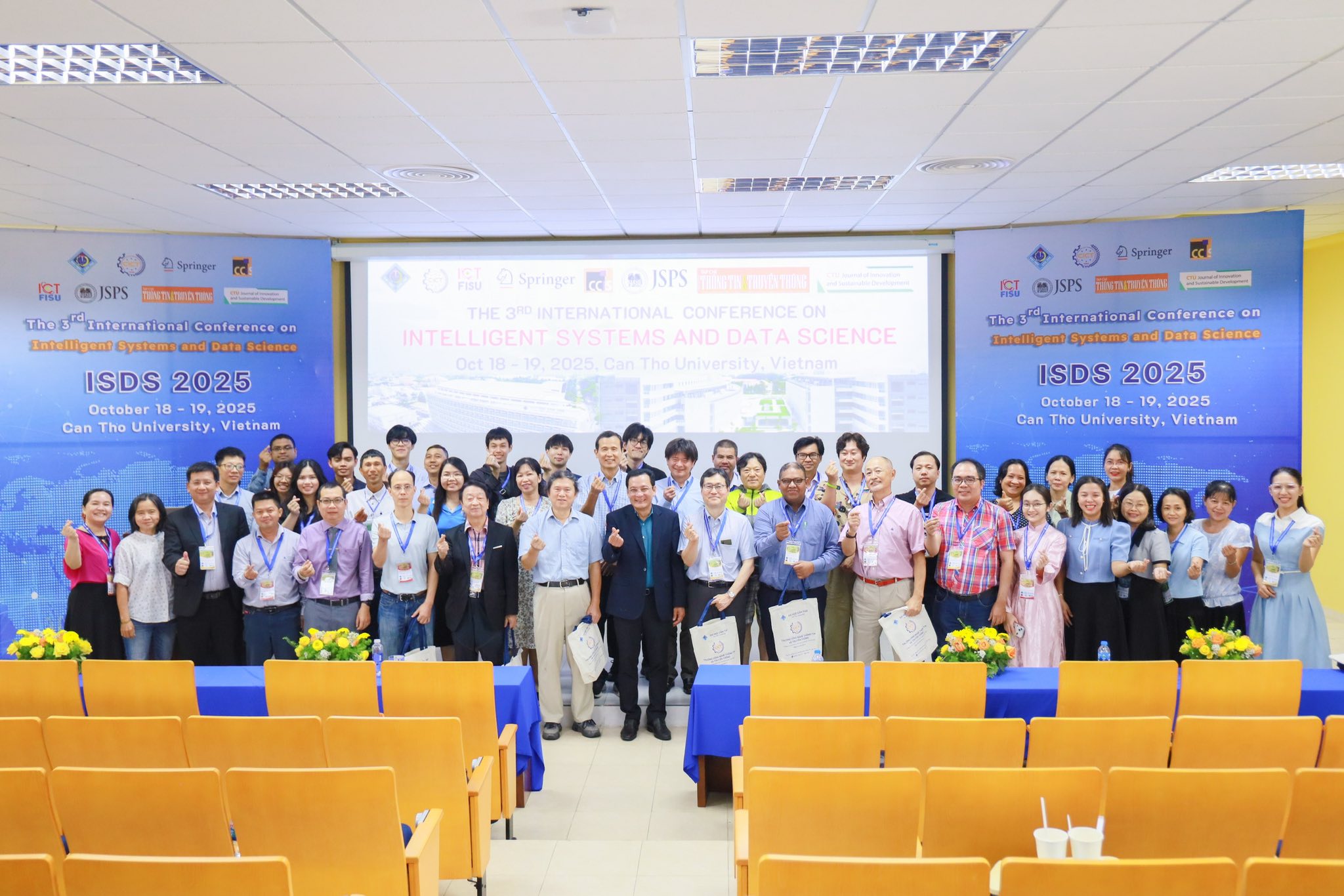
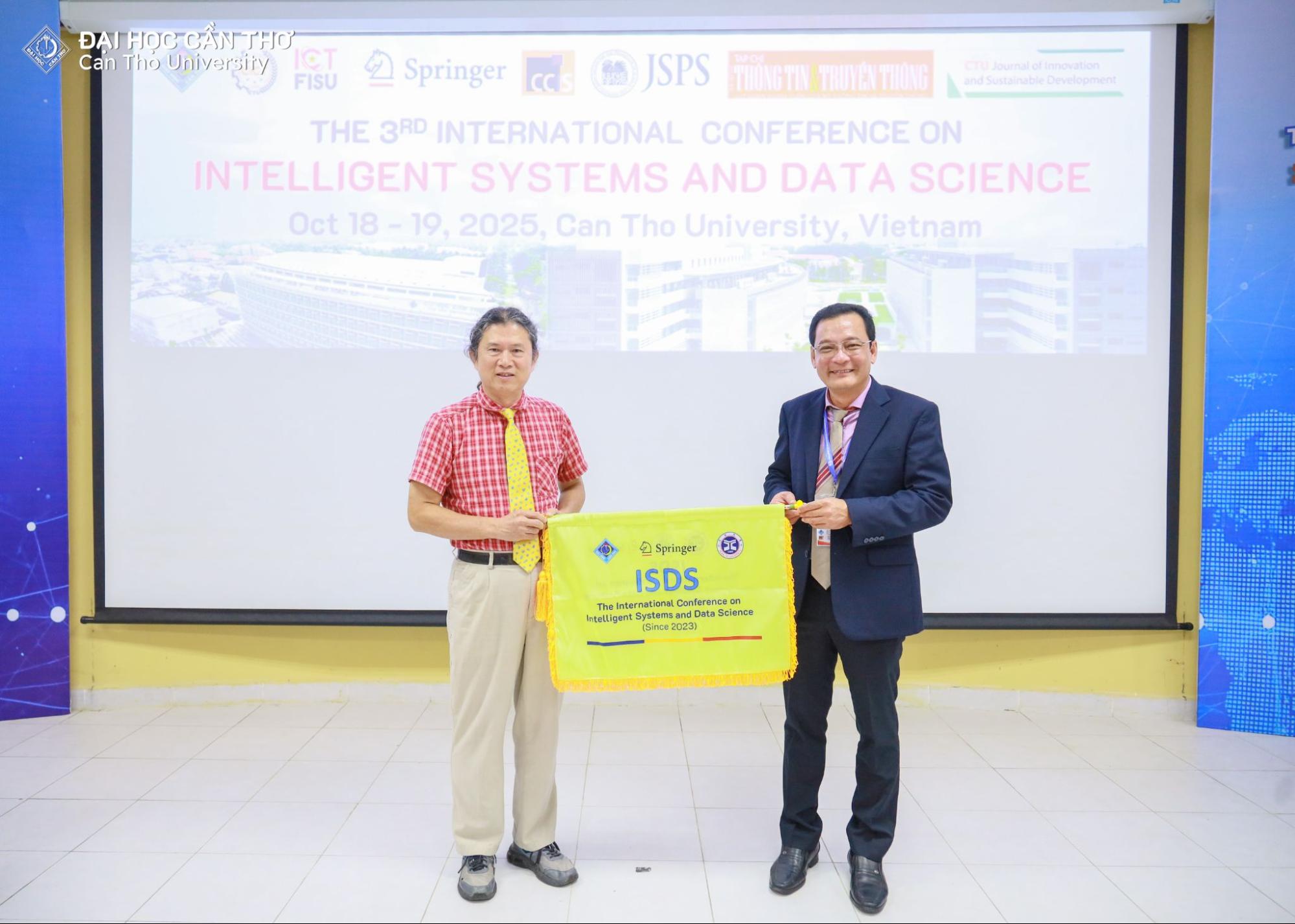
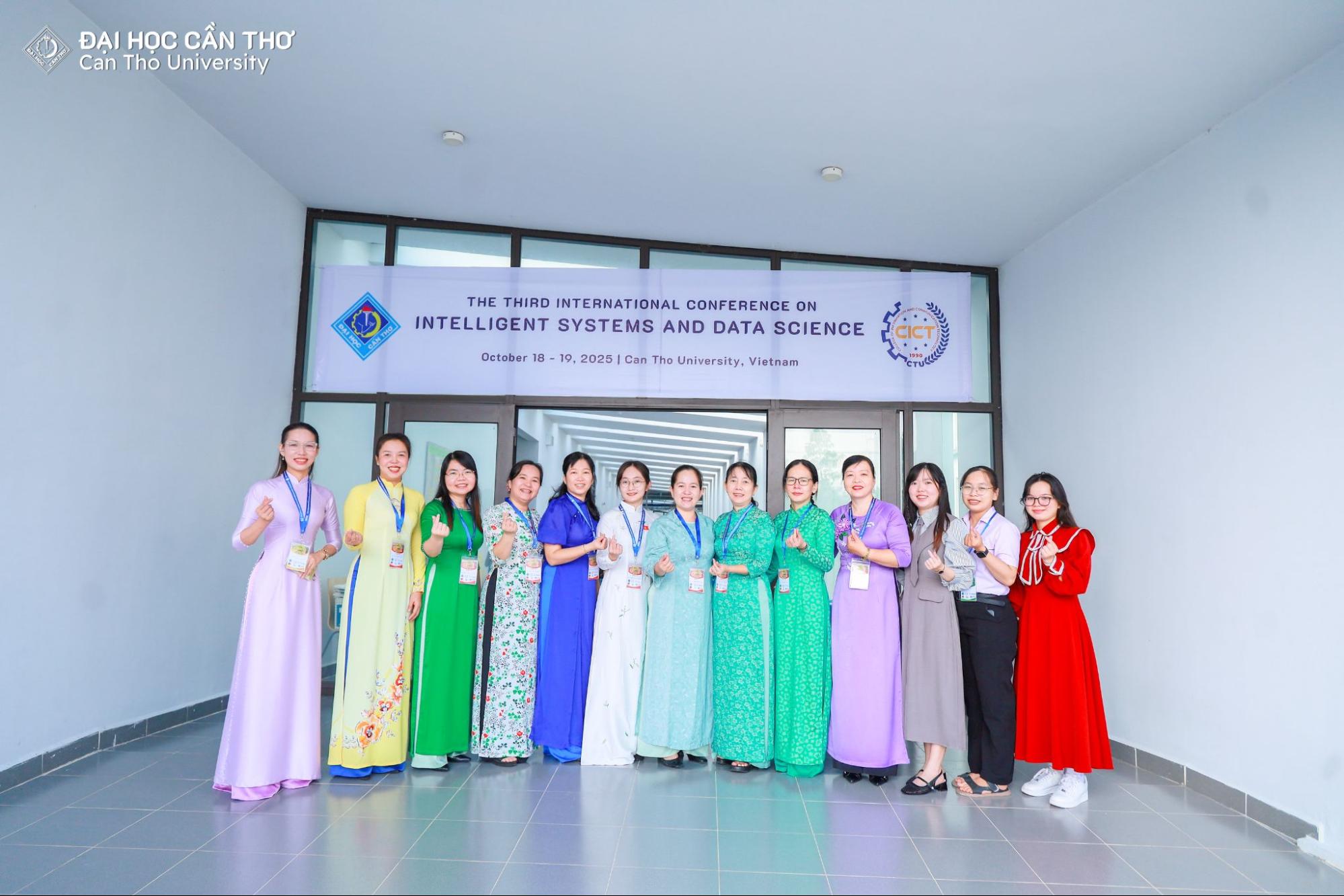
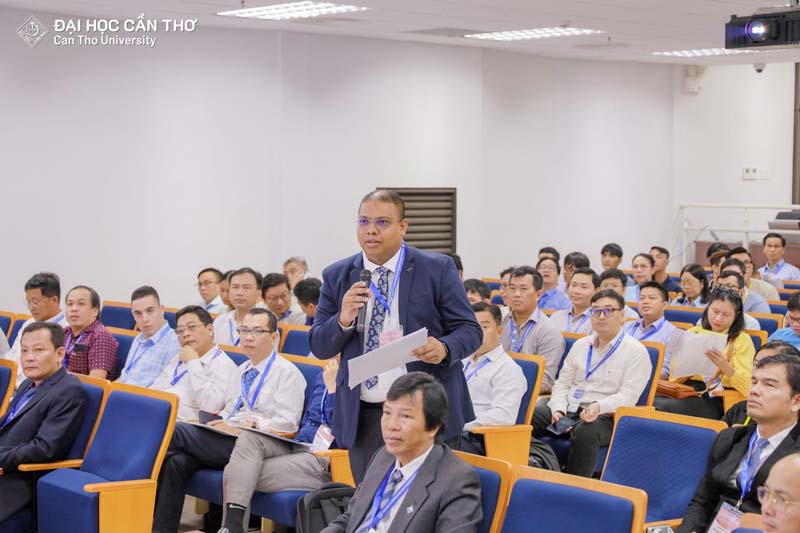
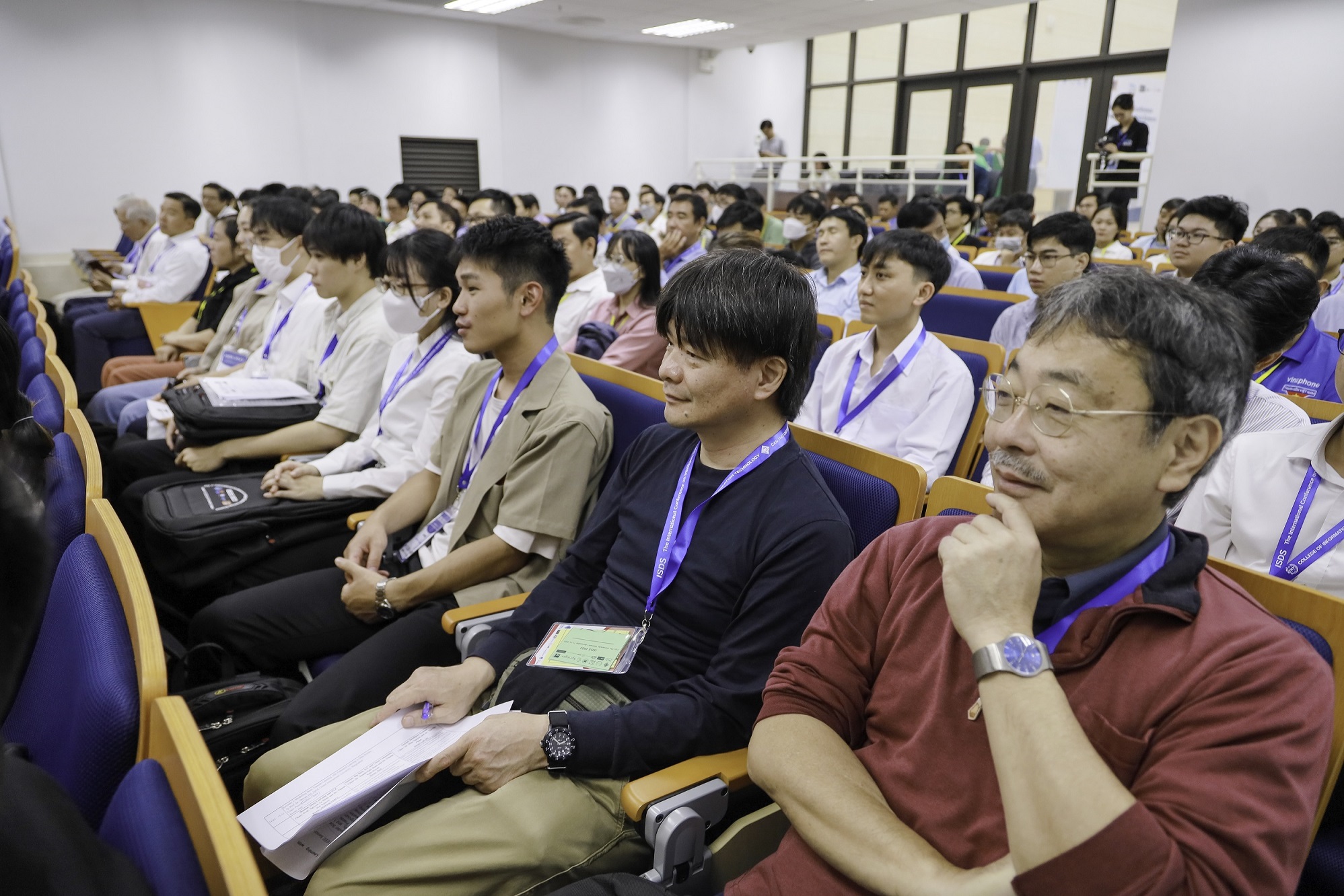
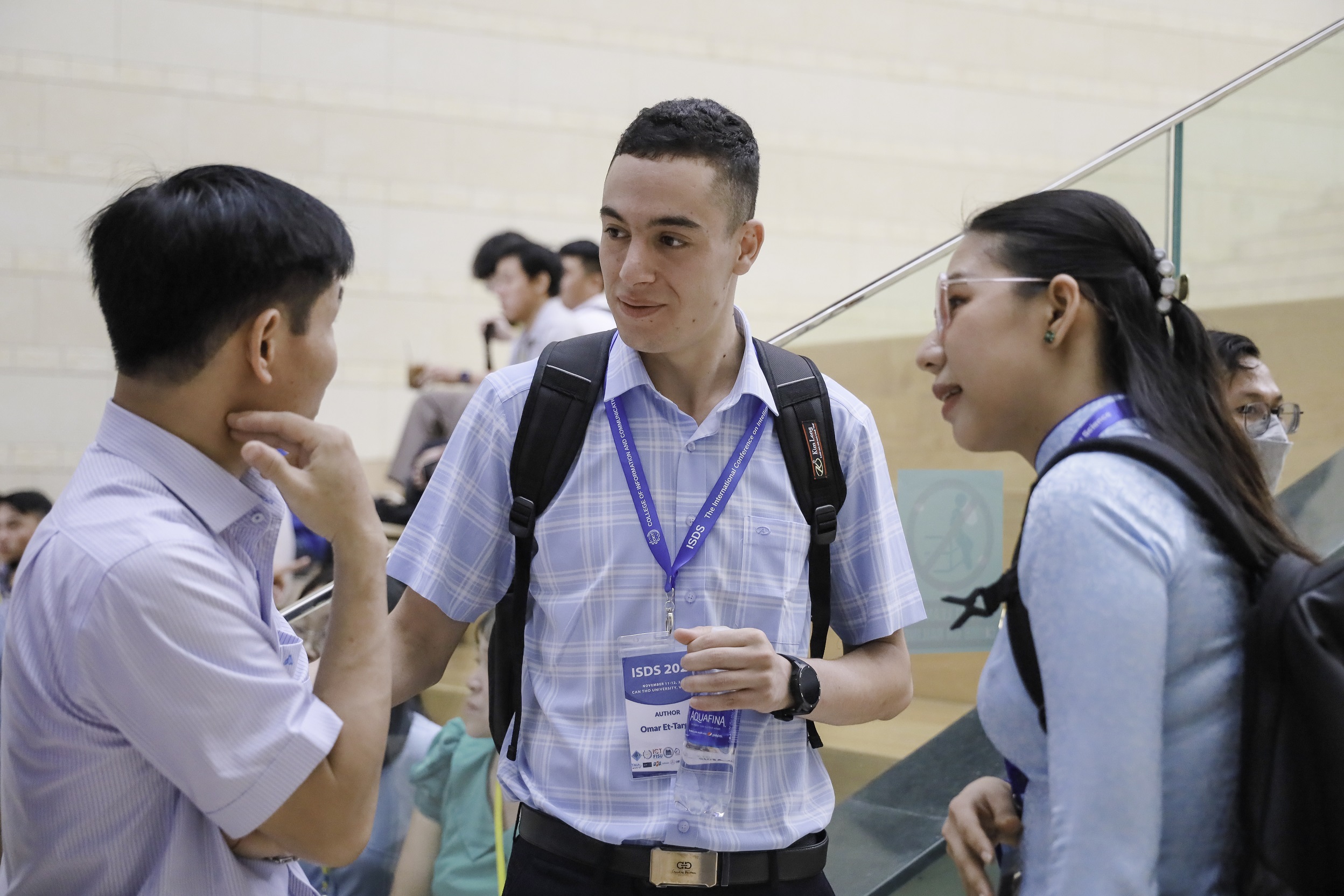
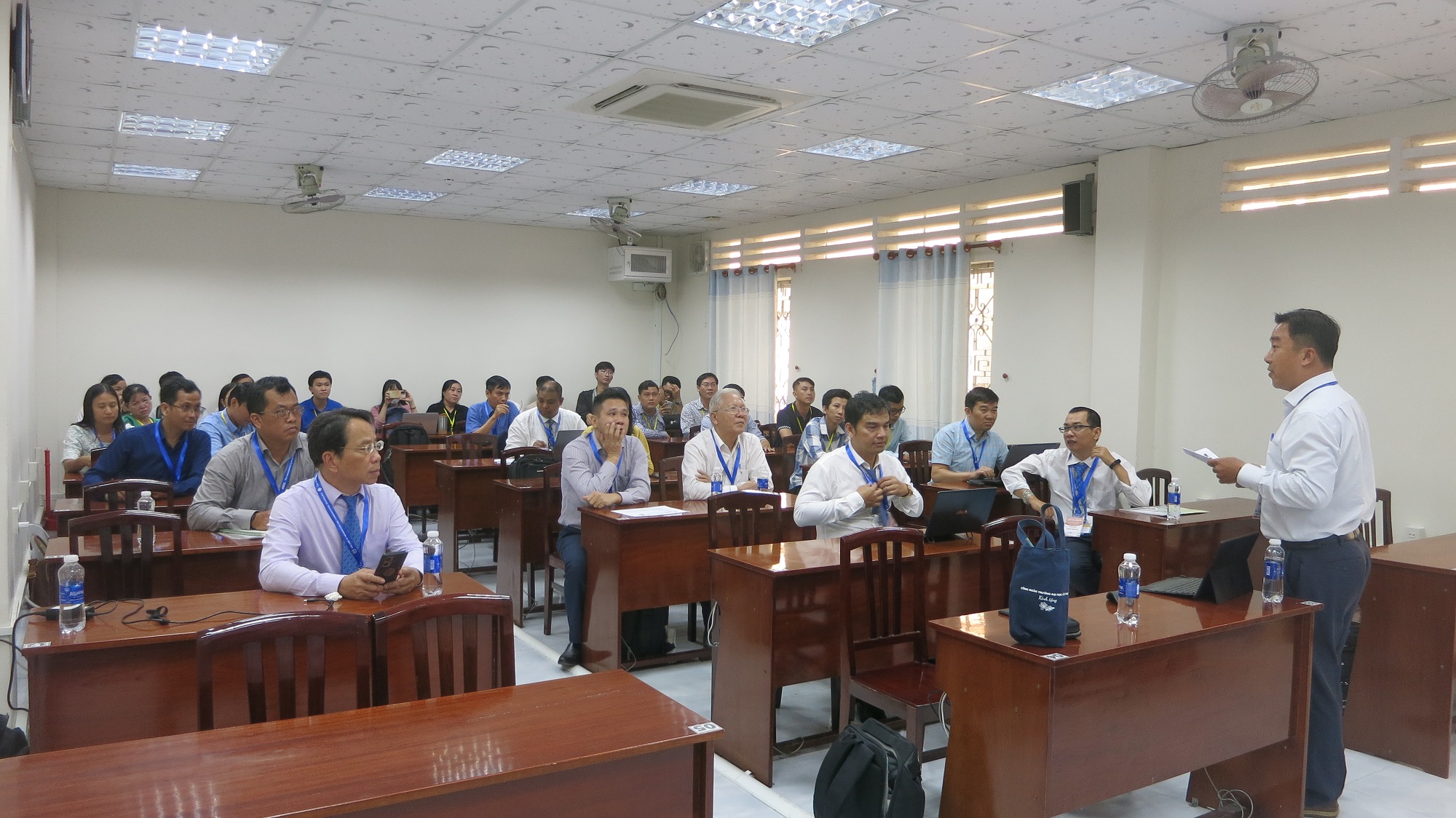
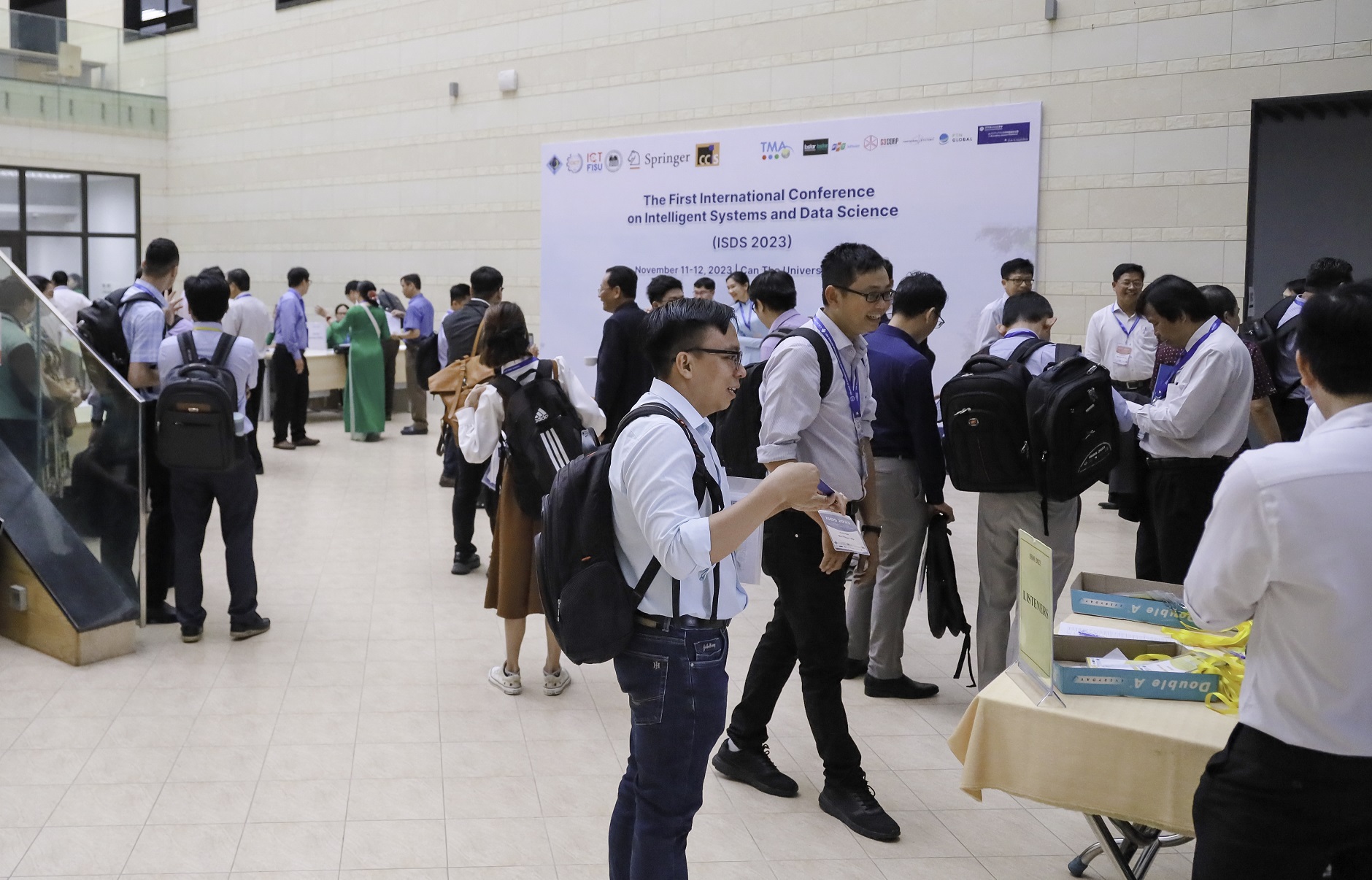
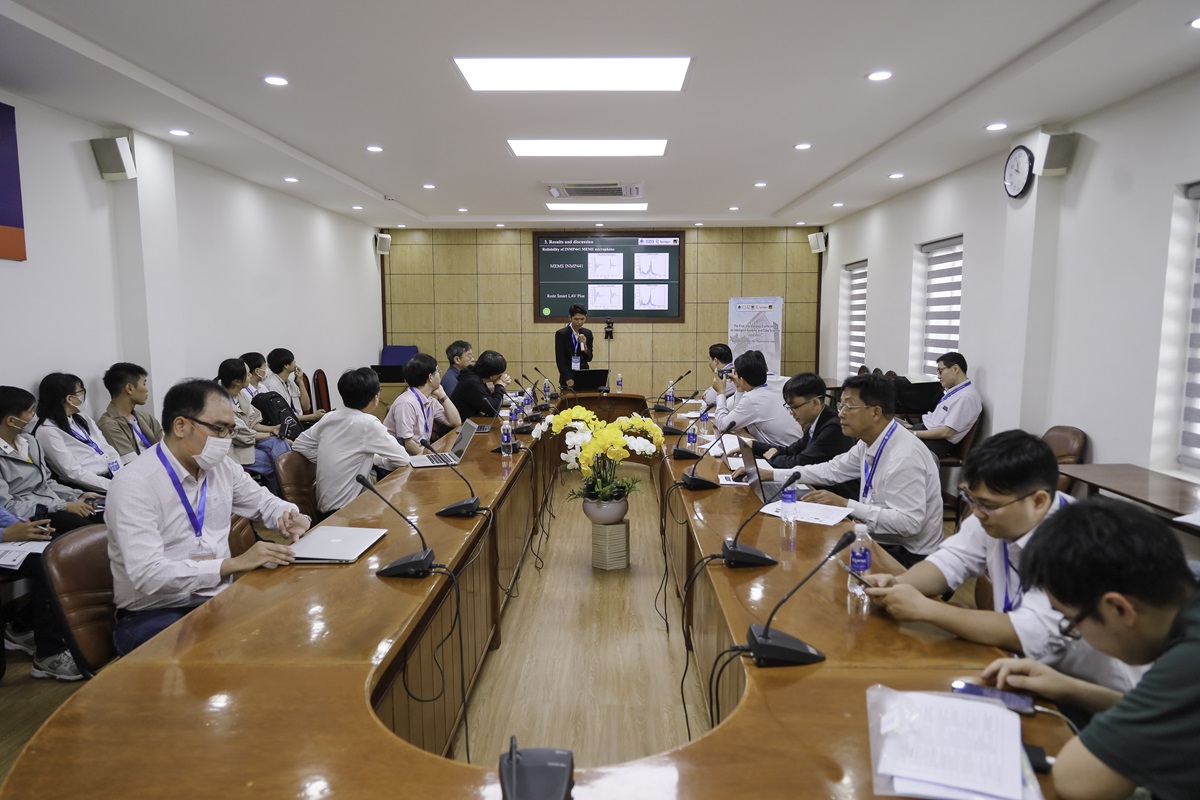
- ISDS 2025 photo


- 48 papers in Springer CCIS: part 1: https://link.springer.com/
book/9789819796120, part 2: https://link.springer.com/ book/9789819796151 - 06 papers in Journal of Research, Development and Application on Information and Communication Technology
- 12 papers in CTU Journal of Innovation and Sustainable Development
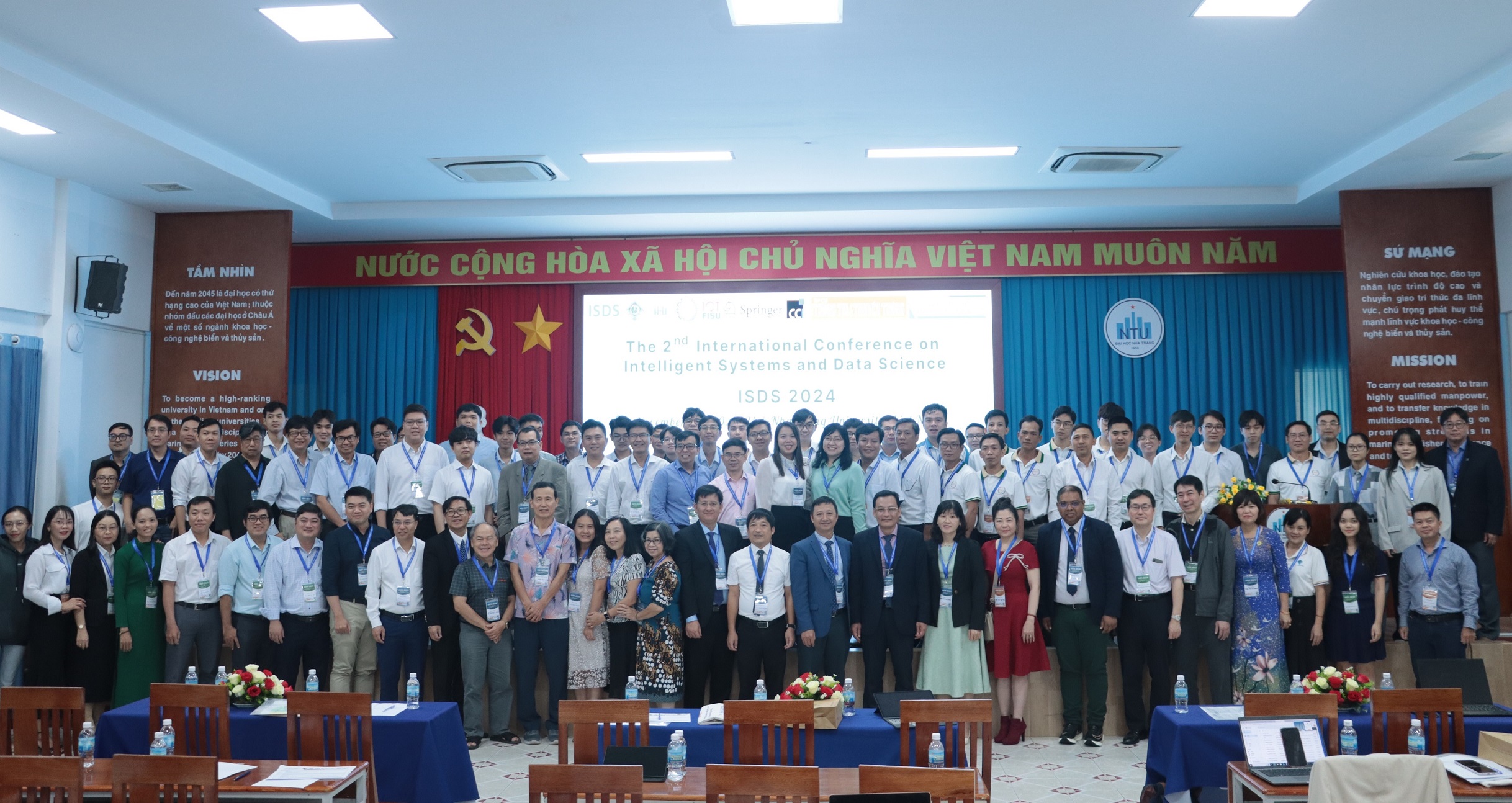
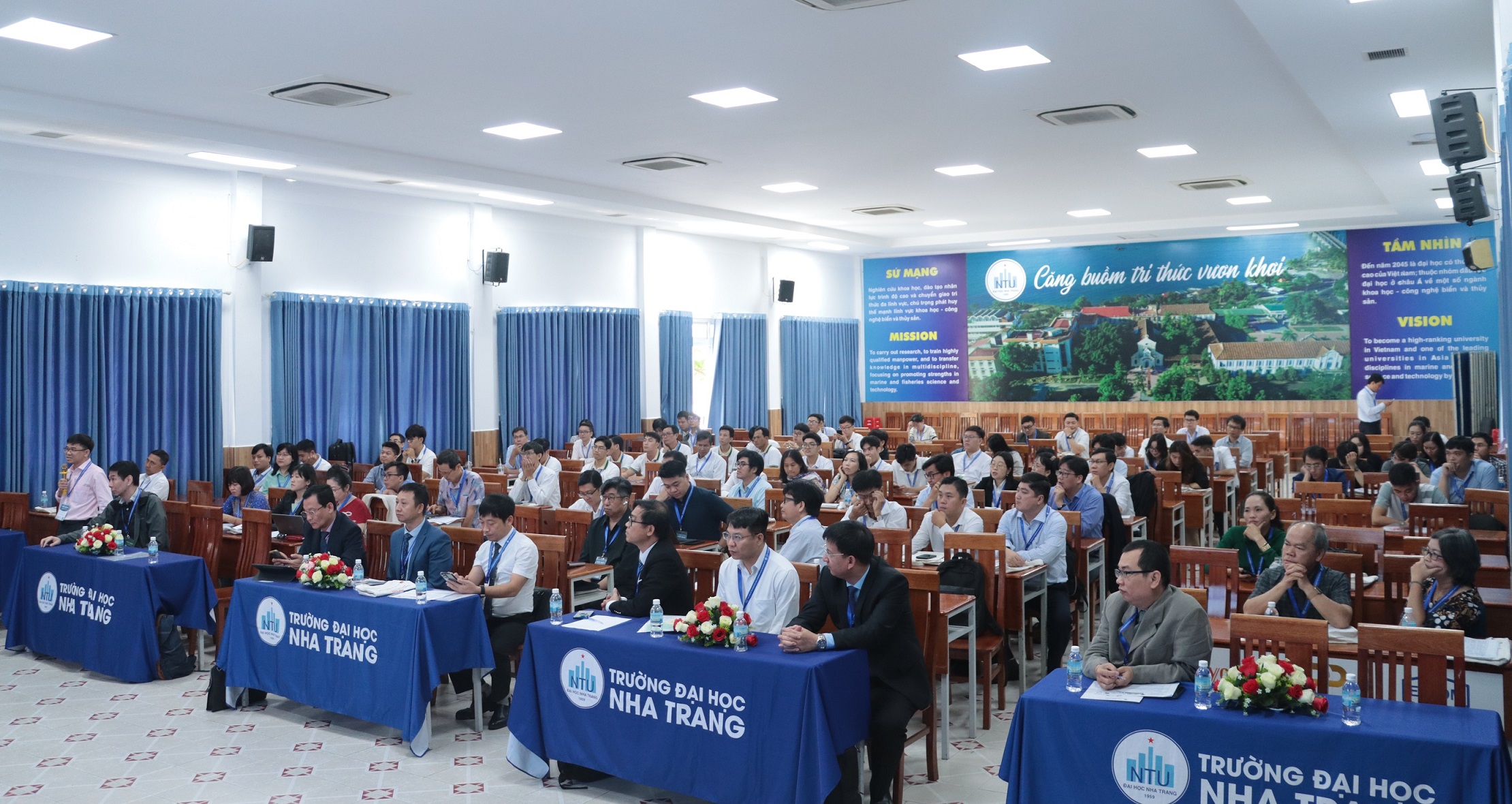
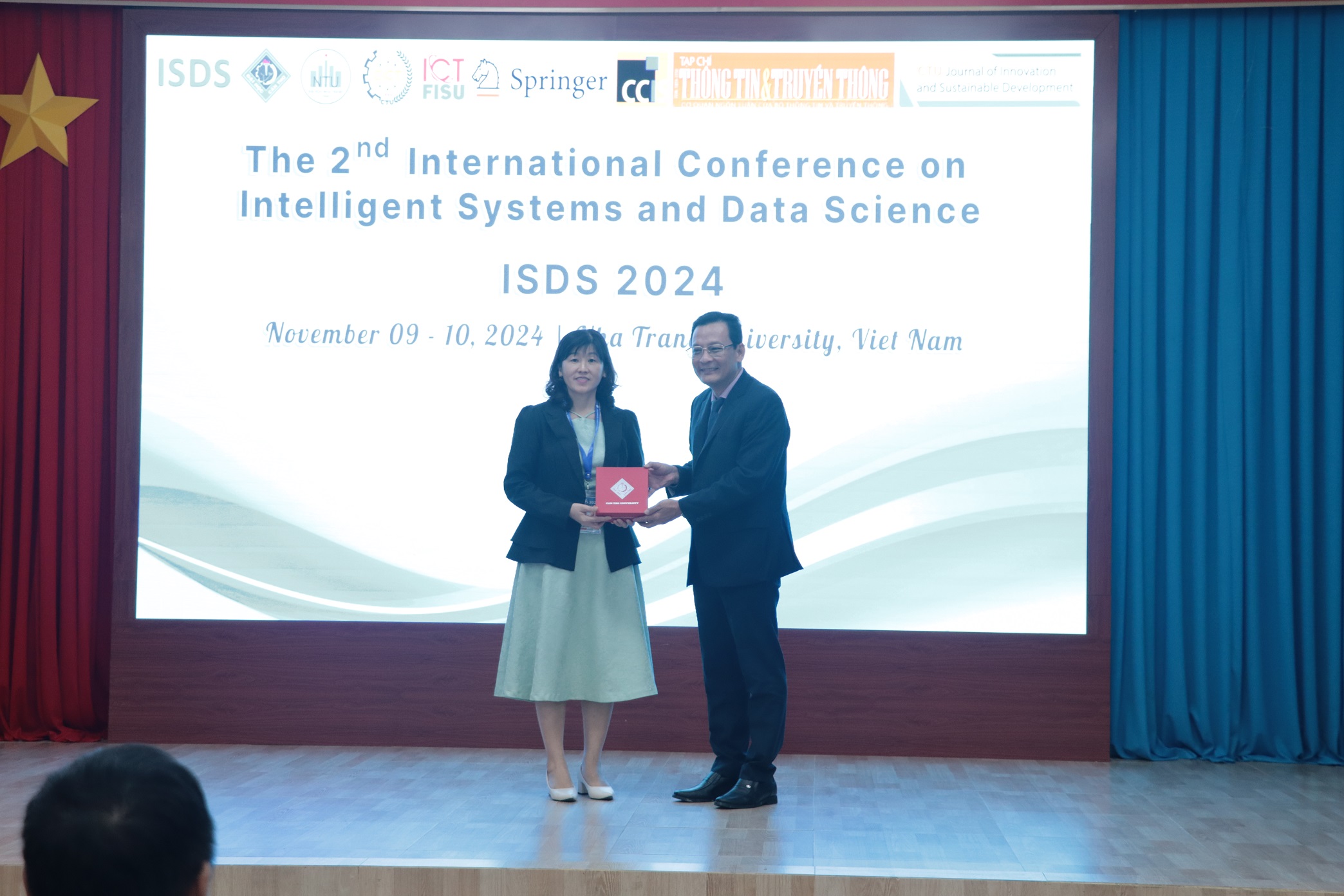
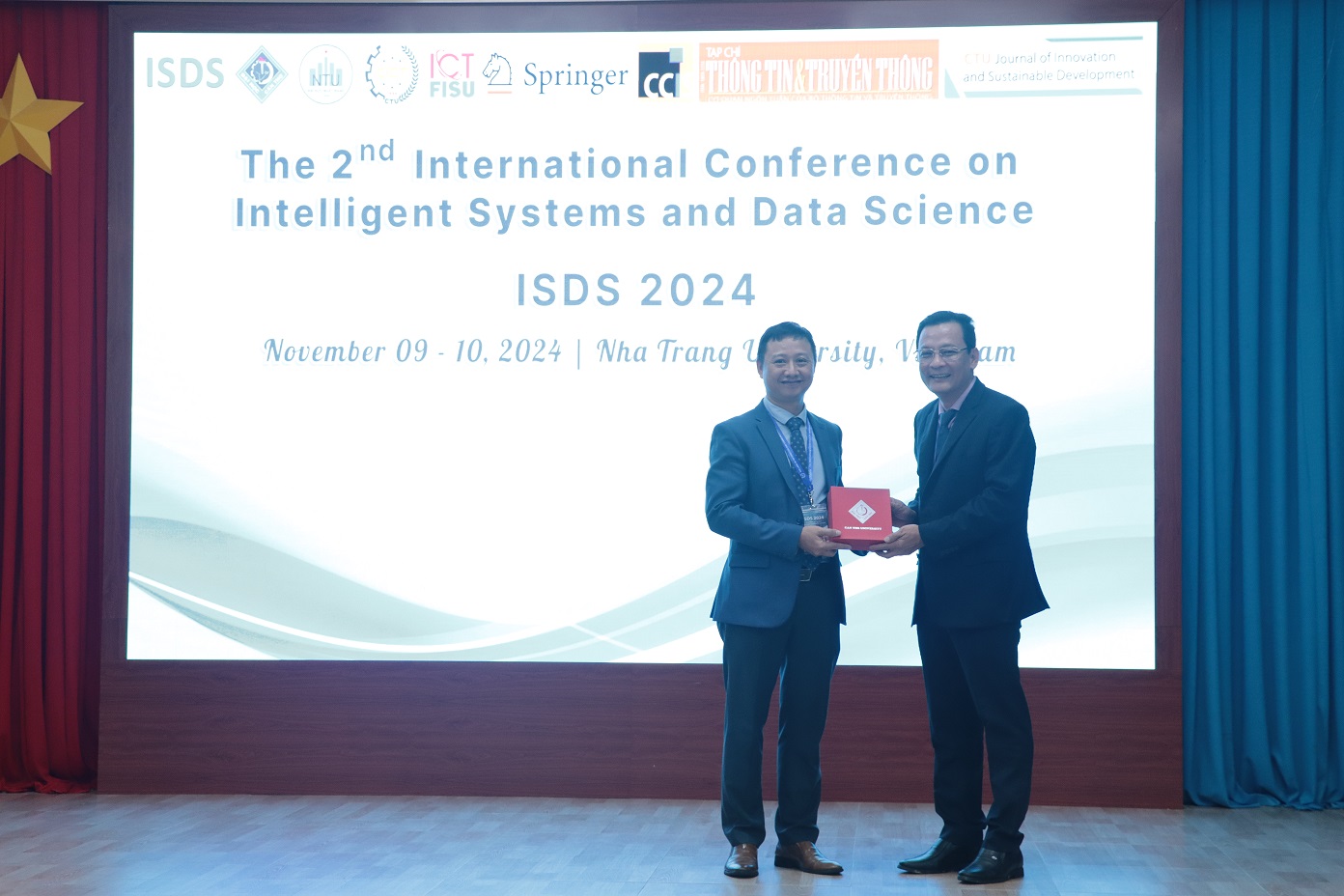
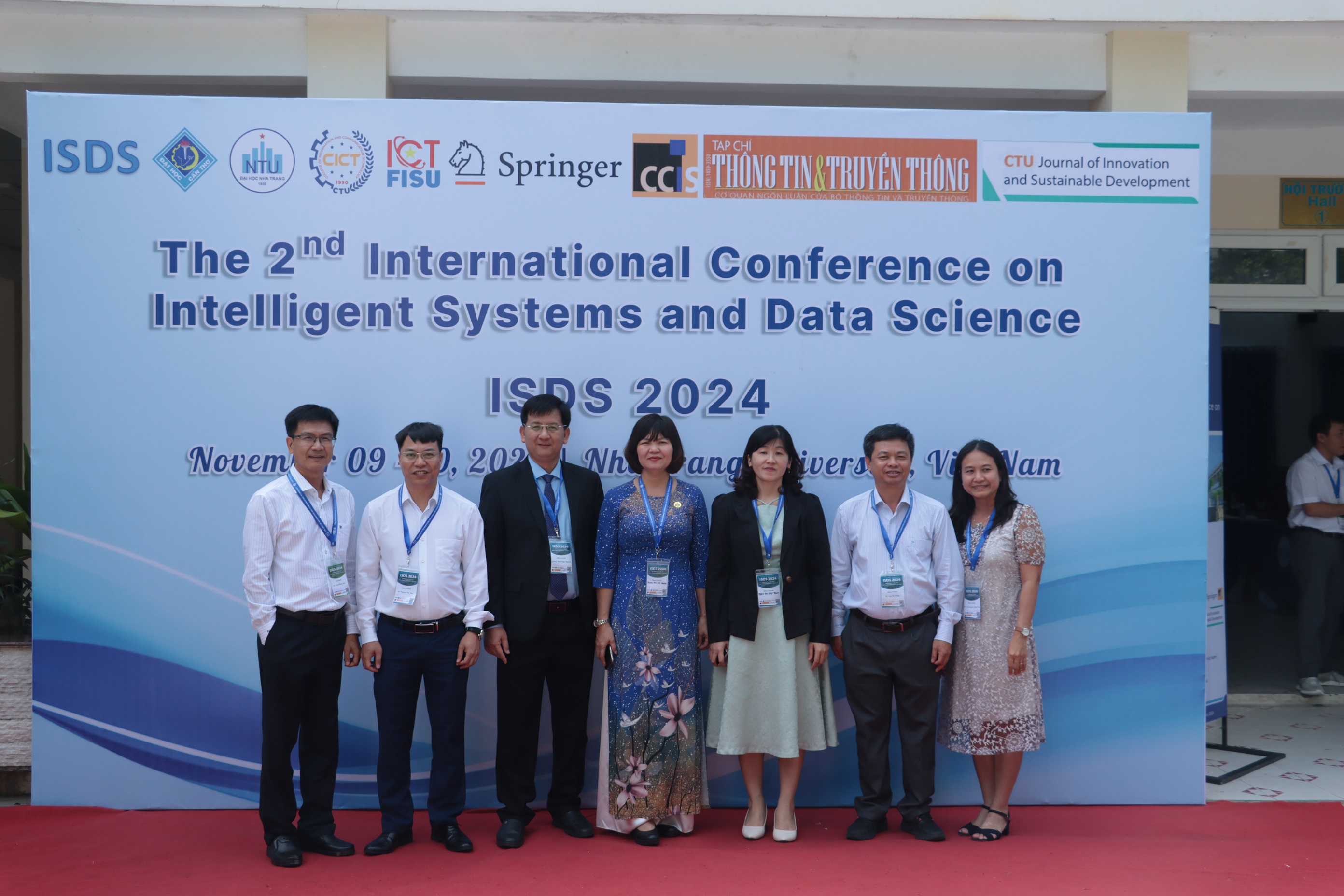
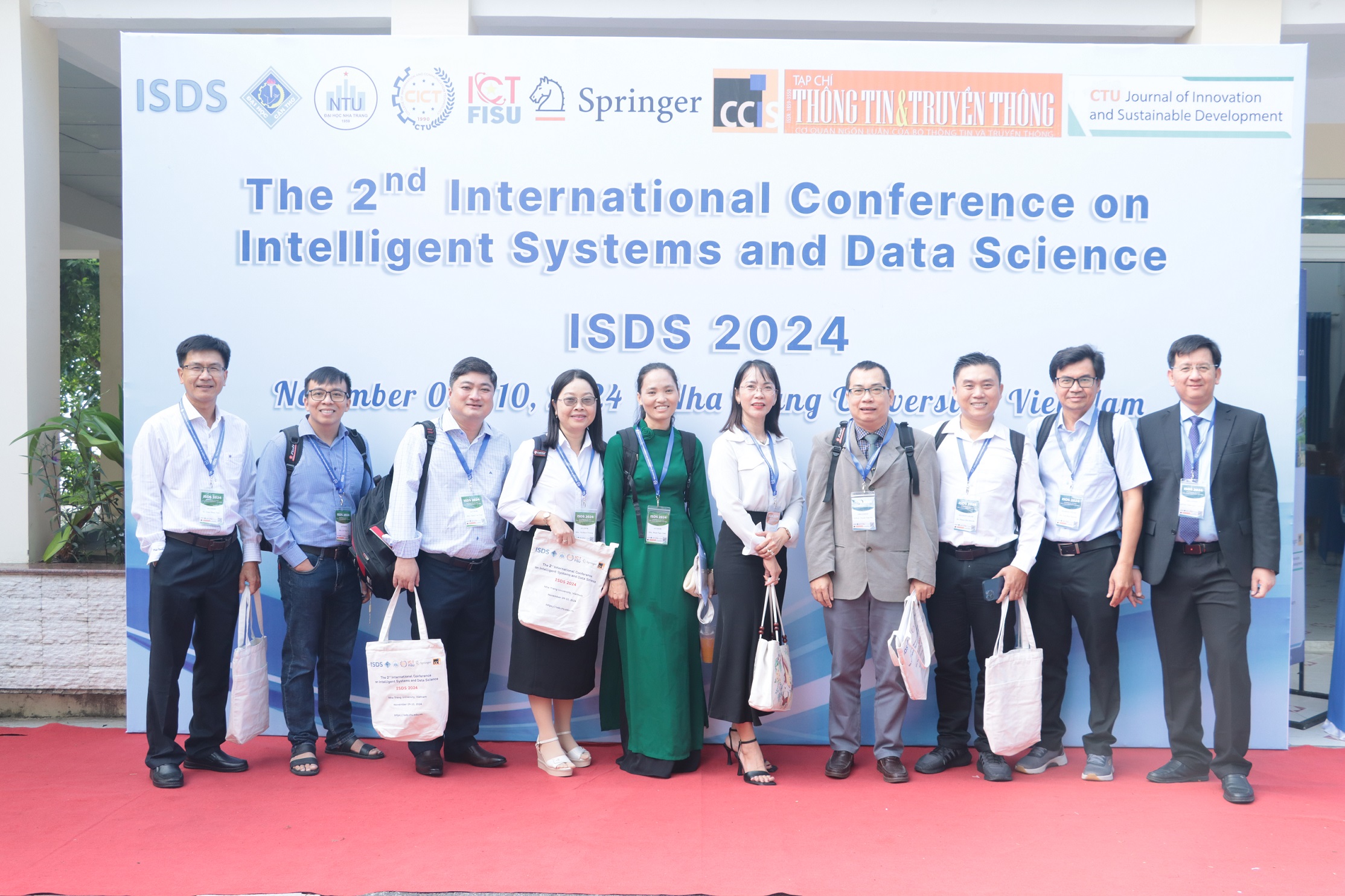
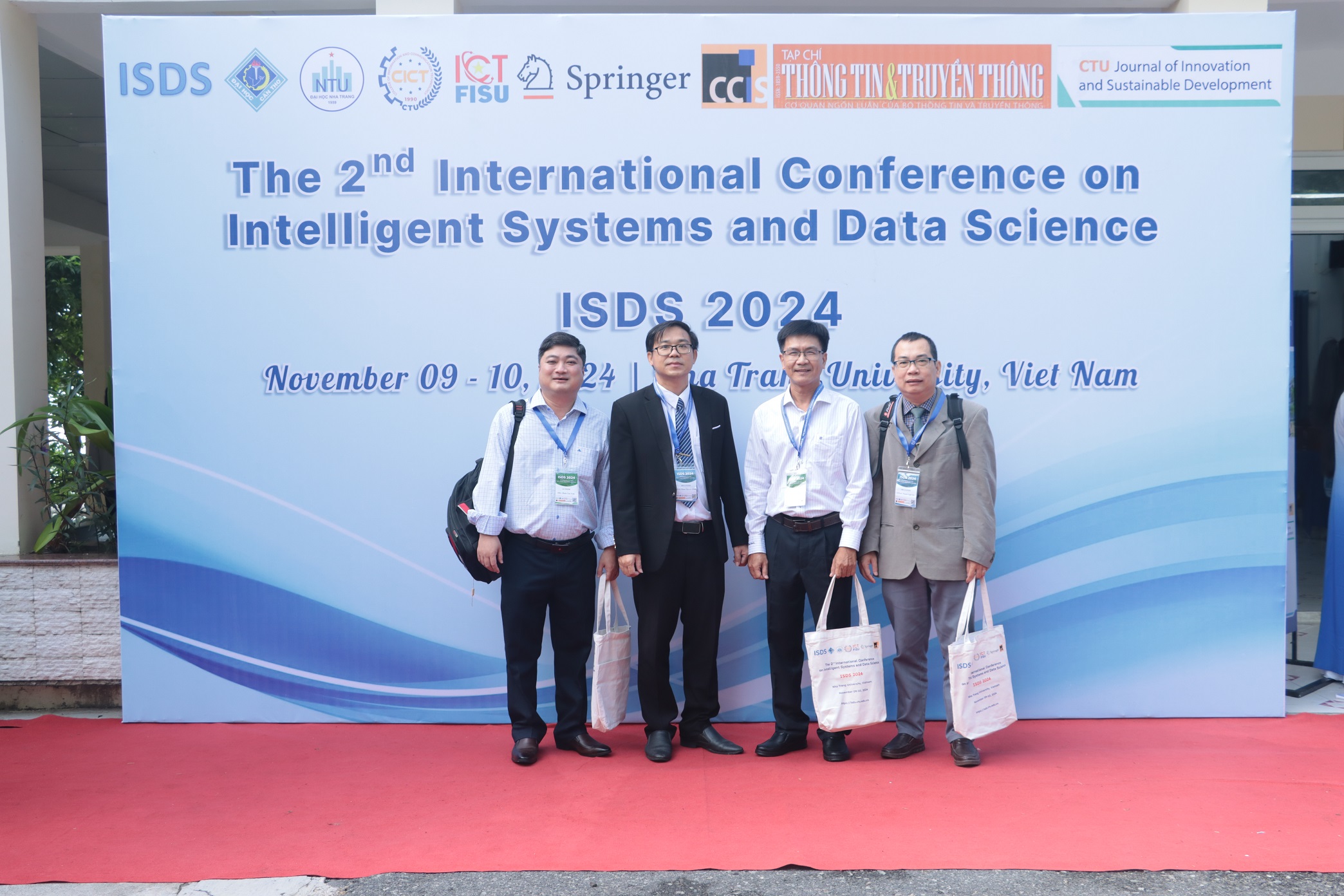
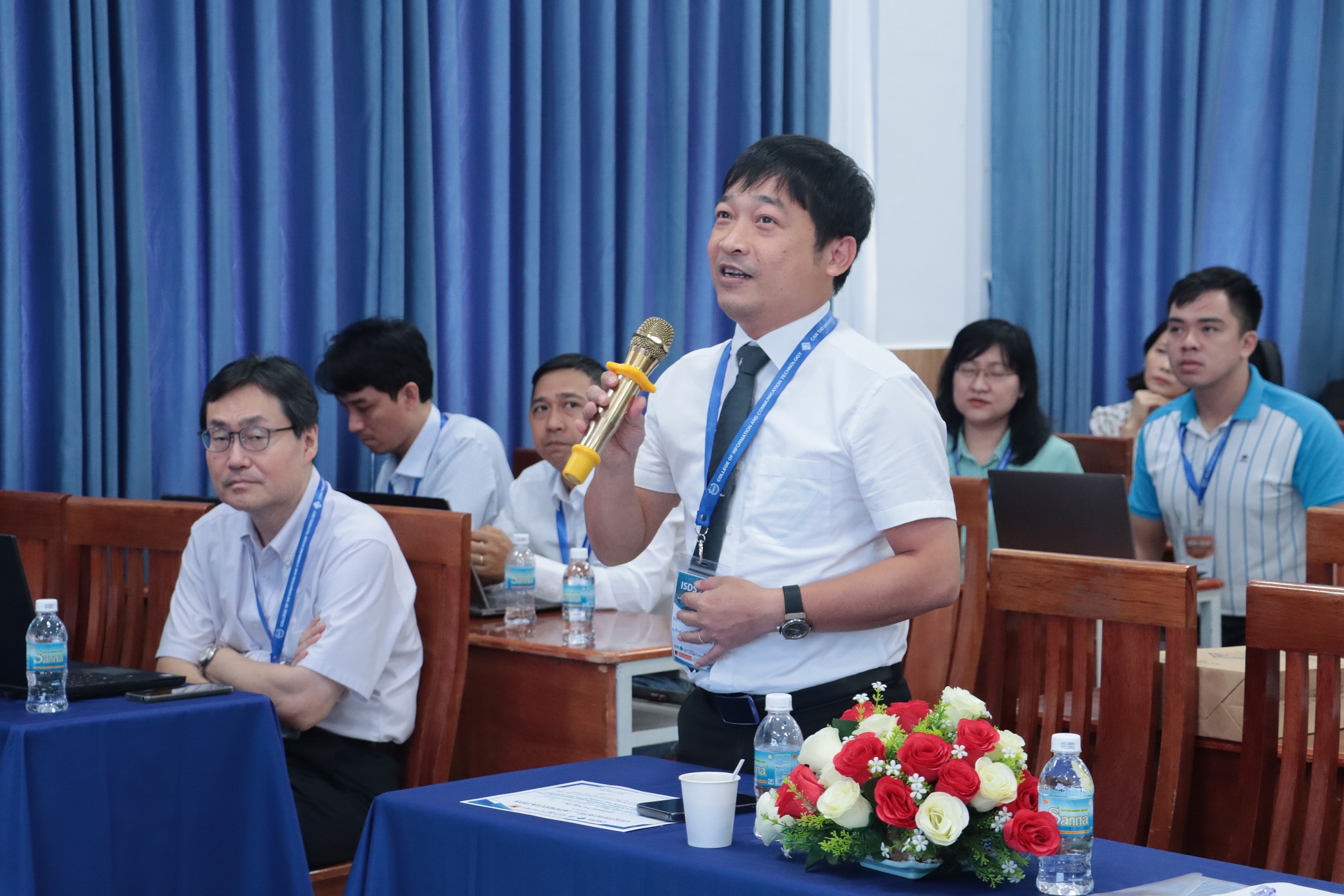
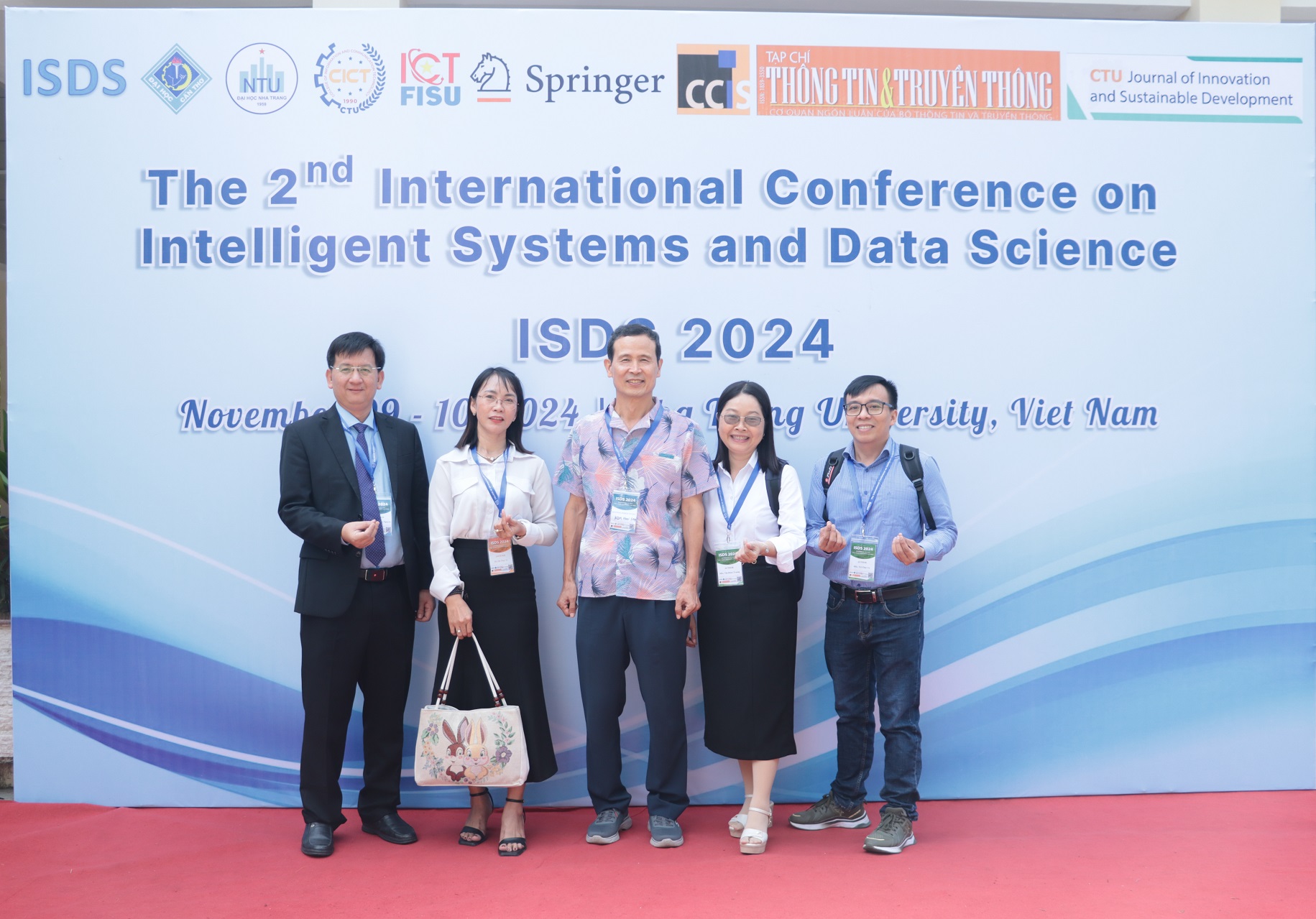
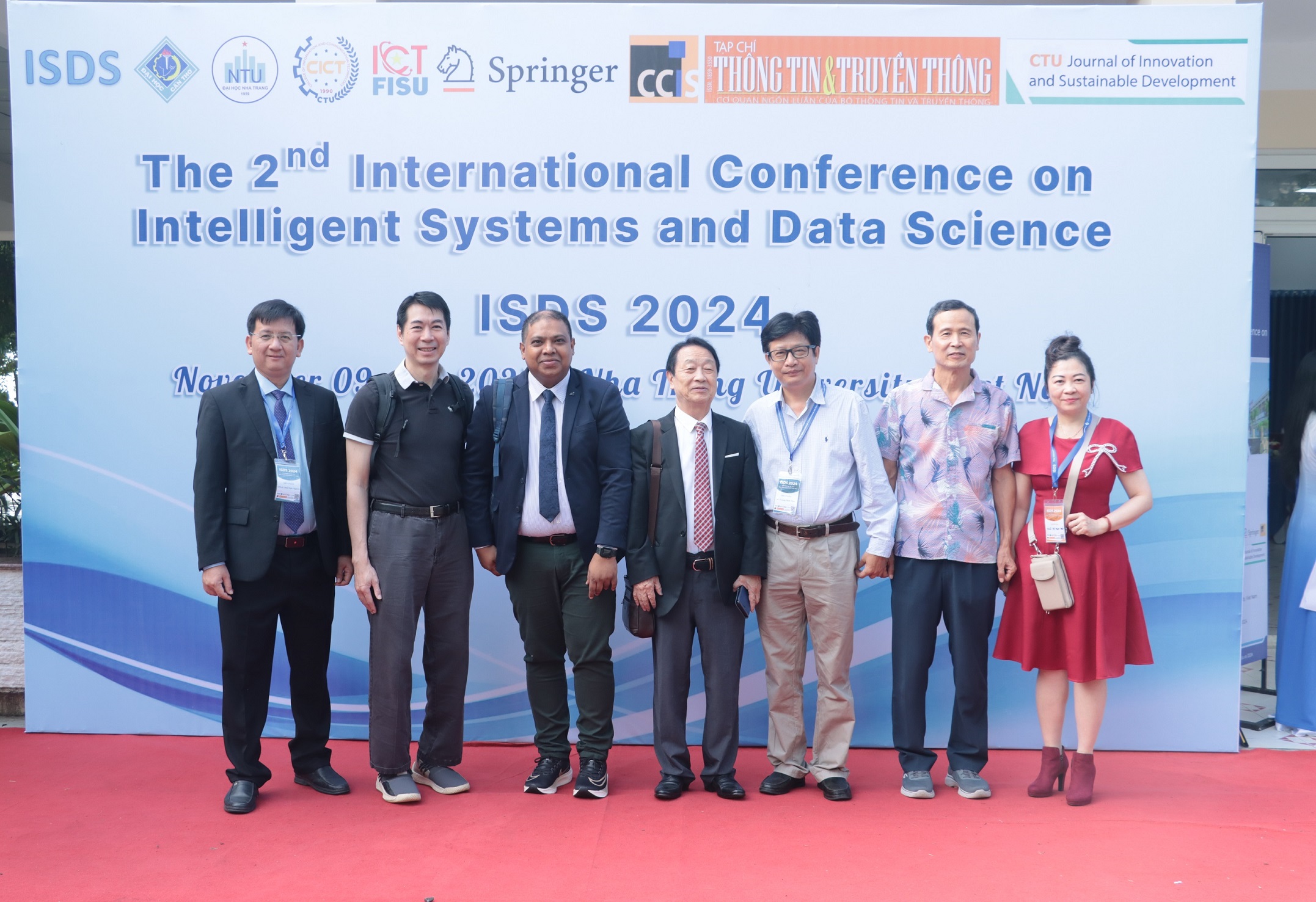
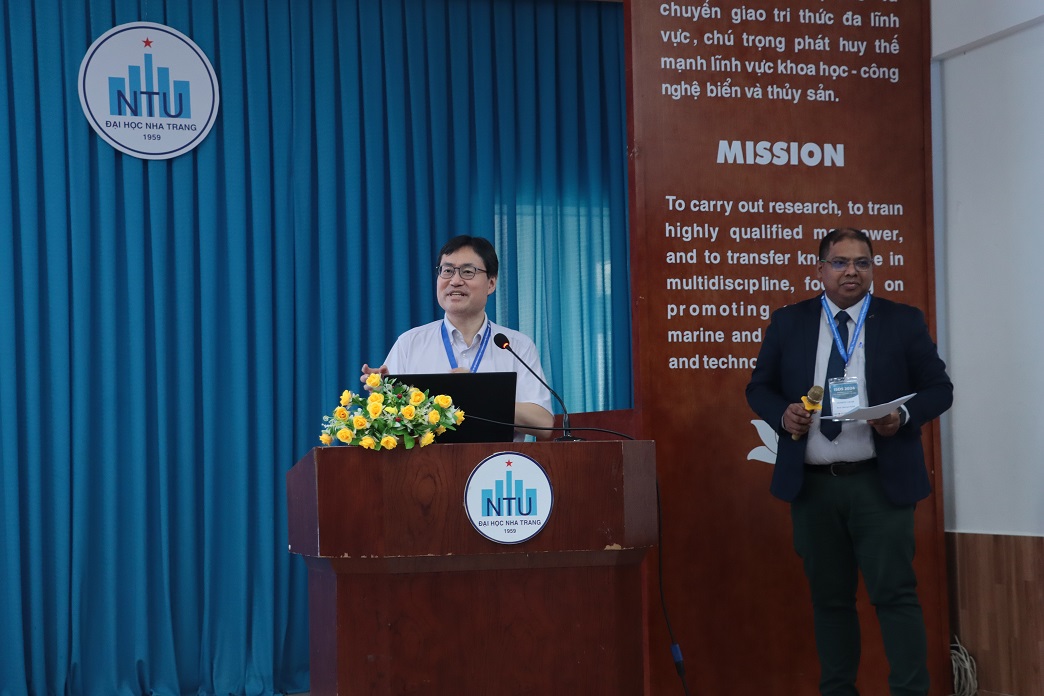
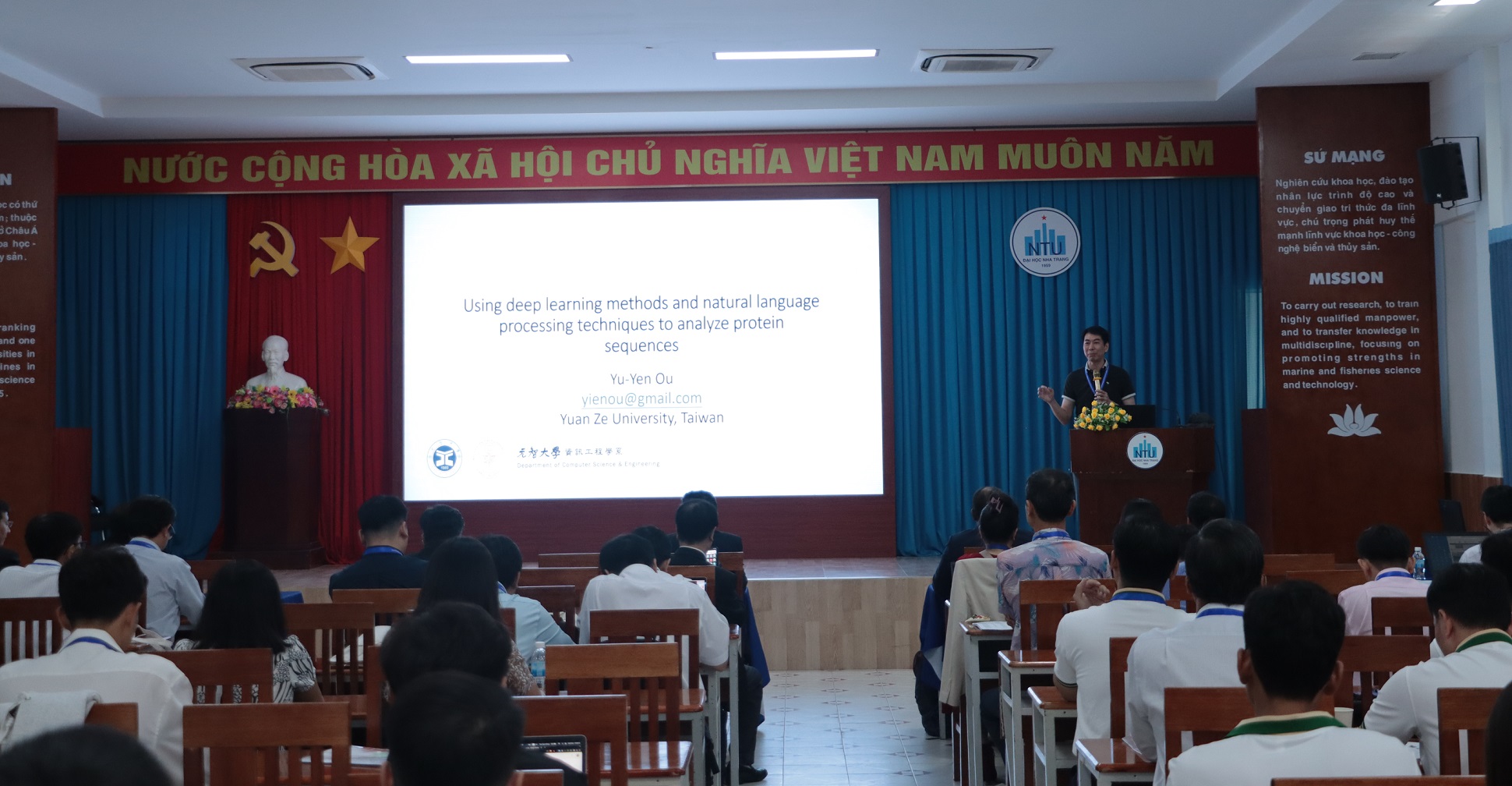
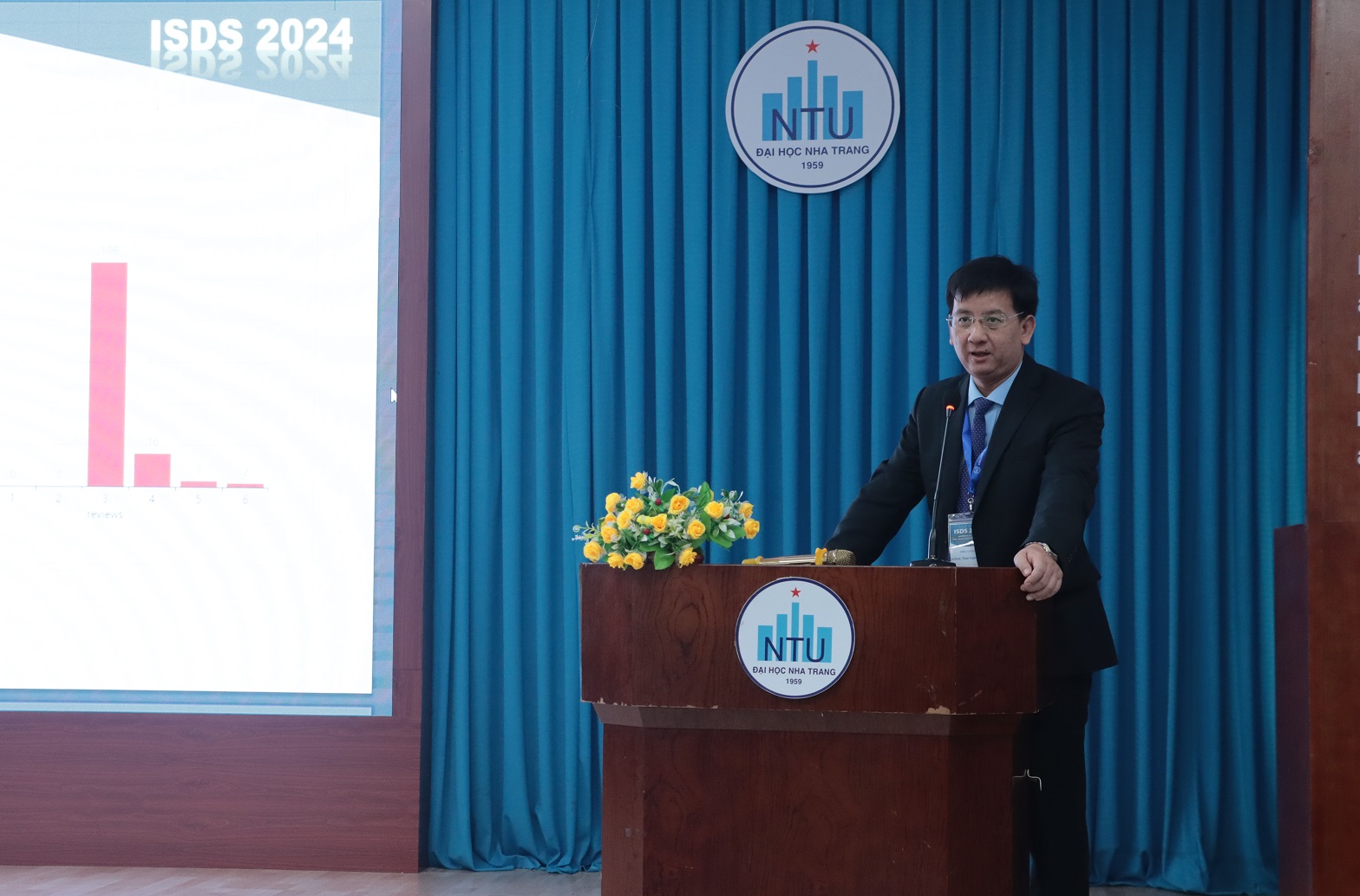
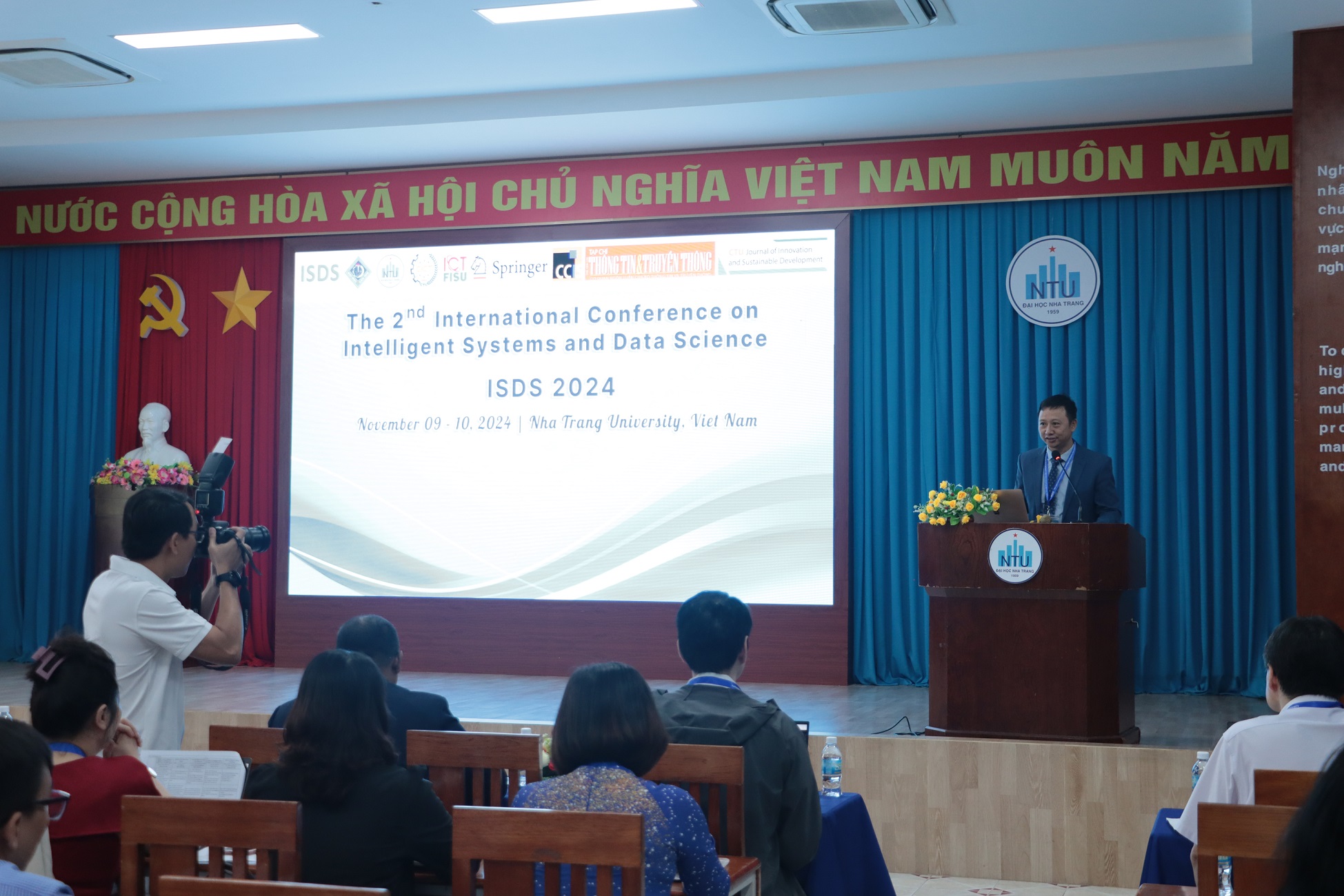
- ISDS 2024 photo
















Sponsors